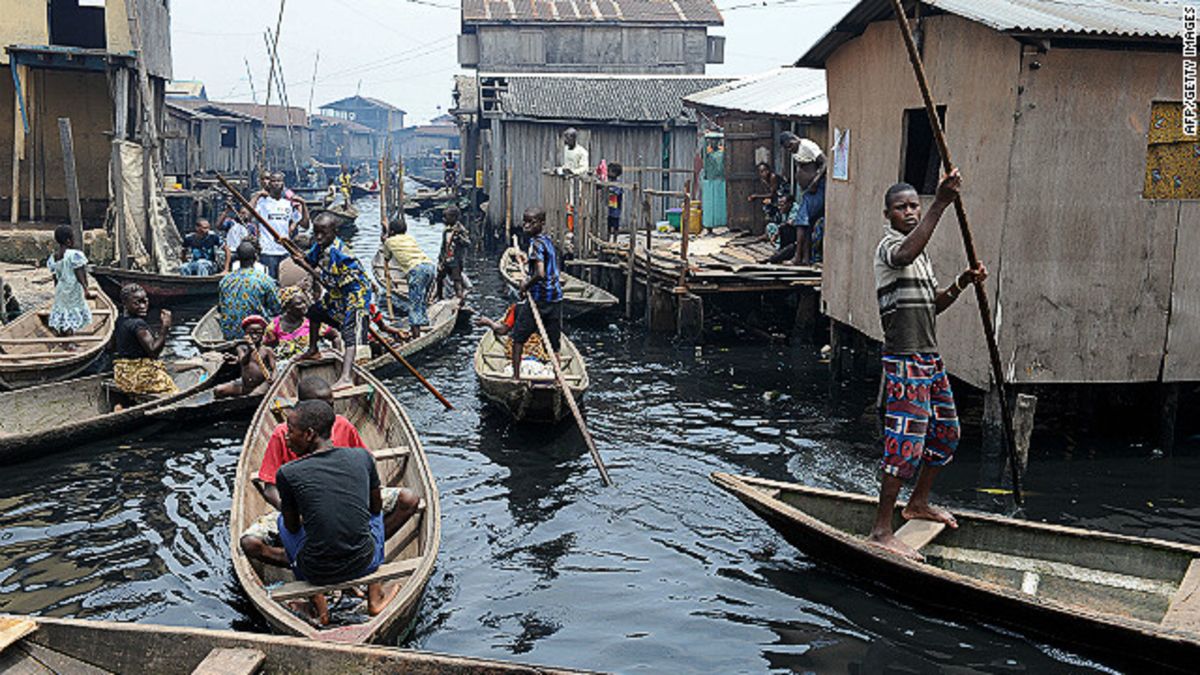
The Lagos State Government has once again justified the demolition exercise in Makoko, stating that the action is part of a comprehensive statewide safety and environmental strategy designed to avert disasters associated with unsafe human settlements, frequent fire outbreaks, and developments located within high-risk infrastructure zones.
The explanation was given by the Special Adviser to the Governor on eGIS and Urban Development, Olajide Babatunde, during a press briefing held at Alausa, Ikeja.
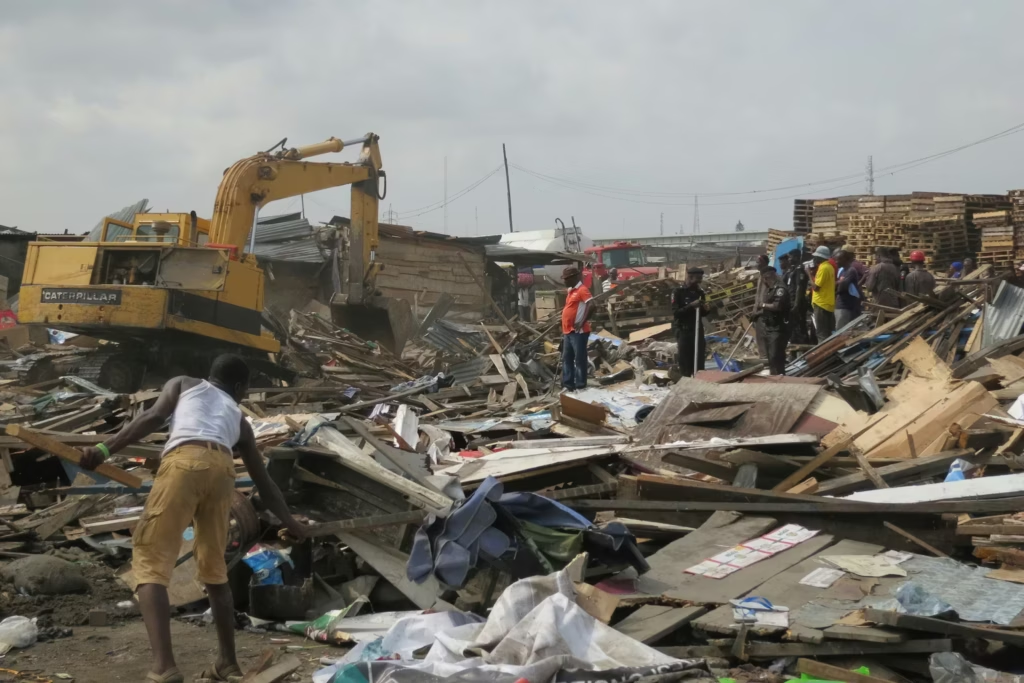
Babatunde explained that the intervention in Makoko was largely motivated by the need to safeguard lives, particularly in communities situated directly beneath high-tension power lines.
He noted that similar clearance operations have been carried out across different parts of Lagos after fatal incidents involving fallen electricity cables, emphasising that Makoko was not uniquely targeted.
“Clearing of high-tension corridors is a safety requirement across Lagos State. The action taken in Makoko is consistent with what has been done in other communities,” he said.
According to the Special Adviser, the state government had previously examined several redevelopment proposals for Makoko, including a shoreline extension initiative.
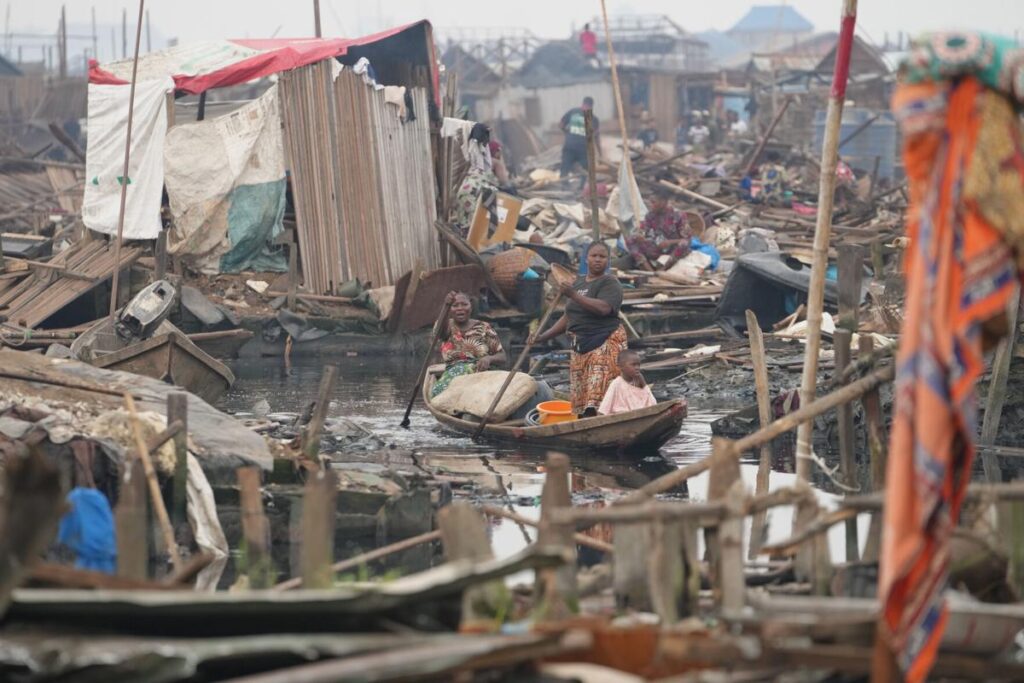
However, the project was shelved after environmental impact assessments conducted by technical experts, construction companies, and international partners revealed that it could cause serious ecological damage to the lagoon and surrounding aquatic ecosystem.
He said the government subsequently adopted the Water Cities Project as a more viable and sustainable option, one that allows the fishing community to remain in place while addressing long-standing challenges related to sanitation, infrastructure development, and environmental protection.
Babatunde revealed that the Lagos State Government has committed $2 million to the project and is actively engaging international development partners to secure additional funding and technical assistance.
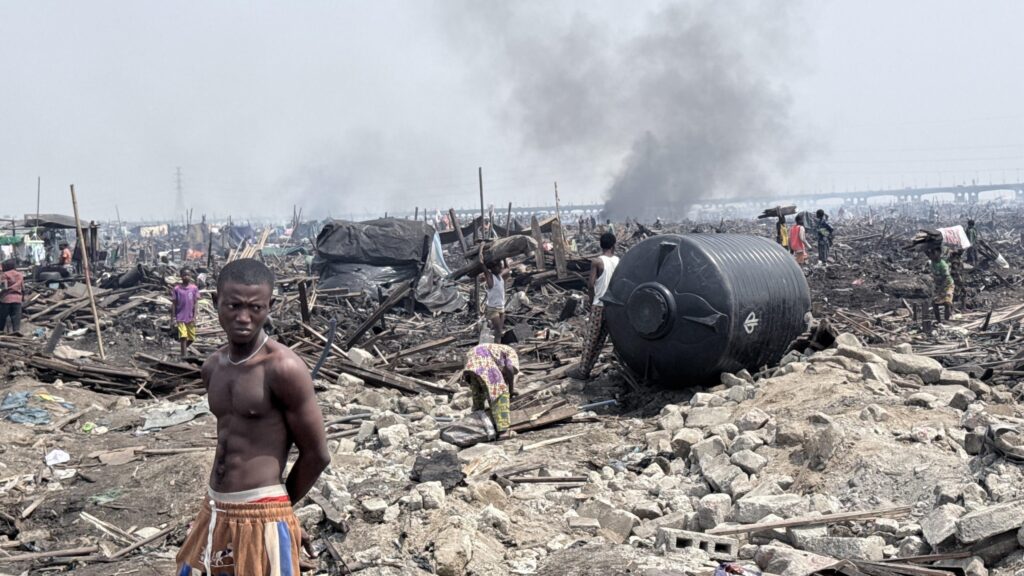
He further outlined the state’s broader urban regeneration framework, which places strong emphasis on stakeholder consultation, compensation, and resettlement in cases where relocation becomes unavoidable.
The Special Adviser referenced earlier regeneration efforts in Okobaba, Adeniji-Adele and Dosunmu, noting that those projects were successfully executed through dialogue and negotiated agreements with affected residents and traders.
He also pointed to recurring fire outbreaks, structural collapses, and limited access routes for emergency responders in densely populated communities as major factors driving the enforcement of building regulations, minimum setbacks, and land pooling policies within regeneration zones.
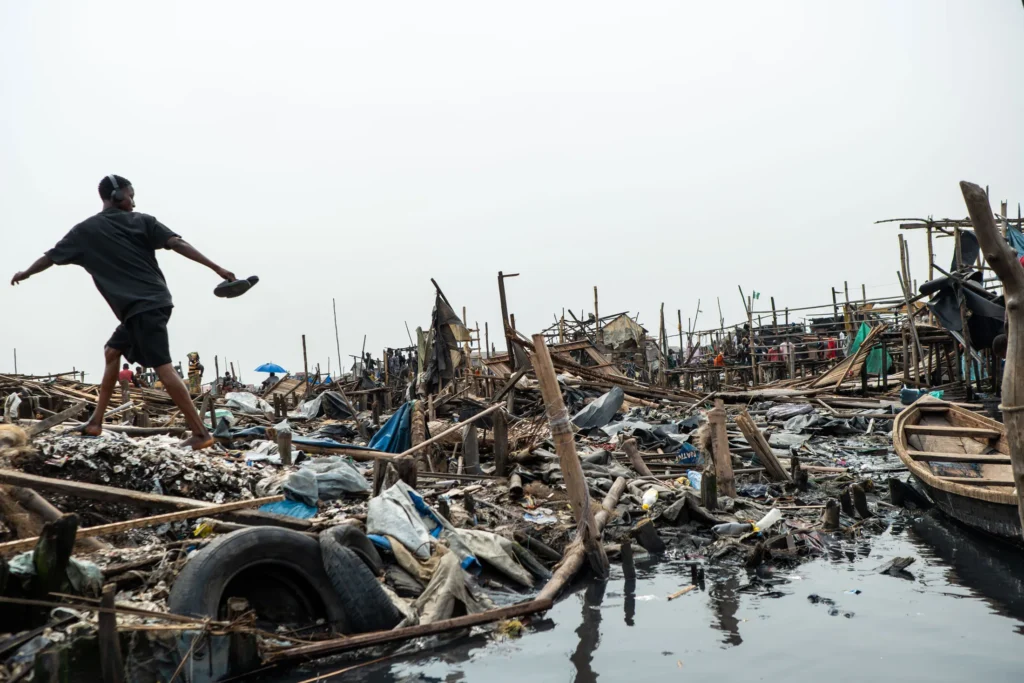
Babatunde added that Lagos State is working to align its urban development agenda with global standards and conventions that uphold the right to safe and adequate housing, stressing that substandard living conditions ultimately expose residents to greater danger.
What you should know
The Makoko demolition has sparked public debate due to the community’s unique status as a waterfront settlement and fishing hub.
Lagos State insists the action is rooted in public safety, particularly the risks posed by buildings erected under high-tension power lines and in fire-prone environments. The government maintains that Makoko remains part of its long-term urban regeneration plans through the Water Cities Project, which seeks to balance human habitation with environmental sustainability.
Officials say future interventions will continue to prioritise consultation, safety standards, and alignment with international housing and environmental guidelines.