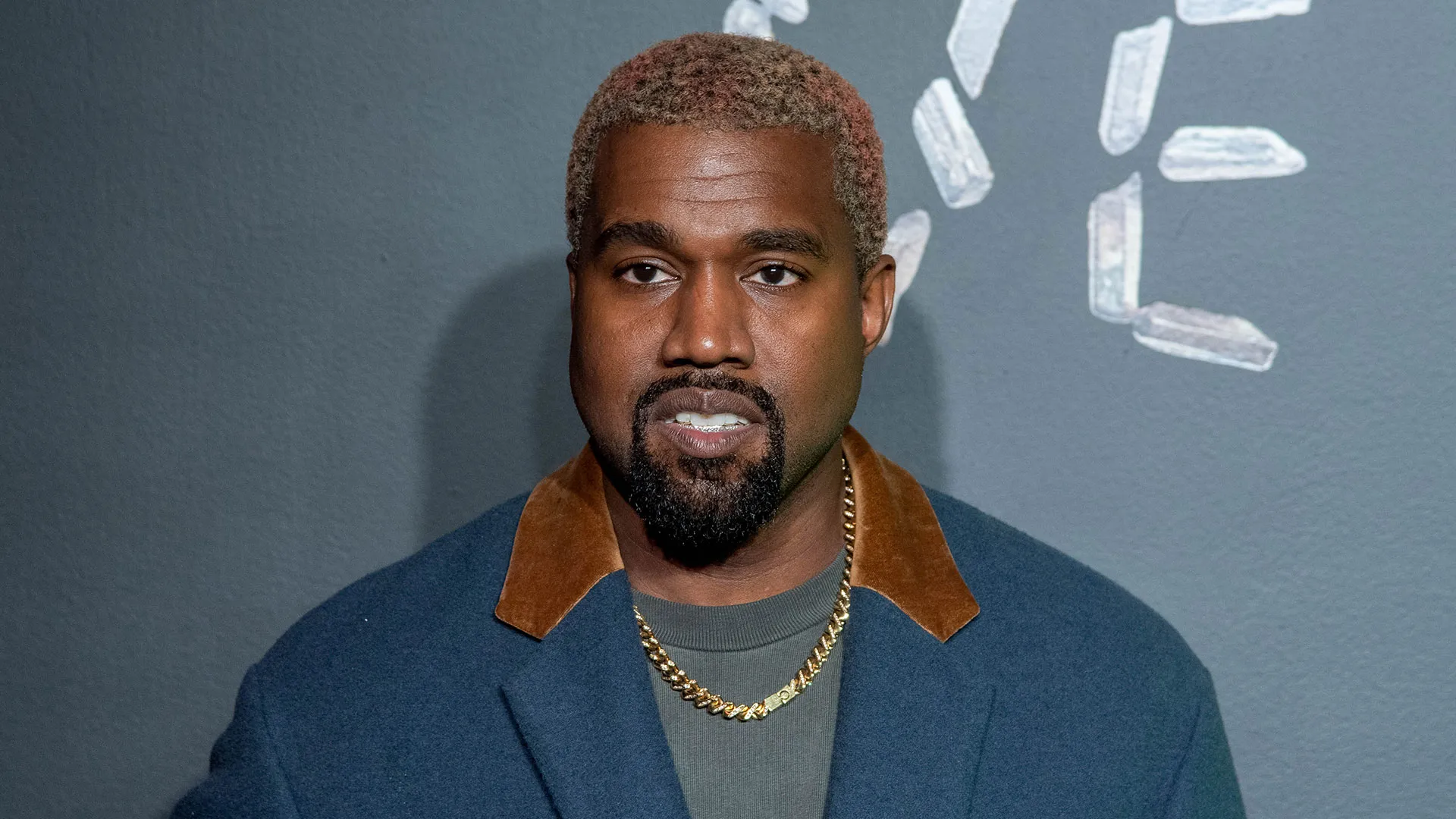
In a striking turn of events, Kanye West has once again attempted to make amends for his widely condemned anti-Semitic statements, this time linking his behavior to a previously undiagnosed brain injury stemming from a near-fatal car accident.
The 47-year-old rapper and fashion designer published a full-page advertisement titled “To Those I Have Hurt” in Monday’s print edition of the Wall Street Journal, marking his latest effort to address the fallout from remarks that cost him lucrative business partnerships and sparked widespread condemnation across the entertainment industry and beyond.
According to the Daily Mail, the advertisement was paid for by Yeezy, West’s apparel company, and signed personally by the artist formerly known as Ye. In the statement, West revealed what he describes as a critical medical oversight that he claims contributed to his controversial public behavior.
“25 years ago, I was in a car accident that broke my jaw and caused injury to the right frontal lobe of my brain,” West wrote in the advertisement. “No comprehensive scans were done, as at the time, neurological exams were limited. The possibility of frontal-lobe injury was never raised. It was properly diagnosed in 2023.”
The Grammy-winning artist went on to connect this alleged brain injury to his subsequent mental health struggles. “That medical oversight caused serious damage to my mental health, leading to my bipolar type-1 diagnosis,” he stated.
The car accident West references occurred in October 2002, when he fell asleep at the wheel while driving home from a recording studio in Los Angeles. The crash left him with a shattered jaw that required reconstruction—an experience he chronicled in his breakthrough hit “Through the Wire,” which he famously recorded with his jaw wired shut.
However, this latest apology arrives amid considerable skepticism. The timing is particularly notable, coming nearly three years after Jewish advocacy organization StopAntisemitism publicly rejected West’s previous attempt at reconciliation. The group had dismissed that earlier apology as insufficient and lacking genuine accountability for the harm caused by his statements.
West’s anti-Semitic remarks, made across multiple platforms in 2022, triggered a swift and severe backlash. Major corporate partners, including Adidas, Gap, and Balenciaga, severed ties with the artist, resulting in an estimated loss of hundreds of millions of dollars in business deals. His social media accounts were restricted, and he faced widespread condemnation from fellow celebrities, Jewish organizations, and civil rights groups.
The frontal lobe, which West now claims was injured, plays a crucial role in impulse control, judgment, and social behavior. Damage to this region can indeed affect personality and decision-making abilities. However, medical experts caution that brain injury alone does not excuse harmful behavior, particularly when that behavior involves targeted prejudice and hate speech.
As of now, major Jewish advocacy groups have not publicly responded to West’s latest apology. The question remains whether this explanation—and the public forum in which it was delivered—will be sufficient to repair the significant damage to his reputation and relationships within both the entertainment industry and the broader public sphere.
For West, who has built a career on provocative statements and boundary-pushing artistry, this may represent his most consequential attempt yet at public redemption. Whether the apology will be accepted or once again rejected remains to be seen.
WHAT YOU SHOULD KNOW
Kanye West has issued another public apology for his anti-Semitic remarks, this time claiming they resulted from an undiagnosed brain injury from his 2002 car accident that wasn’t properly identified until 2023. He paid for a full-page ad in the Wall Street Journal linking the frontal lobe damage to his bipolar diagnosis and erratic behavior.
However, this marks his second apology attempt—the first was rejected by Jewish advocacy groups in 2022—and it remains uncertain whether attributing his harmful statements to a medical condition will be sufficient for public forgiveness, especially given that his anti-Semitic comments cost him hundreds of millions in lost business partnerships and severely damaged his reputation.