In an extraordinary development that has sent shockwaves through financial markets and Washington’s political establishment, the U.S. Justice Department has launched a criminal investigation into Federal Reserve Chairman Jerome Powell, the nation’s most powerful economic policymaker, as disclosed on Sunday.
The probe, which Powell characterized as “unprecedented” in the 111-year history of the Federal Reserve, centers on testimony he provided to a Senate committee about renovations to Federal Reserve buildings. But the Fed chair made clear he believes the investigation represents something far more consequential: a direct assault on the central bank’s independence and its ability to set monetary policy free from political interference.
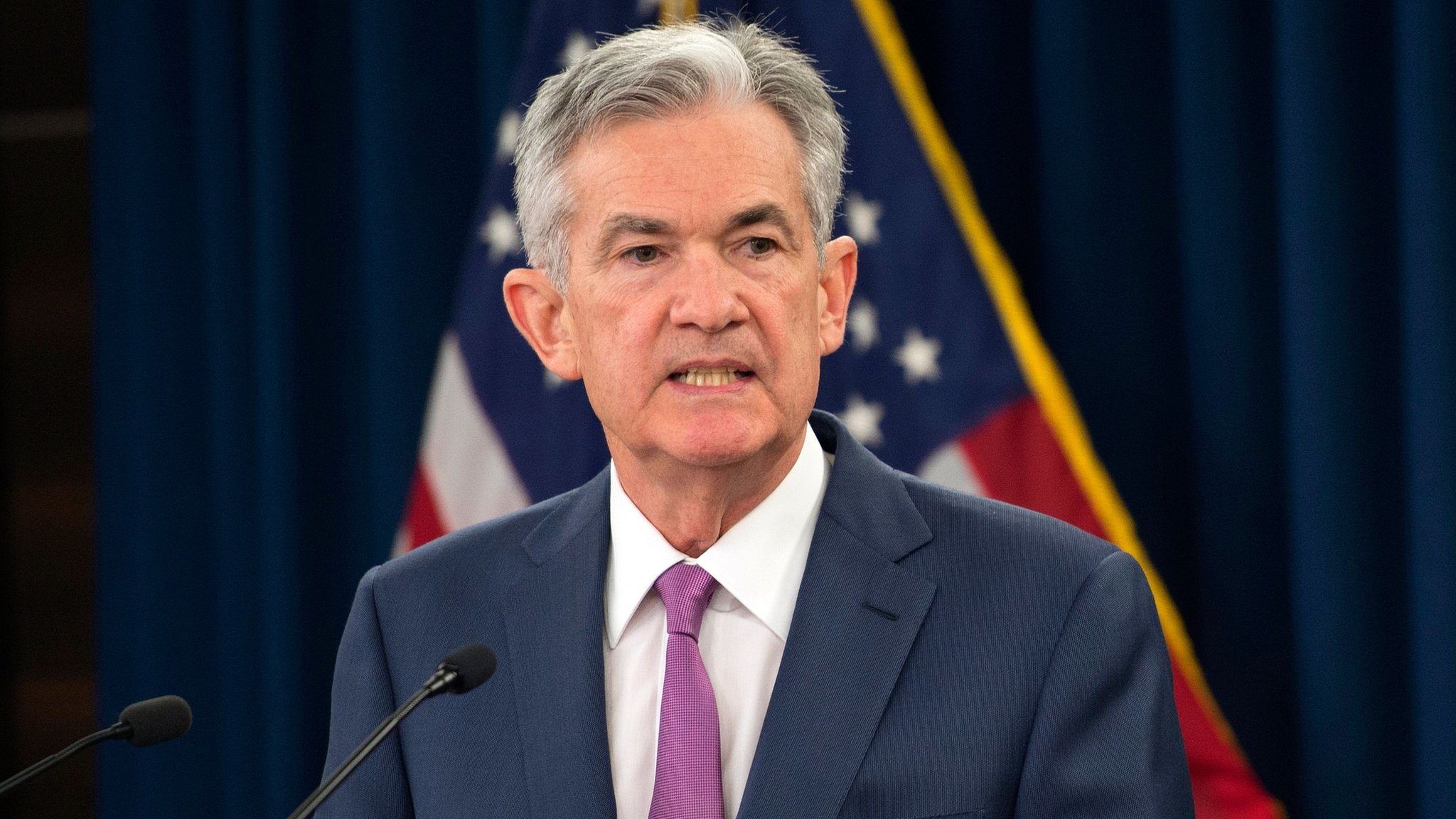
“This is about whether the Federal Reserve will be able to continue setting interest rates based on evidence and economic conditions, or whether monetary policy will be directed by political pressure or intimidation,” Powell said in a statement that laid bare the constitutional crisis now brewing at the intersection of America’s executive and monetary authorities.
According to Powell’s disclosure, federal prosecutors have served subpoenas to the Federal Reserve and indicated that criminal charges related to his congressional testimony are under consideration. The New York Times reported that the investigation is being overseen by the U.S. Attorney’s Office for the District of Columbia, though the Justice Department has declined to publicly confirm the probe’s existence.
The investigation represents a dramatic escalation in what has been one of the most contentious relationships between a president and Fed chair in modern American history. President Donald Trump appointed Powell to lead the central bank in 2017, but that decision has become a source of persistent regret for the president, who has spent years publicly excoriating his own nominee over interest rate policy.
The tension reached a fever pitch as Trump pushed relentlessly for more aggressive rate cuts to stimulate economic growth and reduce borrowing costs for consumers and businesses. While the Fed did cut rates three times in the second half of 2025, Trump has dismissed these reductions as inadequate and repeatedly blamed the central bank for keeping consumer costs elevated.
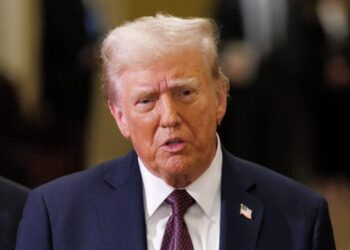
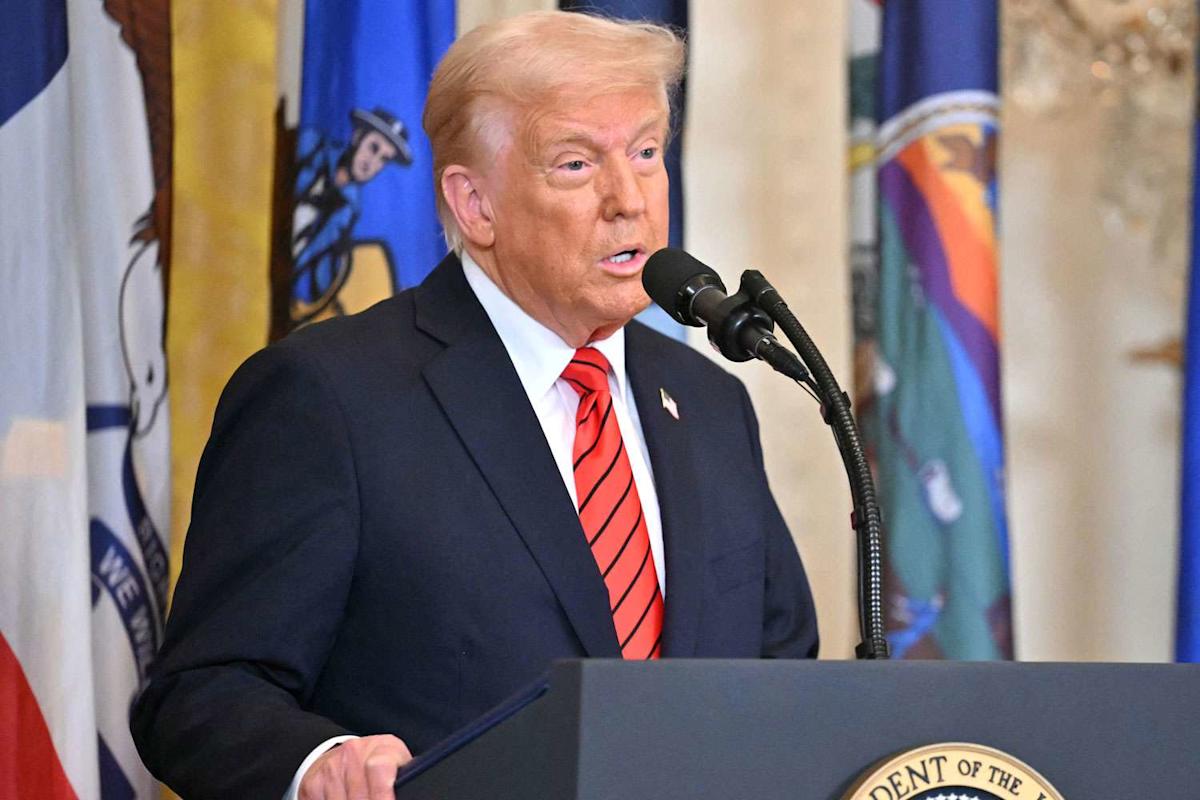
When asked about the Justice Department investigation on Sunday, Trump said he was unaware of the probe but seized the opportunity to renew his criticism of Powell’s stewardship. “He’s certainly not very good at the Fed, and he’s not very good at building buildings,” the president said, in remarks that seemed calculated to undermine Powell’s credibility on multiple fronts.
The investigation has triggered bipartisan warnings about the erosion of the Federal Reserve’s independence—a principle that has been considered sacrosanct in American economic governance since the modern Fed was established. Central bank independence is widely viewed by economists as essential to maintaining price stability and preventing monetary policy from becoming a tool of short-term political expediency.
Republican Senator Thom Tillis of North Carolina broke with his party to denounce the probe, announcing he would oppose any Trump nominee to the Federal Reserve Board until the legal matter is resolved. “If there were any remaining doubt that advisers within the Trump administration are pushing to end the independence of the Federal Reserve, there should now be none,” Tillis declared in a statement that underscored the gravity lawmakers are attaching to the situation.
Democratic Senator Elizabeth Warren was more blunt in her assessment, accusing Trump of orchestrating the investigation to force Powell’s removal and install a loyalist in his place. “This committee should not move forward with any Trump nominee for the Fed,” Warren said, drawing a line in the sand against what she characterized as an attempt to politicize the central bank.
The Justice Department’s move is without precedent in the Federal Reserve’s history. Never before has a sitting Fed chair faced criminal investigation, raising fundamental questions about the separation between the executive branch’s law enforcement apparatus and the independent monetary authority.
Powell’s suggestion that the probe is politically motivated gains credence from the context of Trump’s previous attempts to use criminal investigations against perceived political adversaries. Courts dismissed criminal cases brought during Trump’s presidency against former FBI Director James Comey and New York Attorney General Letitia James as lacking legal merit, leading critics to view those prosecutions as politically driven harassment rather than legitimate law enforcement.
The choice to focus the investigation on testimony about Fed building renovations—seemingly mundane administrative matters far removed from Powell’s core responsibilities for monetary policy—has struck many observers as particularly suspect. Legal experts question what criminal statute Powell could plausibly have violated in discussing construction projects before Congress.
Beyond the constitutional implications, the investigation poses immediate practical challenges for the Federal Reserve’s ability to conduct monetary policy. Financial markets depend on predictability and credibility from the central bank, and the specter of criminal prosecution hanging over the Fed chair threatens to undermine both.
The Fed is currently navigating a complex economic environment, balancing concerns about inflation against the need to support economic growth. Any perception that interest rate decisions are being influenced by the chairman’s legal jeopardy—or conversely, that the legal proceedings are designed to influence those decisions—could destabilize markets and complicate the central bank’s mission.
Moreover, the investigation creates enormous uncertainty about the Fed’s leadership at a critical juncture. Powell’s term as chairman extends to May 2026, but the cloud of criminal investigation raises questions about his ability to serve effectively through that period and who might replace him if he were removed or resigned.
As this crisis unfolds, multiple institutions will face defining tests. The Justice Department must demonstrate that its investigation is grounded in legitimate legal concerns rather than political calculation. Congress will need to decide whether and how to protect the Fed’s independence through legislative action or oversight. And the Federal Reserve itself must continue executing its mandate even as its leader faces potential prosecution.
For Powell, the moment represents perhaps the gravest challenge to his chairmanship since he took office. He has positioned himself as the defender of institutional independence against political encroachment, framing the investigation not as a matter of personal legal jeopardy but as a threat to the constitutional order that separates monetary policy from political control.
Whether that argument will resonate—with the Justice Department, with Congress, with the courts, or with the American public—remains to be seen. What is certain is that the outcome will have profound implications for the future governance of the world’s most important central bank and for the principle of institutional independence that has long been considered fundamental to American democracy.
WHAT YOU SHOULD KNOW
The Justice Department’s criminal investigation of Fed Chair Jerome Powell represents an unprecedented attack on central bank independence. What appears to be a probe into minor testimony about building renovations is widely seen as political retaliation for Powell’s refusal to cut interest rates as aggressively as President Trump demanded.