Summary
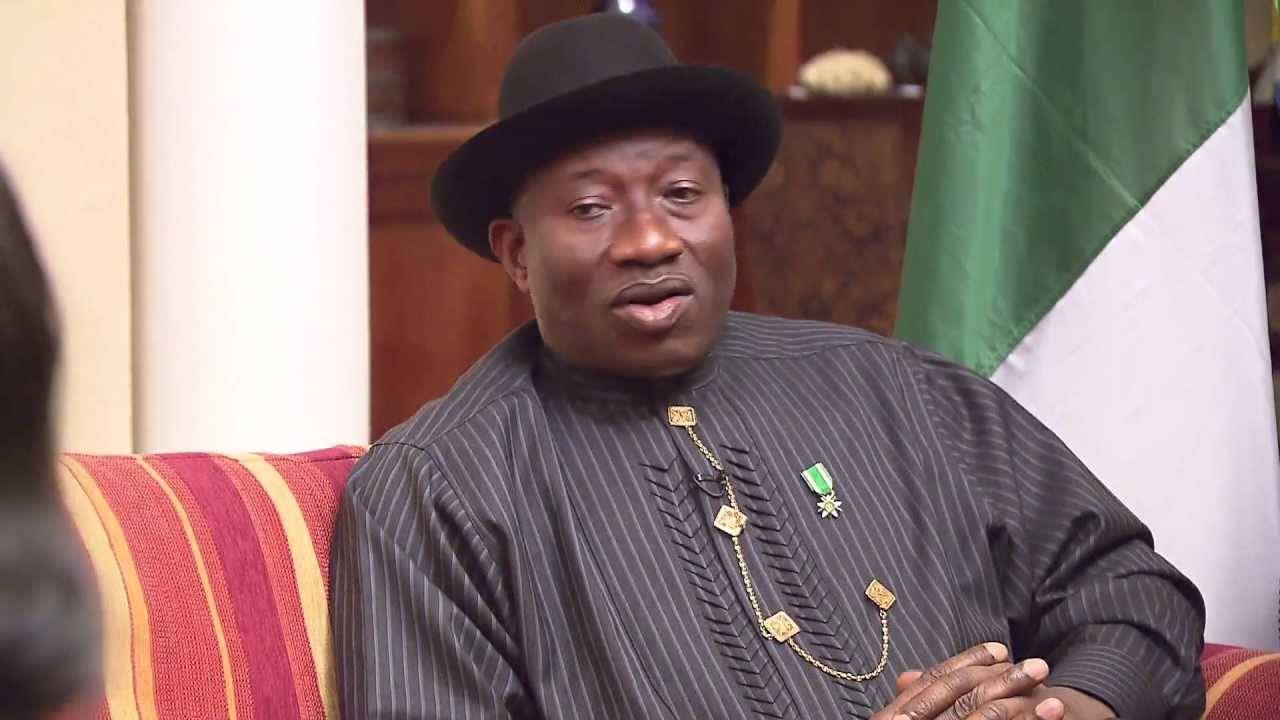
Former President Goodluck Jonathan has shed light on the circumstances that led him to return to Nigeria aboard an Ivorian aircraft during the turmoil in Guinea-Bissau, explaining that Côte d’Ivoire’s evacuation team obtained landing clearance ahead of Nigeria due to proximity and diplomatic access.
Speaking in an interview with journalists, Jonathan said both President Bola Tinubu and Côte d’Ivoire’s President Alassane Ouattara arranged aircraft to rescue him and his delegation after the coup unfolded, but the Ivorian team was able to secure authorisation first. He noted that he chose to publicly address the issue because Nigerians deserved to hear directly from him after the wave of concern that followed reports of the unrest.
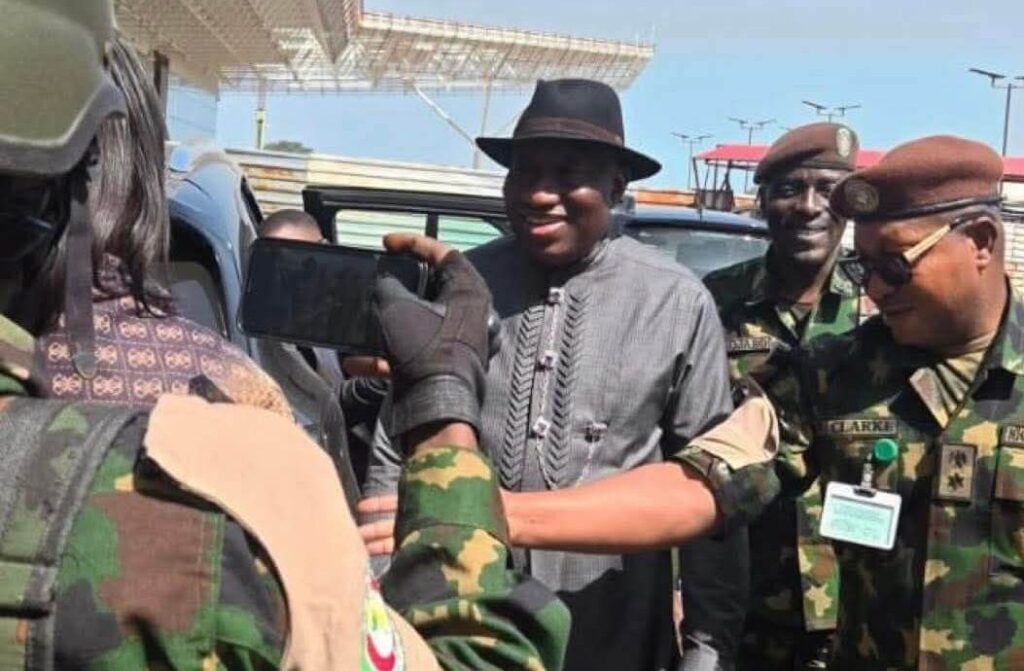
“You know, since I left office, I’ve always been scared of talking to the media. But in this particular case, I decided to speak to the media, first and foremost, to thank Nigerians for the show of empathy, the encouragement,” he said. Jonathan added that the tension in Guinea-Bissau created widespread fear back home. According to him, citizens “young and old, irrespective of religious divides or political divides” expressed strong concern, which he deeply appreciated.
The former president further expressed gratitude to Tinubu and Ouattara for their swift intervention, stating that both leaders mobilised aircraft for his evacuation. He explained that Côte d’Ivoire’s team, benefitting from regional proximity and established relations between Francophone and Lusophone states, was able to finalise its clearance earlier. “Both presidents were to send aircraft to lift us, but somehow you know Côte d’Ivoire is closer to Guinea-Bissau, and there’s always some relationship between the Francophone countries and the Lusophones, who are among the Francophones,” he said.
Jonathan clarified that Nigeria’s aircraft was already preparing to depart, but once it became clear that the Ivorian aircraft had secured permission and was en route, he advised Nigerian authorities not to proceed. “So when we learnt that the Nigerian aircraft were about leaving, we asked them not to bother. That is why, if you see the pictures, I was brought by an Ivorian aircraft,” he stated in the interview released by Symfoni on YouTube.
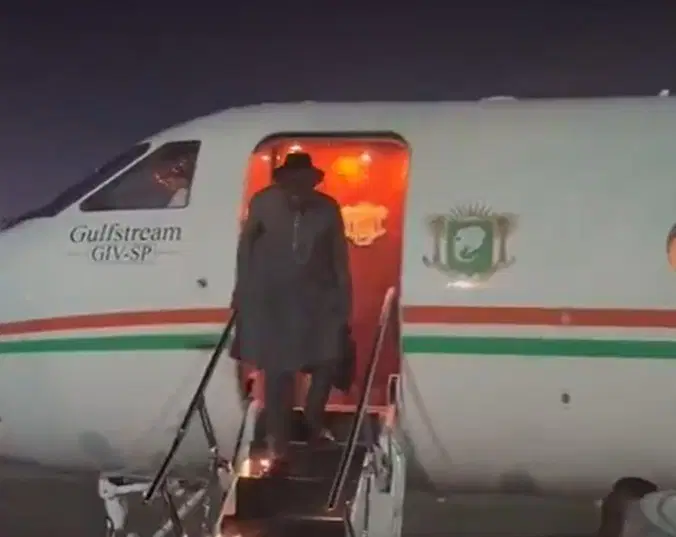
He returned to Nigeria on Thursday, landing at the Nnamdi Azikiwe International Airport in Abuja after being stranded for nearly two days following the takeover by Guinea-Bissau’s military. Jonathan had travelled to the country as head of the West African Elders Forum Observation Mission for the presidential and parliamentary elections, which were underway when soldiers seized power.
The coup disrupted the work of the election monitoring teams from the West African Elders Forum, the African Union (AU), and ECOWAS, leaving them unable to move freely. The Federal Ministry of Foreign Affairs later assured Nigerians that Jonathan was “safe” and had departed Guinea-Bissau.
Military Takeover and ‘Total Control’
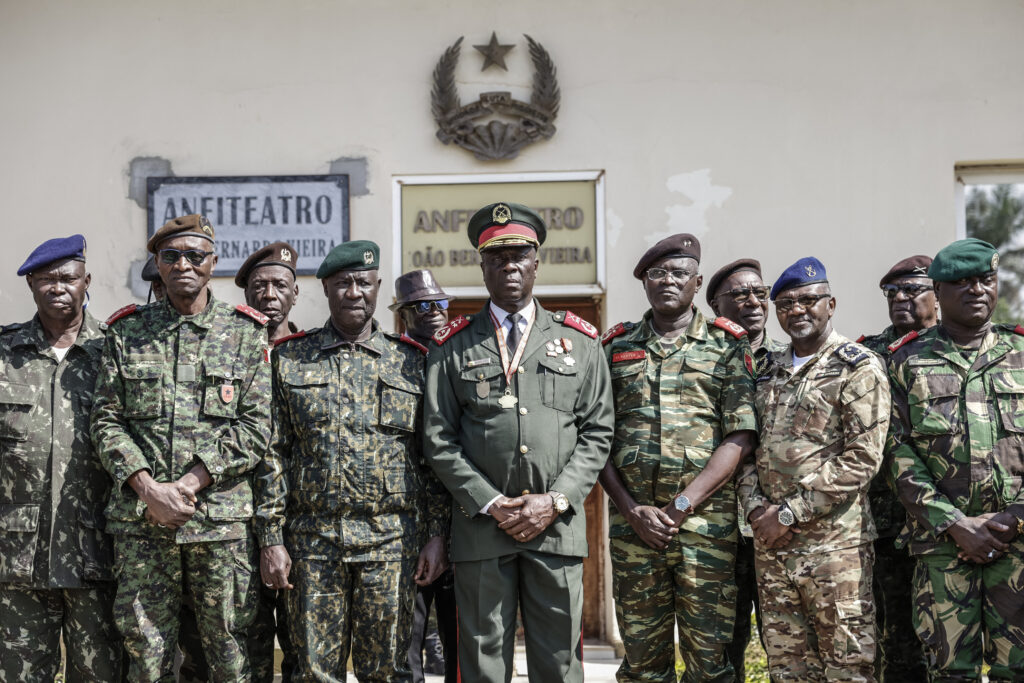
Guinea-Bissau’s military leadership announced on Wednesday that they had assumed “total control” of the nation, suspending the electoral process and closing the borders shortly after the polls. General Denis N’Canha, head of the presidential military office, declared that a command structure involving all branches of the armed forces had taken charge.
President Umaro Embalo, who was widely expected to win the election, was arrested before managing to flee to Senegal. The day after the coup, the military appointed the army’s chief of staff, General Horta N’Tam, as interim leader for a one-year transition period.
What you should know
Goodluck Jonathan’s evacuation became a major point of national concern as the coup in Guinea-Bissau left him and other election observers stranded.
Although both Nigeria and Côte d’Ivoire planned rescue operations, the Ivorian team secured faster access, resulting in Jonathan’s evacuation via their aircraft.
His public explanation aimed to reassure Nigerians and acknowledge the support received during the crisis, while offering clarity on the diplomatic and logistical reasons behind the choice of aircraft.