Introduction
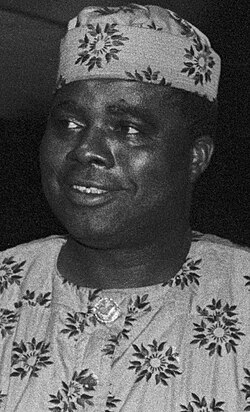
Jaja Anucha Ndubuisi Wachuku (January 1, 1918 – November 7, 1996), a Royal Prince of Ngwaland and descendant of 20 generations of Igbo chiefs in Eastern Nigeria, was a Pan-Africanist, statesman, lawyer, politician, diplomat, and humanitarian. As Nigeria’s first Minister of Foreign Affairs (1961–1965), first Speaker of the House of Representatives (1959–1960), and first Ambassador to the United Nations (1960–1961), Wachuku played a pivotal role in shaping Nigeria’s early post-independence identity. His assertive diplomacy, notably saving Nelson Mandela from the death penalty during the 1963–64 Rivonia Trial, and his advocacy for African unity earned him global respect. A scholar and orator, Wachuku’s legacy as a “no-nonsense” leader endures as a cornerstone of Nigeria’s diplomatic history.
Early Life and Education
Born in Nbawsi, Abia State, to Prince Josiah Onyekwere Wachuku, a prominent community leader, and Rebecca Nwaoboli Ngwu, Jaja grew up steeped in Igbo royalty and tradition. His early education at Government School, Nbawsi, and Aggrey Memorial College, Arochukwu, showcased his intellectual promise. In 1939, he enrolled at Trinity College, Dublin, Ireland, becoming the first African Gold Medalist in Oratory and the first African Laureate in Oratory in 1941. Elected Executive Member of the College Historical Society, he represented the University of Dublin in the 1943 Inter-University Debate at Durham. Called to the Irish Bar at King’s Inns in 1944, Wachuku earned a B.A. in Legal Science and an LL.B., excelling in Roman Law, Constitutional Law, and Criminal Law. His research fellowship at Trinity College focused on “The Juristic Status of Protectorates in International Law.” Returning to Nigeria in 1947, he practiced as a Barrister and Solicitor of the Supreme Court and at the West African Court of Appeal, fully engaging in Nigeria’s constitutional conferences for independence.
Political and Diplomatic Career
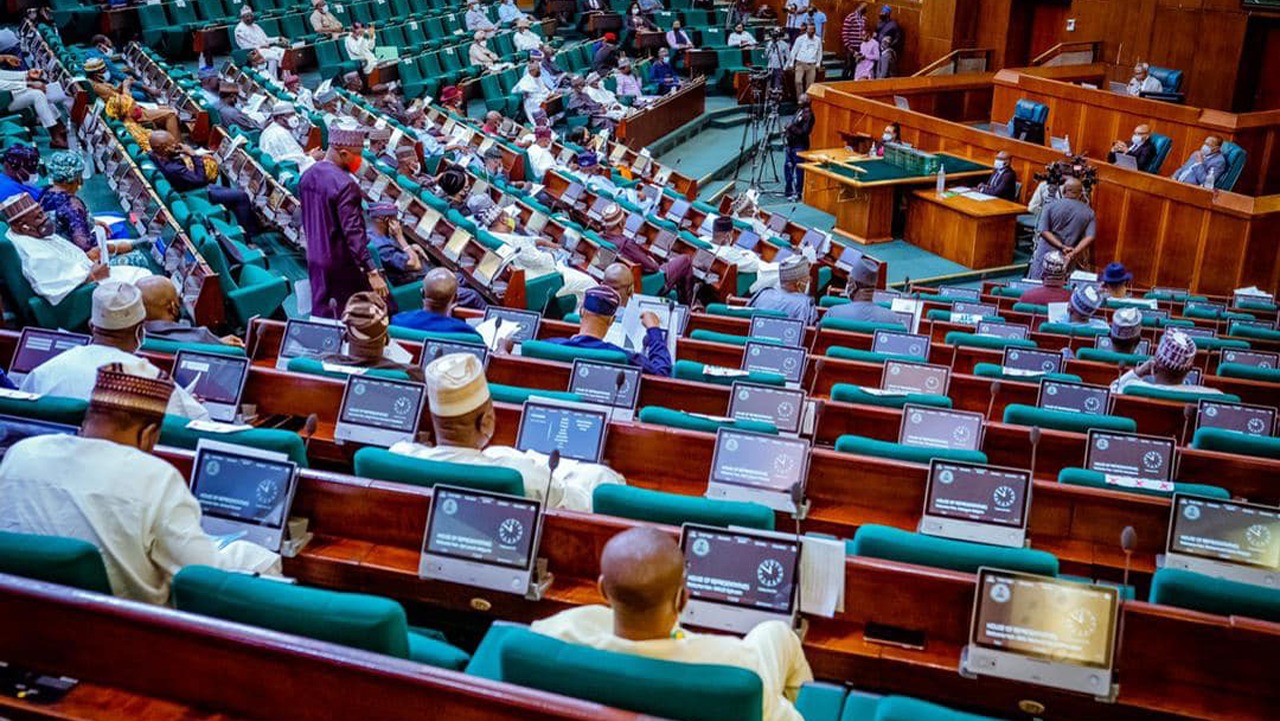
Wachuku’s political ascent began in 1959 when he became the first indigenous Speaker of Nigeria’s House of Representatives, succeeding Sir Frederick Metcalfe. On October 1, 1960, he received Nigeria’s Instrument of Independence from Princess Alexandra of Kent, marking a historic moment. As Speaker, he was honored on a U.S. tour with the City of Philadelphia’s Blue Seal and the Key to the City of Atlanta. From 1960 to 1961, Wachuku served as Nigeria’s first Ambassador and Permanent Representative to the United Nations, hoisting Nigeria’s flag as the 99th member on October 7, 1960, and becoming the first African Chairman of a UN Conciliation Commission for the Congo. Time magazine hailed him as “Nigeria’s dynamic U.N. Ambassador,” noting his energetic and wise diplomacy that positioned Nigeria as a major African force within months of independence.
As Nigeria’s first Minister of Foreign Affairs (1961–1965), Wachuku defined the nation’s foreign policy with Afrocentrism, non-alignment, and regional cooperation. He organized the Afro/Asian group of states, secured Liberia’s election to the UN Security Council, and Ethiopia’s to the UN Economic and Social Council. His push to amend the UN Charter, expanding the Security Council from 11 to 15 to include African nations, was a landmark achievement. His quiet diplomacy with Anglo-American powers, notably the U.S. and UK, earned praise, with U.S. diplomat Owen Roberts noting Wachuku’s assertive style, demanding equal respect as British or Russian ministers. Wachuku’s intervention with South Africa’s government during the 1963–64 Rivonia Trial saved Nelson Mandela and others from execution, a feat Mandela acknowledged in his 1962 diary after meeting Wachuku in Lagos.
Wachuku’s principled stance was evident at the 1963 Organization of African Unity (OAU) inaugural conference in Addis Ababa, where he barred Togo’s coup-installed government, making it the only independent African nation excluded. He famously quipped to Emperor Haile Selassie and Prime Minister Balewa that, as the “number three” in government, he’d be safe in his village by the time coup plotters reached him—a prescient remark, as he resigned from parliament on January 14, 1966, hours before Nigeria’s first military coup. Later, as Minister of Aviation (1965–1966), he established the Aviation Training Centre in Zaria and signed key aviation laws.
Pan-Africanism and Global Connections
A delegate to the 1945 Pan-African Congress, Wachuku’s Pan-Africanist ideals shaped his diplomacy. At the 1960 American Society of African Culture conference in Philadelphia, he joined luminaries like Rayford Logan, reinforcing African cultural unity. His friendships with global leaders, including U.S. Presidents Dwight D. Eisenhower, John F. Kennedy, and Lyndon B. Johnson, Speaker Sam Rayburn, Martin Luther King Jr., Golda Meir, and Nikita Khrushchev, underscored his international stature. A 1960 UN incident, where he feigned sleep to protest being denied a chance to address a racist remark, went viral, earning him admiration for his bold defiance.
Honors and Recognition
Wachuku’s contributions earned him Nigeria’s Commander of the Order of the Federal Republic and the Commander of the Order of the Niger Republic from President Hamani Diori on July 14, 1962, for services to Niger. His 1960 U.S. tour garnered civic honors, and his oratory prowess was celebrated in Ireland and Nigeria. In 2005, Professor Bolaji Akinyemi praised Wachuku’s foresight, noting his stance on Togo foreshadowed the OAU’s later anti-coup policies. Posts on X continue to celebrate his role in saving Mandela and his “no-nonsense” diplomacy.
Personal Life and Challenges
Wachuku married Victoria Nwachukwu in 1947, and they had five children, including Chidi, a diplomat, and Ugonna, an author who dedicated a poem, “Some Memories Never Die,” to his uncle. During Nigeria’s Civil War (1967–1970), Wachuku’s Igbo heritage placed him in a precarious position, yet he remained a bridge-builder. His resignation before the 1966 coup reflected his foresight, and he lived quietly in Nbawsi post-war, serving as a community leader until he died in 1996 at 78. His integrity, as noted by iNigerian.com, was untainted by corruption or self-aggrandizement.
Conclusion
Jaja Wachuku’s legacy as Nigeria’s first Foreign Affairs Minister and a Pan-Africanist visionary is profound. His diplomacy elevated Nigeria’s global standing, saved lives like Mandela’s, and championed African representation. A scholar, orator, and principled leader, Wachuku’s assertive yet quiet approach reshaped perceptions of African diplomats. As Nigeria navigates modern challenges, his Afrocentric vision and commitment to justice remain a guiding light, immortalizing him as a statesman ahead of his time.
Sources: Wikipedia, Wukari International Studies Journal, Nigerian Infopedia, LifeAndTimes News, iNigerian.com, Time Magazine, The Cambridge History of Africa.