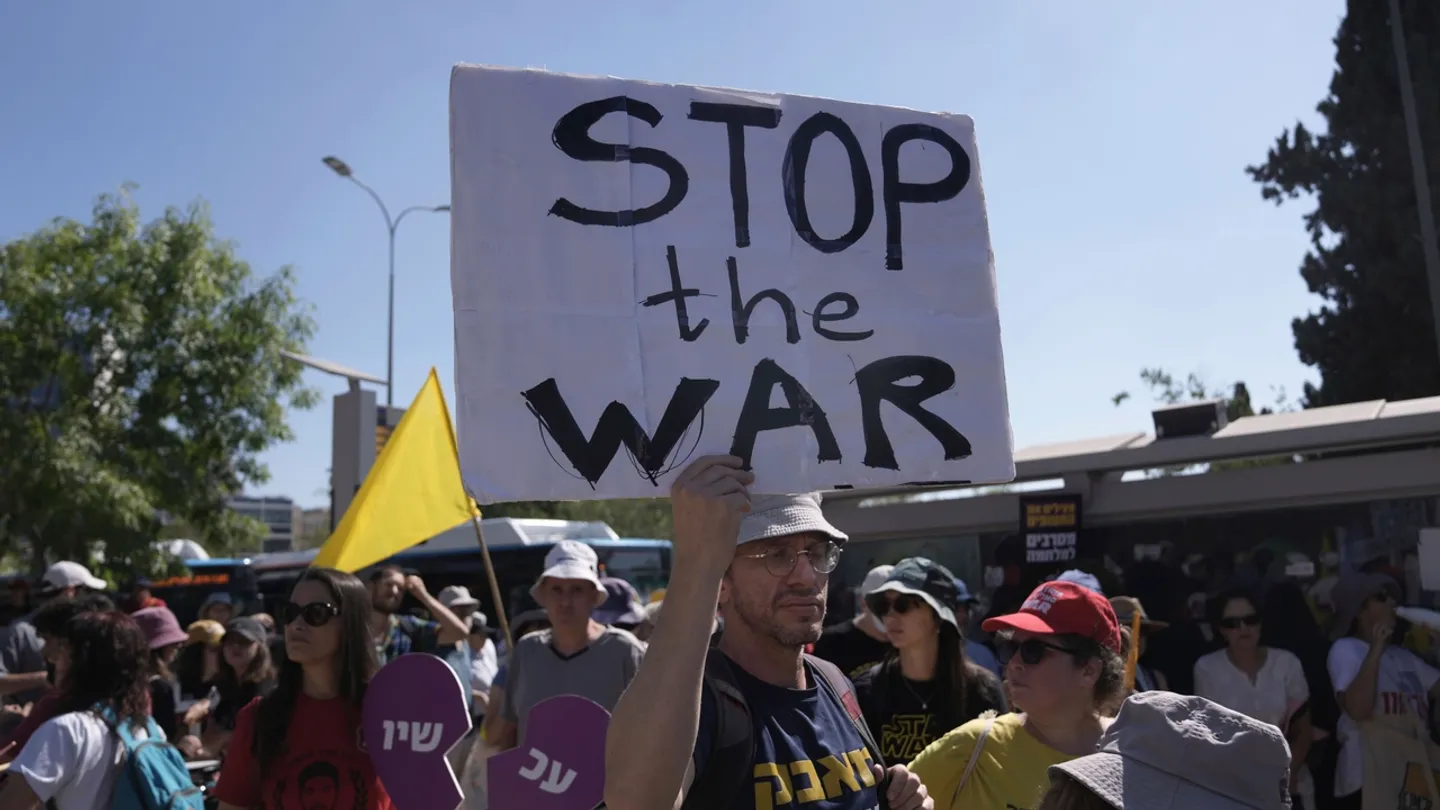
Across Israel on Sunday, thousands of demonstrators rallied to demand an immediate halt to the ongoing Gaza war and a deal to secure the freedom of hostages still being held by Palestinian militants, a move that drew sharp condemnation from Prime Minister Benjamin Netanyahu and members of his government.
The demonstrations came just over a week after Israel’s security cabinet signed off on plans to press deeper into Gaza City, nearly two years into a conflict that has left catastrophic humanitarian conditions in the Palestinian enclave. The war was sparked by Hamas’s October 7, 2023 assault on Israel, an attack that resulted in 251 people being kidnapped. Nearly two years later, Israeli officials say 49 of those captives remain in Gaza, including 27 who are believed to be dead.
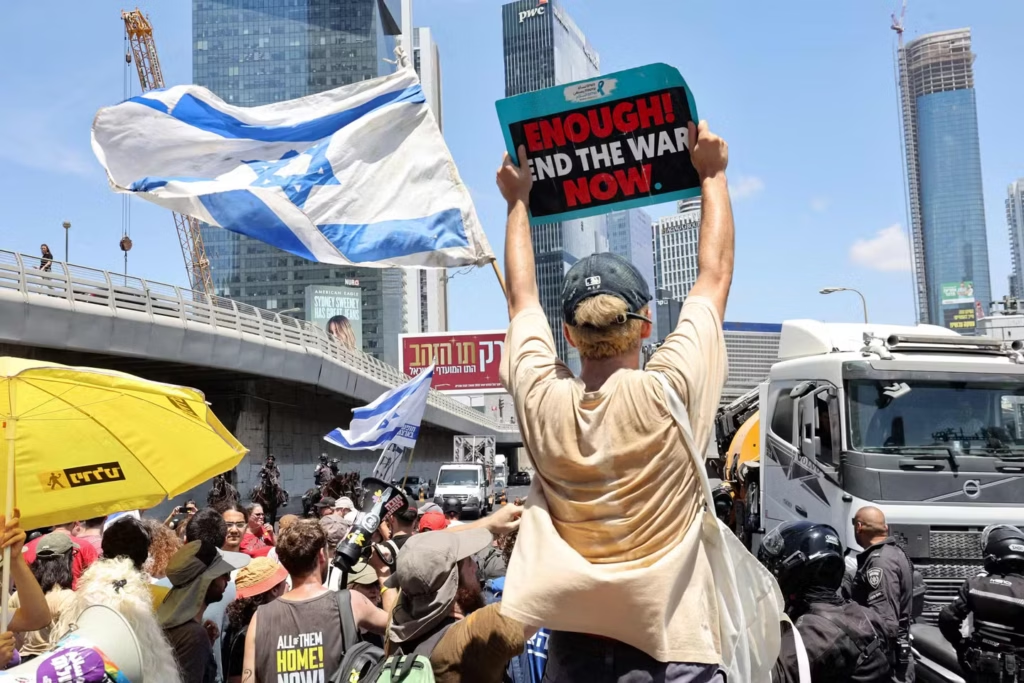
In Tel Aviv, a massive Israeli flag covered with photographs of the remaining hostages was stretched across Hostage Square, a site that has become the symbolic heart of demonstrations throughout the war. Among those attending was 50-year-old Ofir Penso, who described the urgency of the situation by warning that time was running out to rescue those still alive. He added that while government leaders present a united front, a significant segment of Israeli society disagrees with the official policy and wants a different course.
Many in the crowd carried banners marked with “681,” the number of days the hostages have been in captivity. Protesters went beyond rallies, blocking major roads including the highway linking Tel Aviv to Jerusalem, where tyres were set ablaze. Israeli media reported widespread disruptions while police confirmed that more than 30 people were detained for public disorder.
Organisers escalated their campaign by calling for a nationwide strike, urging the public to “shut down the country” until the government secures the release of hostages and moves to end the war. Netanyahu reacted strongly, accusing the protesters of weakening Israel’s negotiating position and prolonging the ordeal of those still held in Gaza. He warned that such demonstrations risk repeating the horrors of the October 7 attack.
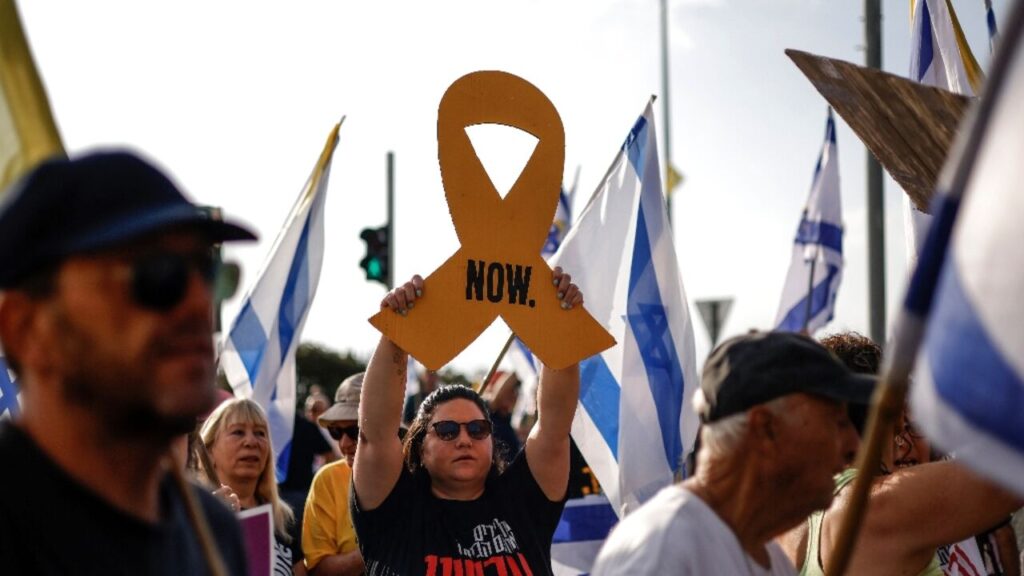
The Hostages and Missing Families Forum, which has spearheaded much of the advocacy, countered that the situation is becoming critical, pointing to recent footage released by Hamas and Islamic Jihad showing hostages in visibly dire condition. The group insisted that failure to act now would mean losing them forever. Their demands extend to 50 captives, a number that includes the remains of an Israeli soldier killed in 2014 and still held in Gaza.
Efforts at mediation are being revived, with Egypt confirming that international partners are pushing for a 60-day truce deal that would involve the release of captives. The previous round of negotiations in Qatar collapsed without agreement. Meanwhile, Israeli political voices remain split. Far-right Finance Minister Bezalel Smotrich denounced the protests as a dangerous campaign that emboldens Hamas and represents surrender. In contrast, opposition figure Benny Gantz accused the government of failing families of the hostages while turning its ire on them, despite bearing responsibility for their ongoing captivity.
Protests were not confined to Tel Aviv. AFPTV footage showed gatherings in Beeri, a kibbutz devastated in the October 2023 Hamas attack, while Israeli outlets reported rallies across multiple cities.
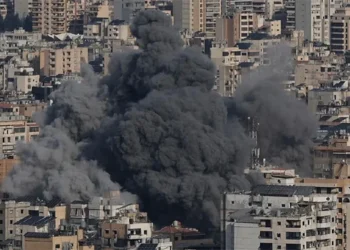
As demonstrations unfolded, Israel’s military confirmed plans to intensify its operations in Gaza City and adjacent refugee camps. Chief of Staff Lieutenant General Eya Zamir announced that the next phase of the war was already approved, stressing that the campaign, dubbed Operation Gideon’s Chariots, would continue until Hamas was decisively defeated. Reports indicated that tens of thousands of reservists would be called up, and that civilians in Gaza City would be forced to relocate before troops moved in. Hamas responded by warning that the offensive would bring mass displacement and further devastation.
International experts have continued to sound alarms over famine conditions spreading in Gaza as humanitarian aid remains severely restricted. On Sunday, Gaza’s civil defence agency reported that Israeli strikes killed at least seven people who had gathered to collect food supplies.
The October 7 Hamas assault left 1,219 people dead, most of them civilians, according to official Israeli figures compiled by AFP. Since then, Israel’s military campaign has resulted in more than 61,944 Palestinian deaths, the majority also civilians, according to the health ministry in Hamas-run Gaza, whose figures are regarded as credible by the United Nations.
What you should know
The protests highlight deepening divisions within Israel nearly two years into the Gaza conflict, as families of hostages and their supporters demand both an end to fighting and immediate rescue of those still captive.
While Prime Minister Netanyahu and far-right ministers argue such demonstrations weaken Israel’s hand against Hamas, opposition leaders and activists insist the government has failed its citizens.
The backdrop is a war that has claimed tens of thousands of lives, triggered famine warnings, and now risks intensifying further with Israel preparing for a fresh offensive into Gaza City.