Israel on Tuesday praised President Donald Trump’s Gaza peace plan after the United Nations Security Council endorsed the initiative, even as Hamas dismissed the resolution, which includes provisions for deploying an international force in the Palestinian territory.
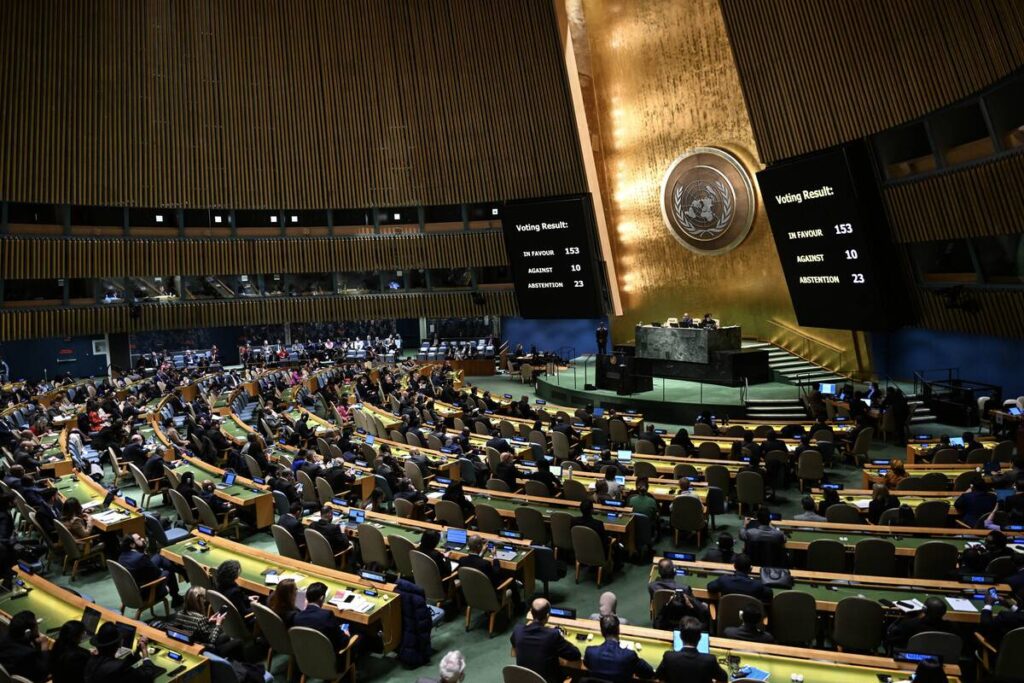
The UN Security Council voted on Monday in support of a US-sponsored resolution reinforcing Trump’s proposal for Gaza. The plan has helped sustain a fragile ceasefire between Israel and Hamas since October 10. It authorises the establishment of an international force that would collaborate with Israel, Egypt, and newly trained Palestinian police units to secure border zones and oversee the demilitarisation of Gaza.
Following the vote, many Palestinians in Gaza expressed cautious hope that their lives might improve, yet remained skeptical that Israel would follow through with the terms. Saeb Al-Hassanat, a 39-year-old resident staying in a school sheltering displaced people in central Gaza, said any step that improves conditions is welcomed, though doubts persist. “Any international decision that benefits the Palestinians now is welcome. The important thing is that the war ends,” he said. He added that “without strong pressure from the US, Israel will not comply with any decision, and the Security Council resolution will remain worthless.”
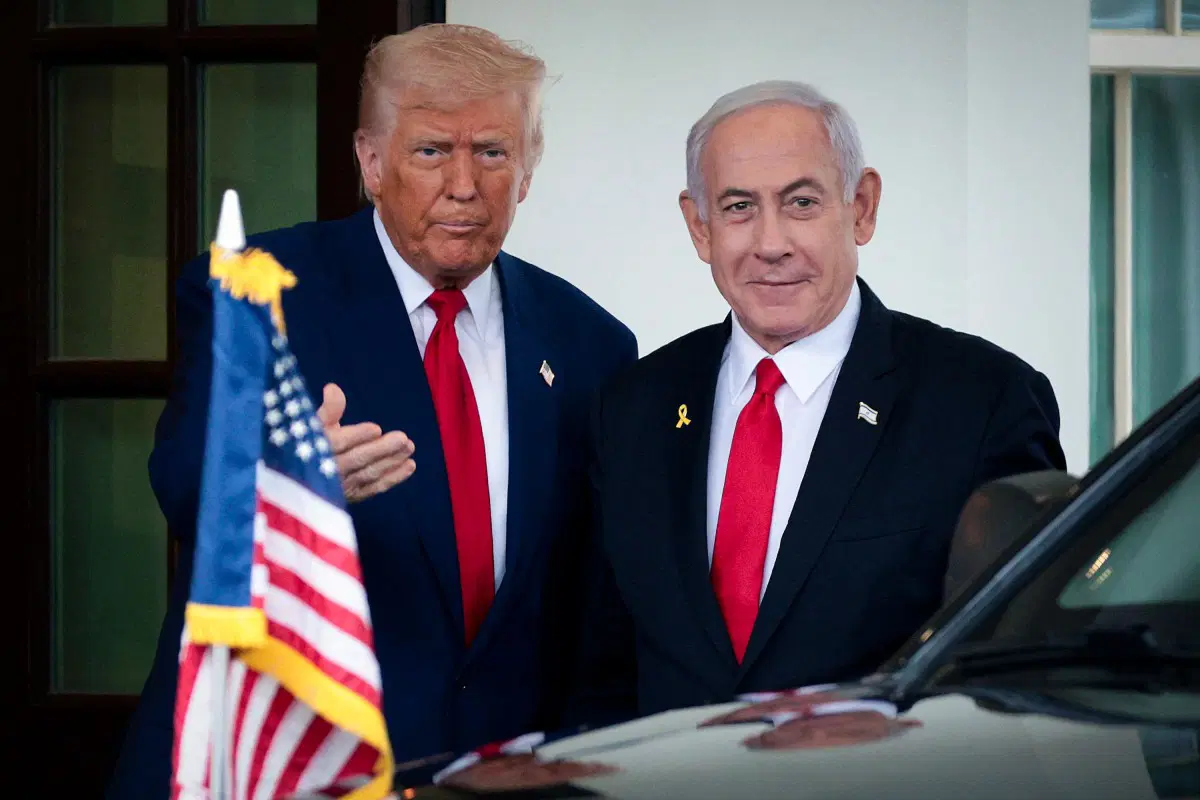
Prime Minister Benjamin Netanyahu’s office endorsed Trump’s plan on Tuesday, describing it as one that would bring “peace and prosperity because it insists upon full demilitarisation, disarmament and the deradicalisation of Gaza.” The office further stated on X that the initiative would “lead to further integration of Israel and its neighbours as well as expansion of Abraham Accords,” which have facilitated the normalisation of ties between Israel and several Arab nations.
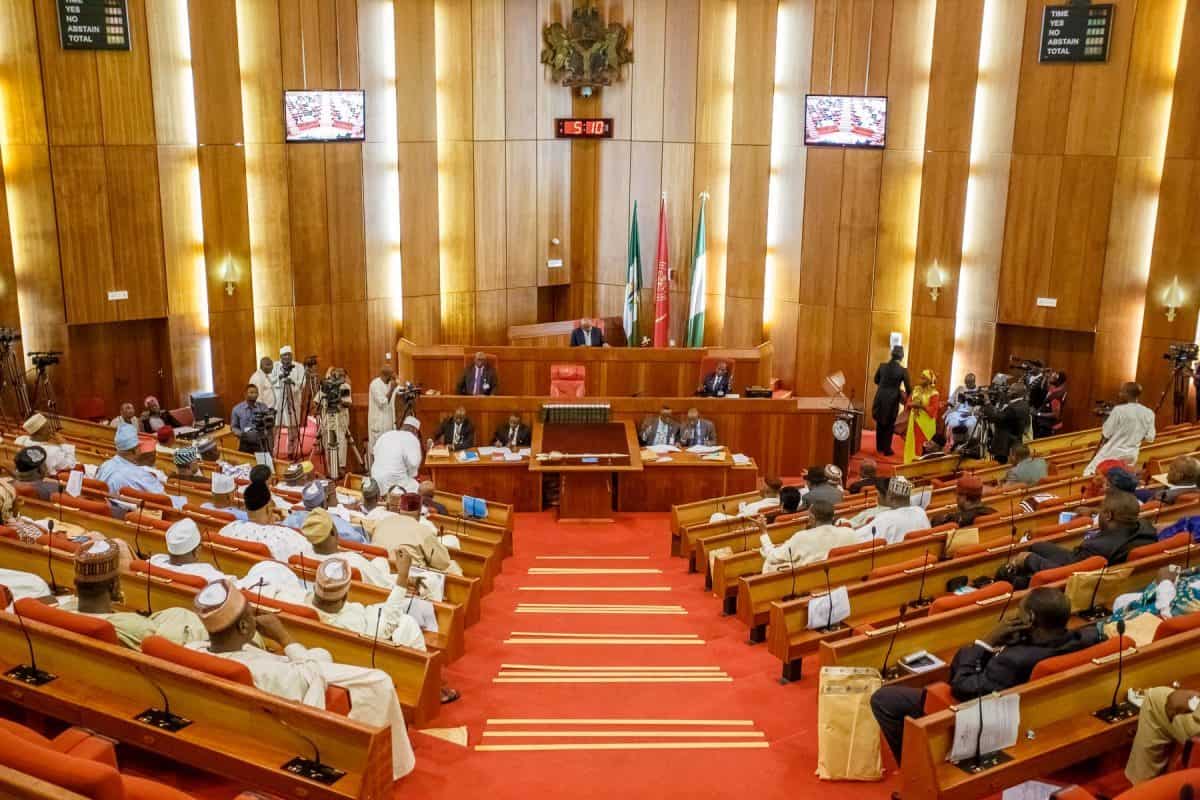
The resolution passed with 13 votes in favour and none against. Russia and China abstained but did not exercise their veto power.
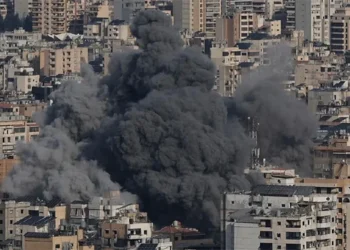
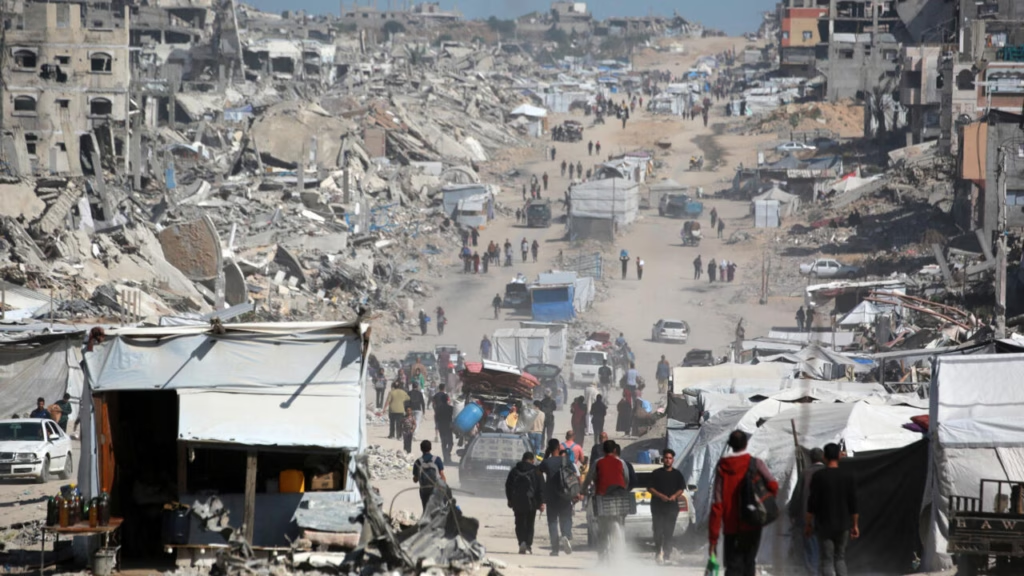
The Gaza Strip remains in ruins after two years of conflict triggered by the Hamas attack on Israel on October 7, 2023. In Gaza City’s Zeitun neighbourhood, Rawia Abbas, who lives in a partially destroyed home, described the ceaseless hardship facing residents. She explained that despite the ceasefire, daily survival remains overwhelmingly difficult. “We still have no food, no water and no homes. Winter has begun and people’s conditions are catastrophic. My young children stand in line for hours to get a gallon of water and a coupon for some food,” she said. “Now we are in God’s hands.”
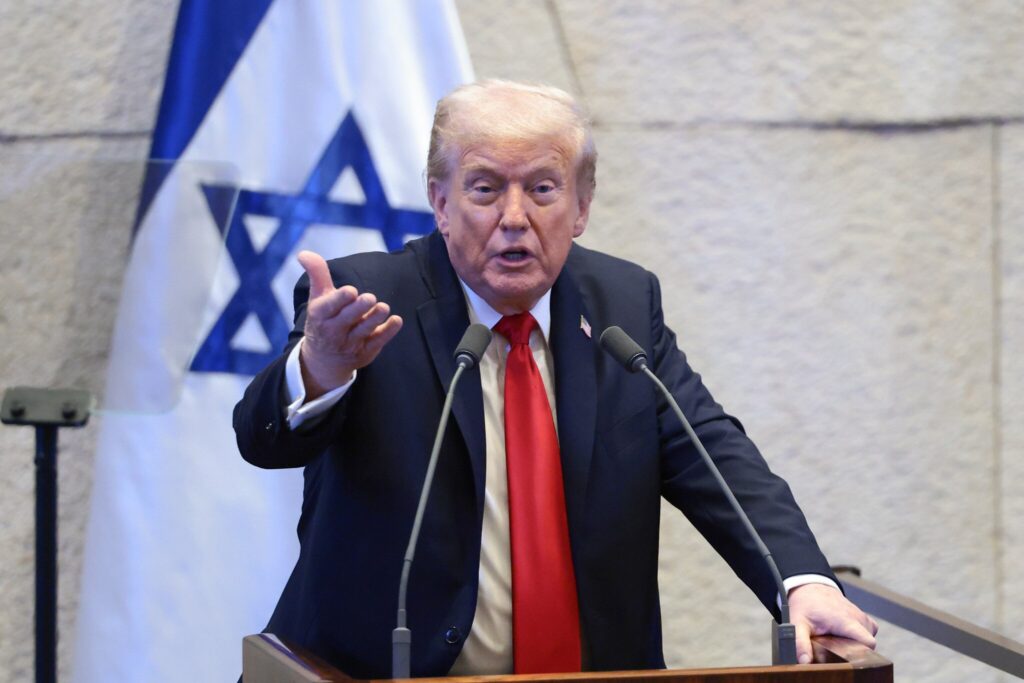
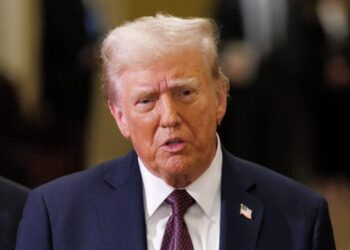
President Trump reacted to the Security Council vote by posting that it would help bring “further peace all over the world.”
Hamas, however, rejected the resolution outright, saying it does not address Palestinians’ “political and humanitarian demands and rights.” The group criticised the creation of an international force and argued that the plan imposes “an international trusteeship on the Gaza Strip, which our people, its forces, and its constituent groups reject.” Hamas has been excluded from any governing role under the terms of the resolution.
The plan authorises an International Stabilisation Force tasked with overseeing the “permanent decommissioning of weapons from non-state armed groups,” safeguarding civilians, and ensuring secure corridors for humanitarian assistance.
The Palestinian foreign ministry, operating from the Israeli-occupied West Bank, welcomed the vote, saying it reaffirmed the Palestinian people’s “right to self-determination and the establishment of their independent state,” while stressing the need for swift implementation of the resolution. The ministry also emphasised the importance of unhindered humanitarian aid deliveries into Gaza.
The resolution refers to a potential future Palestinian state—an outcome Israel opposes—explaining that once reforms by the Palestinian Authority are carried out and Gaza’s reconstruction begins, “the conditions may finally be in place for a credible pathway to Palestinian self-determination and statehood.”
It further provides for the creation of a “Board of Peace,” a transitional governing body for Gaza that President Trump would theoretically chair, with authority extending through 2027. The resolution also calls for the scaling up of humanitarian aid through the UN, the Red Cross, and the Red Crescent.
In Jerusalem, Israeli President Isaac Herzog described the Security Council’s endorsement as a “historic diplomatic achievement… that can and must lead us to the ‘day after’ in Gaza and throughout the region.”
What You Should Know
Trump’s Gaza peace plan, now backed by the UN Security Council, marks one of the most significant diplomatic developments since the conflict escalated in 2023.
While Israel has embraced the proposal, Hamas’s rejection ensures the path forward remains complex.
The resolution lays out an international framework for Gaza’s future governance, security, and reconstruction, setting the stage for a prolonged contest between global diplomacy and local resistance.