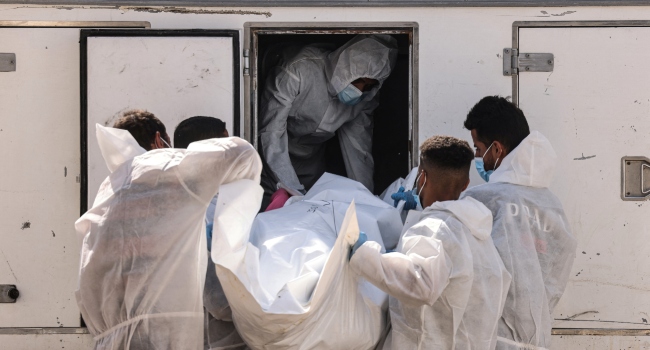
Israel announced on Sunday that it had received the remains of three more captives from Hamas as part of the ongoing hostage-prisoner exchange under a US-brokered ceasefire for Gaza.
Despite occasional tensions, the fragile truce, in effect since October 10, has largely held. It centres on ensuring the return of all Israeli hostages, both living and deceased.
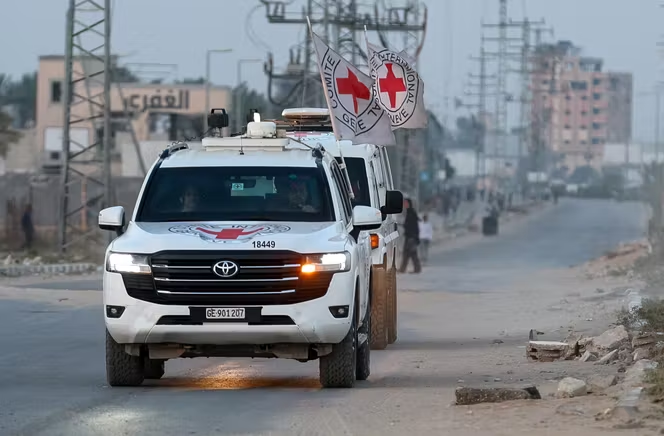
“Israel has received, through the Red Cross, the coffins of three fallen hostages that were handed over to IDF and Shin Bet forces inside the Gaza Strip,” the Israeli prime minister’s office said, noting that the remains would undergo forensic identification.
According to Hamas’s armed wing, the three bodies were discovered “along the route of one of the tunnels in the southern Gaza Strip.”
Hamas initially held 48 hostages in Gaza, including 20 confirmed alive when the ceasefire began. Since then, it has released all 20 living hostages and started transferring the remains of the 28 deceased captives. So far, 17 bodies, including 15 Israelis, one Thai, and one Nepalese, have been returned.
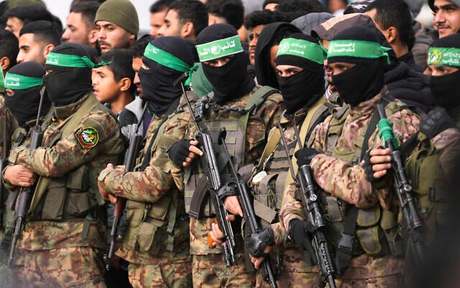
Israel has accused Hamas of deliberately slowing the process, while Hamas blames logistical challenges, claiming many bodies remain buried beneath Gaza’s rubble. The group has urged mediators and the Red Cross to provide assistance in locating and recovering the remains.
Hamas spokesman Hazem Qassem said the handover reflected efforts “to return the bodies as quickly as possible.”
In Israel, the Hostages and Missing Families Forum called on the government to ensure Hamas fulfills its commitments, stating that “the prime minister must act with determination and firmness” to secure the return of all deceased hostages.
Hamas has also returned partial remains of a hostage whose body was earlier recovered by Israeli forces, sparking outrage and accusations that it violated the ceasefire terms.
During the funeral of Sahar Baruch, whose remains were among those handed over, his aunt Inbal Bachar said, “We cannot continue our lives until they all return.”
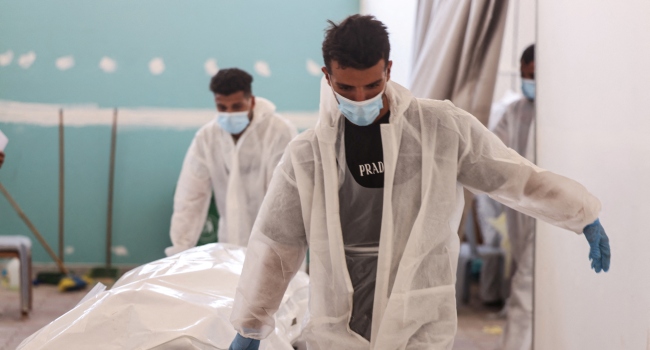
Meanwhile, in Gaza, Palestinians are hoping the ceasefire will pave the way for an Israeli military withdrawal. “We want the second phase of the agreement to begin so that we can return to our homes,” said Naif al-Sulaibi, a resident of Jabalia. “As long as the Yellow Line and the army remain here, life is impossible and conditions will stay unbearable.”
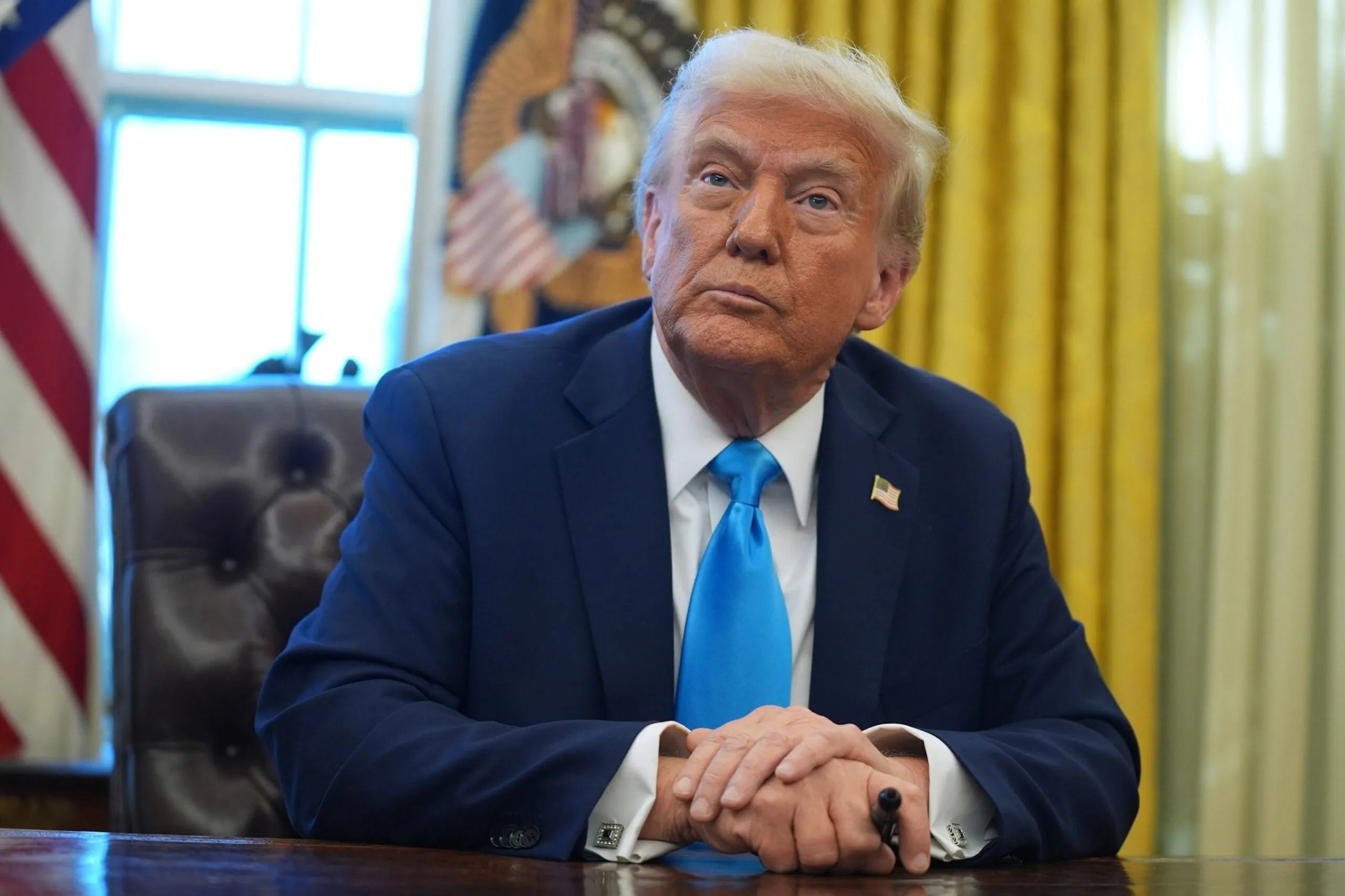
The second phase of US President Donald Trump’s ceasefire plan—involving Hamas’s disarmament, the creation of a transitional authority, and the deployment of an international stabilization force—is yet to be finalised.
What you should know
Israel received the remains of three hostages from Hamas under a US-brokered ceasefire. The exchange follows months of negotiations aimed at returning all captives.
While families in Israel push for closure, Gaza residents hope the truce leads to military withdrawal and relief from ongoing hardship.