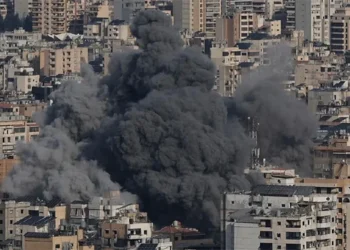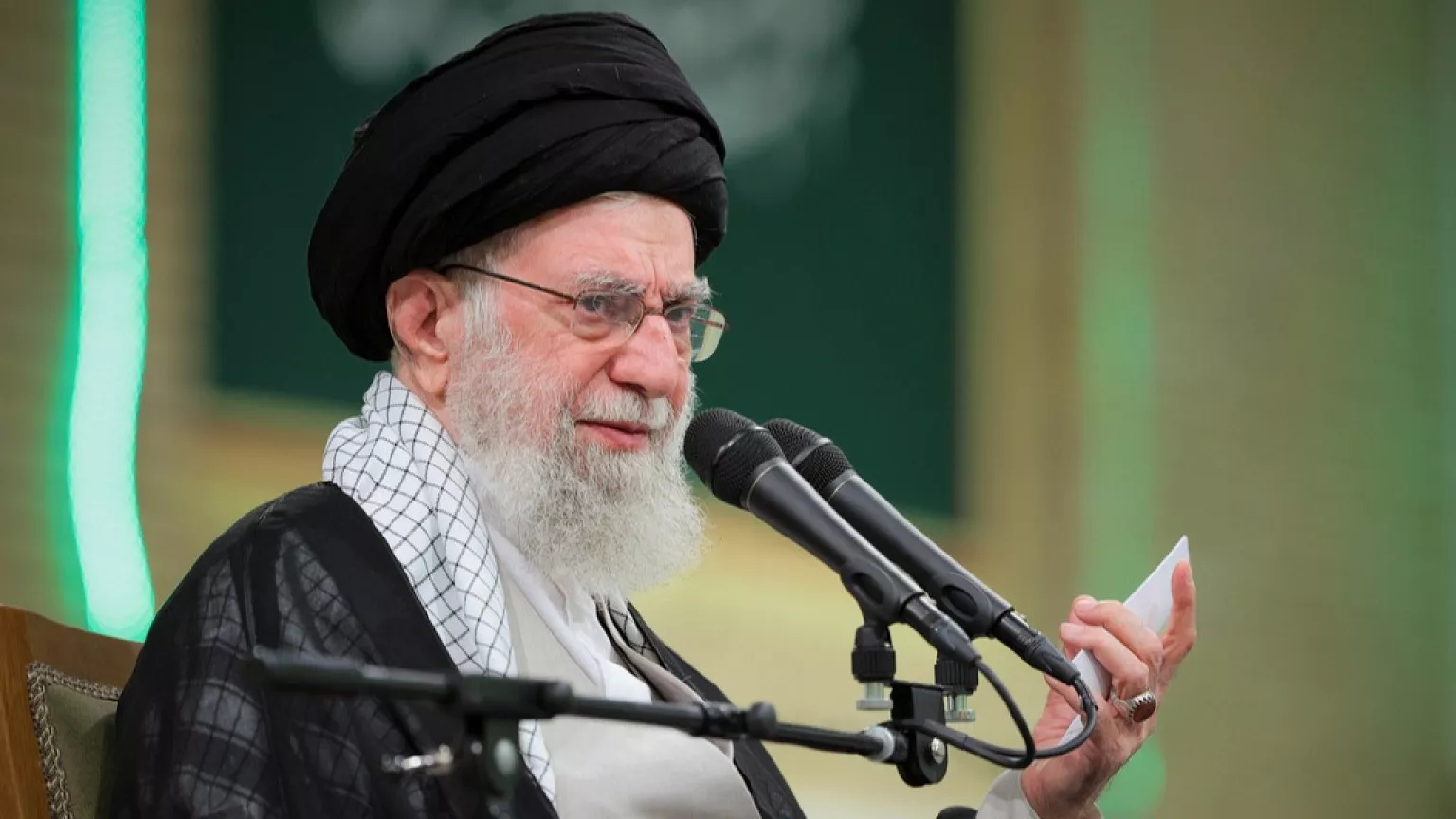
Iran has officially reopened its airspace, including the skies over its capital, Tehran, following a complete shutdown triggered by last month’s military escalation with Israel.
The announcement was made Thursday via state media, signaling a return to normalcy after weeks of heightened tensions and airspace restrictions.
According to the Islamic Republic News Agency (IRNA), all major airports across the country, including Tehran’s Imam Khomeini International Airport and Mehrabad Airport, have resumed operations.
Airports in other key regions of Iran’s north, south, east, and west have also been cleared to operate domestic and international flights. Authorities confirmed that scheduled flight activity will run between 5:00 a.m. and 6:00 p.m. daily.
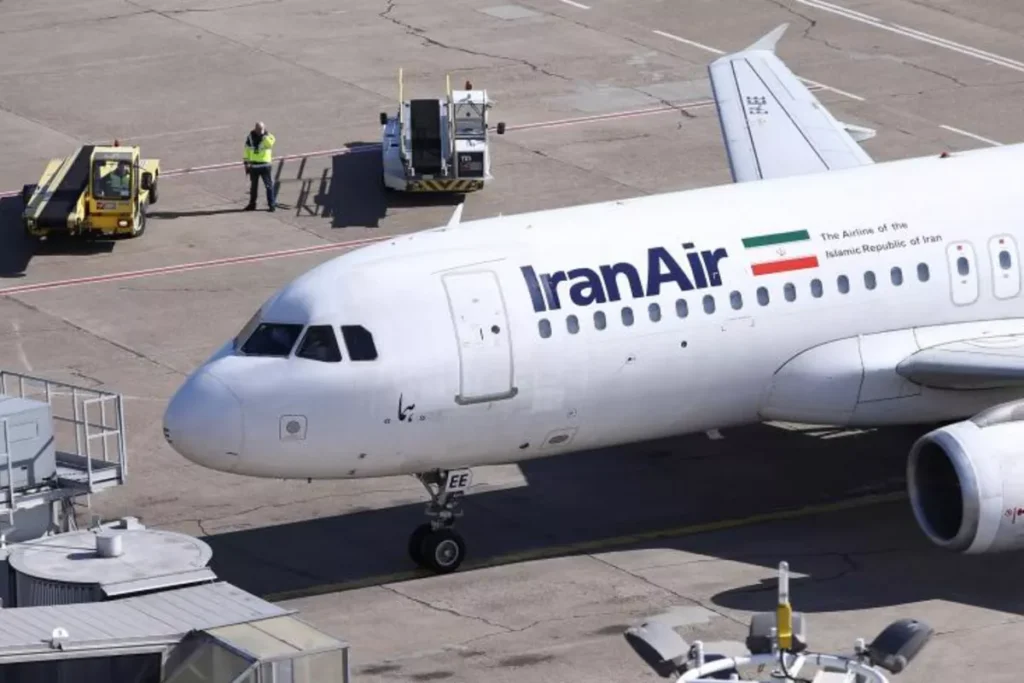
However, two significant regional hubs, the cities of Isfahan and Tabriz, remain exceptions. Flight operations in these areas will resume only once local infrastructure deemed necessary for safe air travel is restored, IRNA added.
Iran had imposed a nationwide airspace closure on June 13, following a dramatic series of Israeli air strikes that were met with retaliatory missile launches by Tehran. The confrontation marked one of the most volatile military exchanges between the two longtime adversaries in recent years.
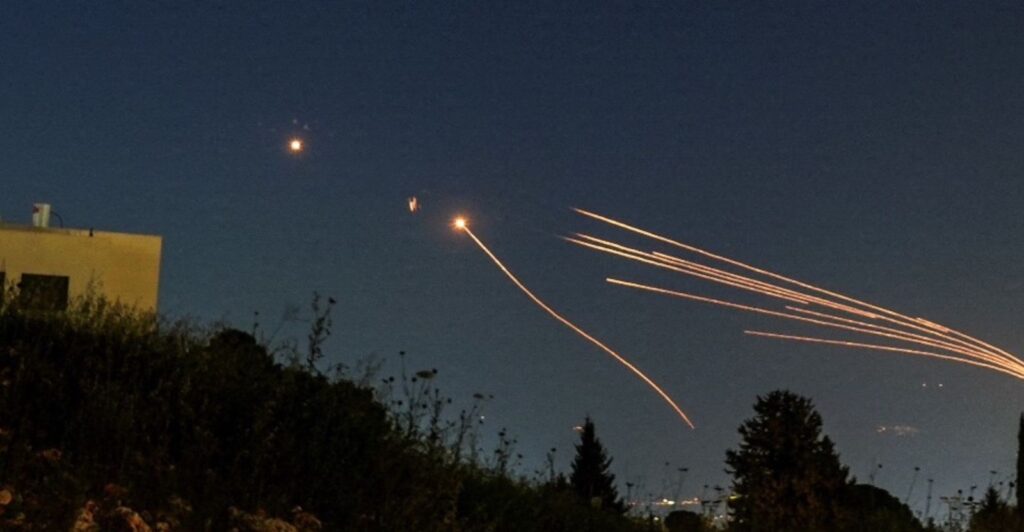
Tensions between Iran and Israel reached a critical point earlier this year, prompting international concern over the stability of the region. But after intense diplomatic efforts, both sides agreed to a ceasefire that officially took effect on June 24.
In the immediate aftermath of the truce, Iranian officials moved to gradually reopen the country’s airspace, beginning with limited access in the eastern corridor and allowing international flights to pass through. Thursday’s broader reopening marks a major step in Iran’s phased resumption of aviation operations.
The renewed activity across Iran’s skies will likely ease regional flight rerouting burdens and restore key aviation links disrupted during the military standoff.
What you should know
Iran reopened its national airspace on July 4, weeks after shutting it down due to military conflict with Israel. Airports in Tehran and other regions resumed flight operations, although Isfahan and Tabriz remain closed pending infrastructure upgrades. The move follows a ceasefire between Iran and Israel that took effect on June 24.