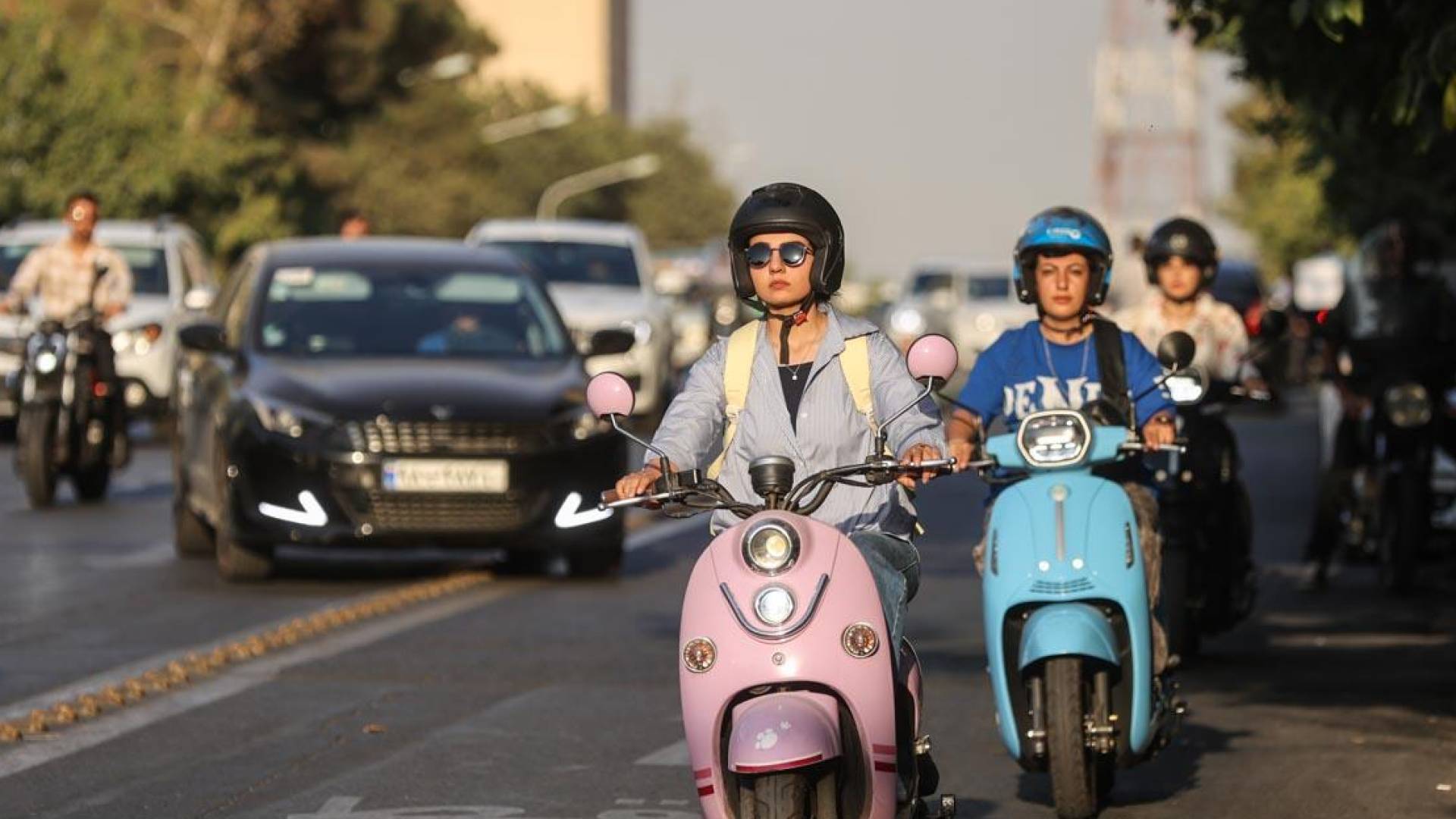
In a significant policy shift, Iran has officially cleared the way for women to obtain motorcycle licenses, ending a years-long legal ambiguity that effectively barred them from riding two-wheeled vehicles, local media reported on Wednesday.
The move comes after Vice President Mohammad Reza Aref signed a cabinet resolution on Tuesday clarifying provisions in the country’s traffic code, according to the semi-official Ilna news agency.
The resolution, which received cabinet approval in late January, mandates that traffic police provide practical training to female applicants, administer licensing examinations under direct police supervision, and issue motorcycle driver’s licenses to qualified women.
The announcement marks the end of a peculiar legal gray area that had long frustrated Iranian women seeking mobility independence. While no explicit law banned women from operating motorcycles and scooters, authorities systematically refused to issue them licenses—a practice that left female riders in a precarious legal position.
This bureaucratic obstacle had particularly harsh consequences when accidents occurred. Without valid licenses, women involved in traffic incidents faced legal liability, even when they were not at fault, creating what critics described as a discriminatory enforcement trap.
The timing of the policy change is notable. It follows weeks of widespread anti-government protests that have roiled the Islamic Republic. What began last month as demonstrations over economic hardships—including high inflation and unemployment—quickly evolved into broader nationwide protests challenging government policies and demanding greater freedoms.
While officials have not explicitly linked the licensing decision to the recent unrest, observers note that the government has faced mounting pressure to address grievances related to restrictions on women’s rights and personal freedoms. The motorcycle licensing issue had become symbolic of broader complaints about gender-based limitations in Iranian society.
Transportation experts and women’s rights advocates have long argued that denying women access to motorcycles—an affordable and practical form of transportation in Iran’s congested cities—imposed unnecessary economic hardship and limited employment opportunities.
The resolution’s implementation remains to be seen, as observers will be watching whether traffic police across Iran’s 31 provinces uniformly comply with the new directive or whether informal barriers persist at the local level.
This development represents one of the most concrete policy changes affecting women’s daily lives to emerge from Iran’s government in recent months, though it remains unclear whether additional reforms will follow in response to ongoing public pressure.
WHAT YOU SHOULD KNOW
Iran has officially ended its de facto ban on women riding motorcycles by requiring authorities to issue licenses to qualified female applicants. This resolves a legal gray area where women were denied licenses despite no explicit prohibition, often leaving them liable in accidents.
The policy shift comes amid widespread anti-government protests that evolved from economic grievances into broader demands for freedoms, suggesting the government may be responding to mounting public pressure over restrictive policies affecting women’s rights.