Indian aviation authorities have instructed all domestic airlines to conduct urgent inspections on the fuel control switches of multiple Boeing aircraft models following the devastating crash of an Air India jet last month, which claimed 260 lives.
The directive, issued Monday by the Directorate General of Civil Aviation (DGCA), targets aircraft such as Boeing’s 787s and 737s. It comes in response to findings from a preliminary investigation by India’s Aircraft Accident Investigation Bureau (AAIB), which highlighted a possible malfunction involving fuel switch controls shortly after takeoff.
According to the AAIB report released on Saturday, the jet’s fuel switches appeared to shift from the “run” position to “cutoff” moments after departure. While the report refrained from assigning fault, it cited cockpit voice recordings where one pilot questioned the other about cutting off the fuel supply. The second pilot reportedly denied doing so, suggesting a possible technical failure or unintended action.
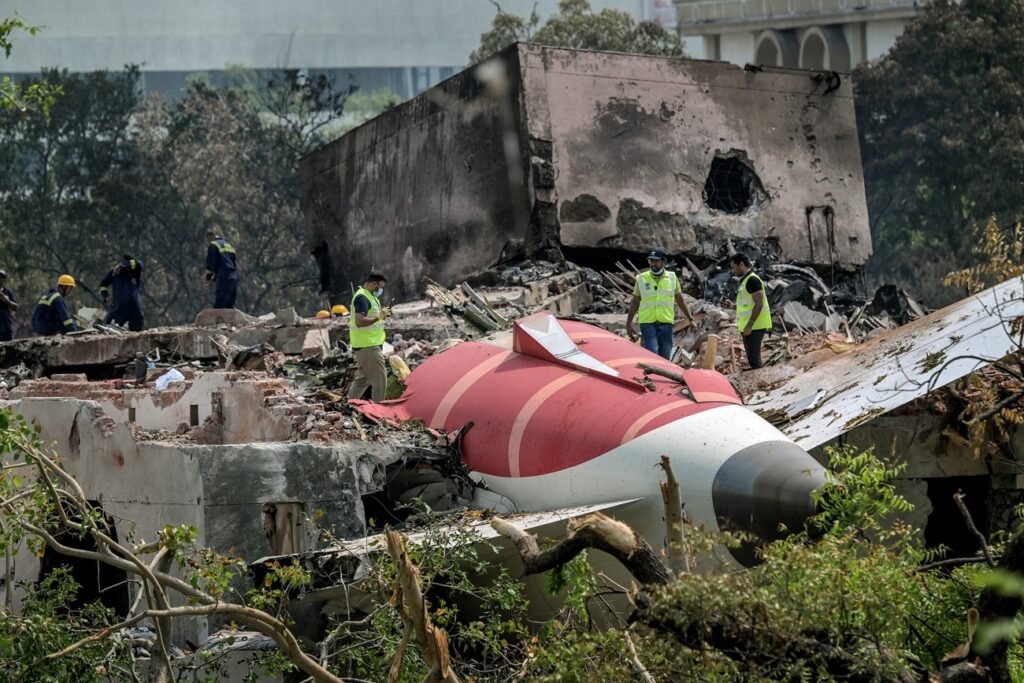
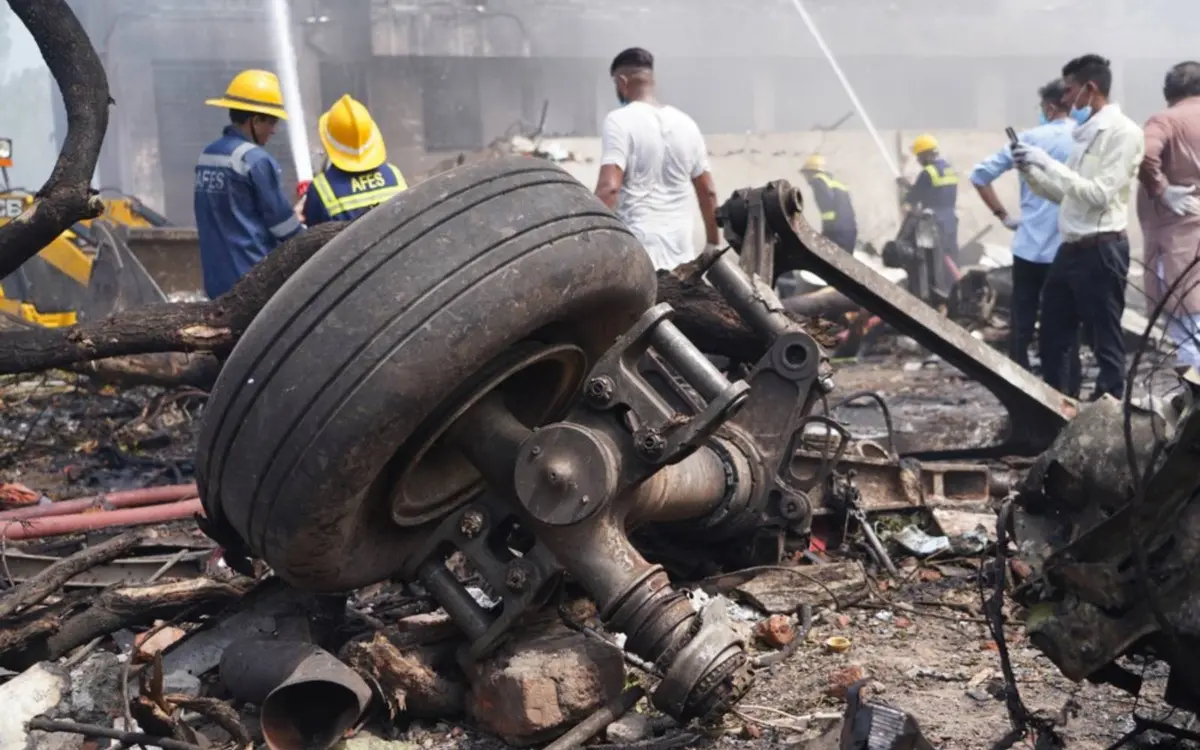
The June 12 accident involved a Boeing 787-8 Dreamliner en route from Ahmedabad to London. The aircraft crashed minutes after takeoff, killing 241 of the 242 people on board, along with 19 individuals on the ground. It ranks among the deadliest aviation tragedies in India in recent years.
Following the release of the AAIB report, India’s DGCA moved swiftly to mandate inspections across all affected aircraft in the country, citing safety concerns even though Boeing had stated that the fuel switch locks were not inherently faulty.
“The DGCA is closely monitoring developments, and in view of the Special Airworthiness Information Bulletin (SAIB) issued by the US Federal Aviation Administration, all operators of the affected aircraft must complete the inspection by July 21,” the agency said in a statement.
The FAA’s bulletin recommended operators inspect the locking mechanisms of fuel switches to ensure they cannot be moved unintentionally during critical flight operations. Though the FAA did not issue a grounding order, it urged precautionary checks.
Several international and Indian carriers have already begun inspecting their fleets in compliance with the SAIB. Indian aviation regulators confirmed that these voluntary actions were acknowledged and welcomed.
Meanwhile, Air India CEO Campbell Wilson urged for caution in speculating about the crash’s cause. In a letter to staff on Monday, Wilson acknowledged the seriousness of the ongoing investigation and said it was too early to draw conclusions. “Premature conclusions serve no one,” he wrote.
As authorities continue to piece together the final moments of the doomed flight, the focus has turned to mechanical systems that may have contributed to the fatal incident. Investigators are expected to release a more comprehensive report in the coming months.
The tragedy has cast a shadow over India’s civil aviation sector, which has seen rapid expansion in recent years. It also places renewed scrutiny on Boeing’s safety record, following a series of incidents globally involving various models of its aircraft.
What you should know
India’s DGCA has ordered inspections of Boeing fuel switch locks following a deadly Air India crash. The move follows early findings showing that fuel switches may have moved unintentionally. Investigations are ongoing, and inspections must be completed by July 21.