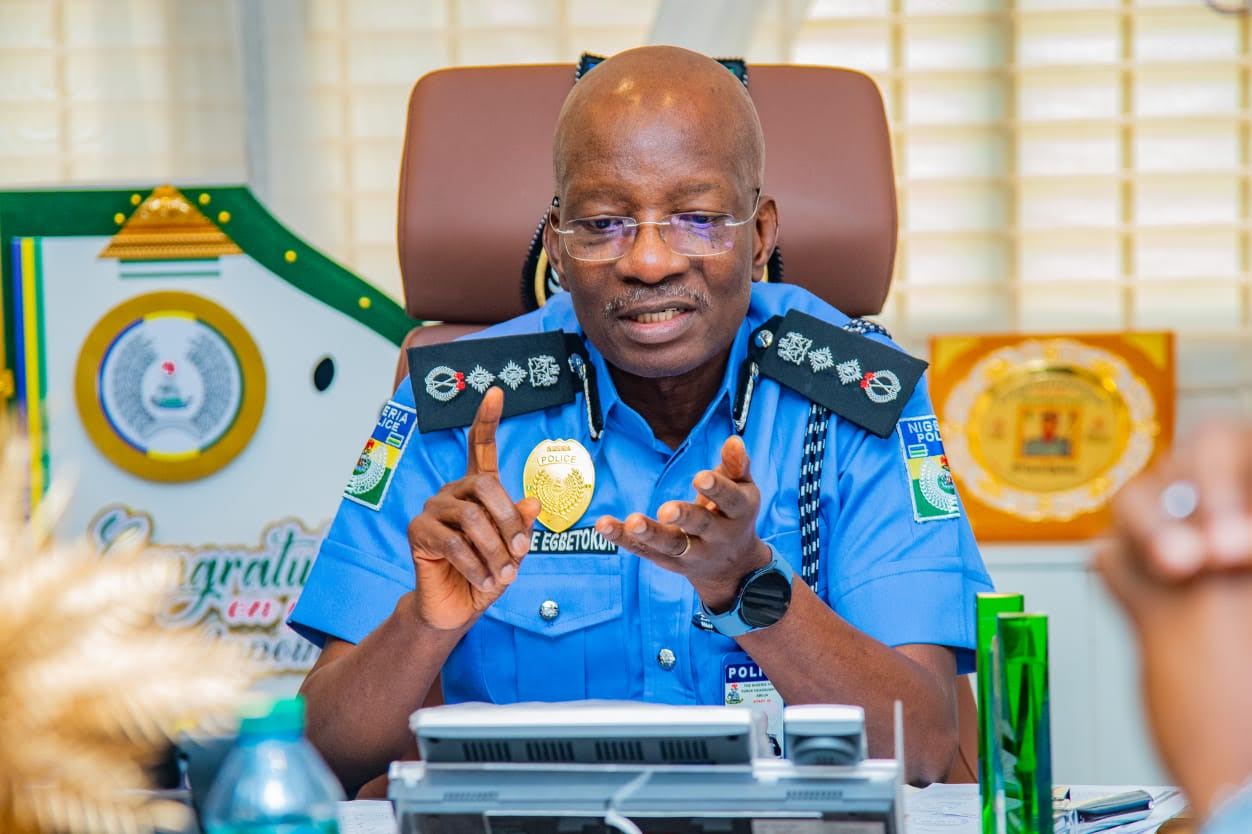
The Inspector-General of Police, Kayode Egbetokun, has clarified that the 52 suspects arrested during the recent protests in Ekpoma, Edo State, were taken into custody for alleged acts of looting and vandalism, not for participating in a peaceful demonstration.
Egbetokun made the clarification in a video shared on the official Force X handle, where he dismissed claims circulating online that the suspects were arrested simply for protesting.
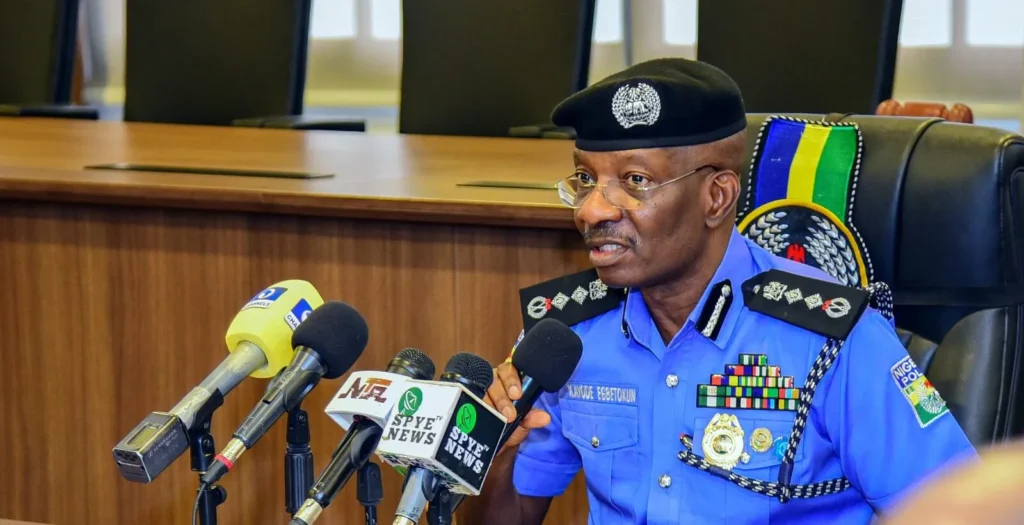
According to him, intelligence reports indicated that those arrested were directly involved in criminal activities that occurred during the protest.
“In Ekpoma, yes, 52 of them were arrested during the protest, and those 52, from the report coming to me, are those people who were involved in the looting of shops and the vandalising of the palace of the Enogie of Ekpoma,” the police chief said.
He expressed concern that the police are often blamed whenever violence erupts during protests, even when criminal acts are committed under the guise of demonstrations. Egbetokun stressed that the Nigeria Police Force does not oppose lawful protests and remains committed to protecting citizens who exercise their right to peaceful assembly.
“That’s the usual false narrative against the police. When people have committed criminal offences during protests, we are used to narratives that the police arrested peaceful protesters,” he said.
He added that even in cases where police stations were attacked, officers killed and weapons stolen during protests, the force is still accused of suppressing peaceful demonstrators. “Even those who burnt down police stations, murdered policemen, stole our arms during protests, Nigerians will accuse us that we are arresting people who are on peaceful protest,” he said.
Egbetokun reiterated that the police have no reason to target citizens who protest peacefully. “In the case of Ekpoma, of course, the police will not go after anybody who participated in a peaceful protest. We are not against peaceful protest. We have made this clear many times and we continue to say it, that the police will not stop anybody who comes out for peaceful protest. If you want to come out for peaceful protest, what’s our business? We will protect you,” he stated.
However, he warned that the police would not tolerate criminal behaviour during protests, noting that violence and destruction of property remain unacceptable. “Peaceful protest is not a challenge to the police. It is those people who want to perpetrate crime, carry out violence, destroy property and loot shops during protest. Those are the ones we have problems with,” he said.
He further emphasised that the Ekpoma arrests were based on criminal allegations and not an attempt to silence dissent. “That was the report I have, not arrest and detention of peaceful protesters. No. That’s the usual wrong narrative that we are used to in Nigeria. So I debunk that,” Egbetokun added.
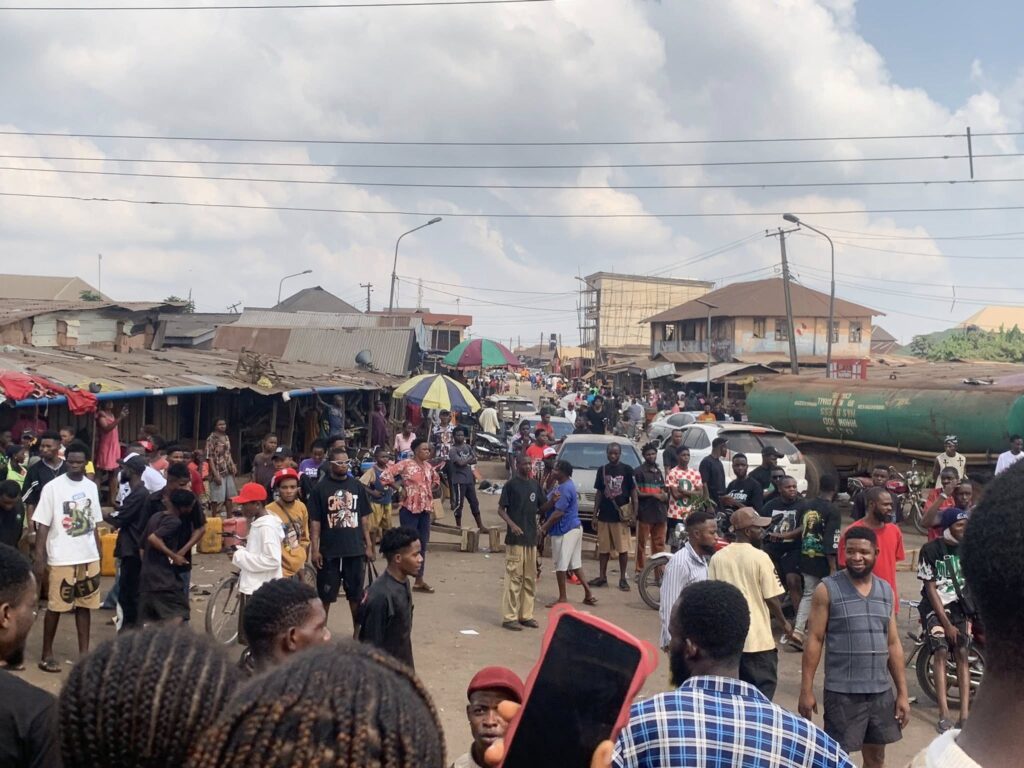
The protests in Ekpoma were triggered by growing concerns over rising cases of kidnapping in the town and surrounding communities. Residents took to the streets, marching along major roads with placards while calling on the government to urgently address insecurity in the area.

The demonstration, however, turned violent on January 10, with reports of vandalism and looting of shops and other properties. Several demonstrators, including students of Ambrose Alli University, Ekpoma, were subsequently arrested by security operatives.
Following the incident, a Federal High Court in Edo State ordered the remand of 52 protesters over allegations of malicious damage and armed robbery connected to the protest against kidnapping in Ekpoma, Esan West Local Government Area. The students of Ambrose Alli University who were remanded in connection with the protest have since been released.
What you should know
The Ekpoma protest began as a peaceful demonstration against kidnapping but later descended into violence, prompting police intervention.
The Nigeria Police insist that arrests were based on alleged criminal acts, not participation in lawful protests.
The case has renewed debate on protest-related arrests and the fine line between peaceful demonstrations and criminal conduct in Nigeria.