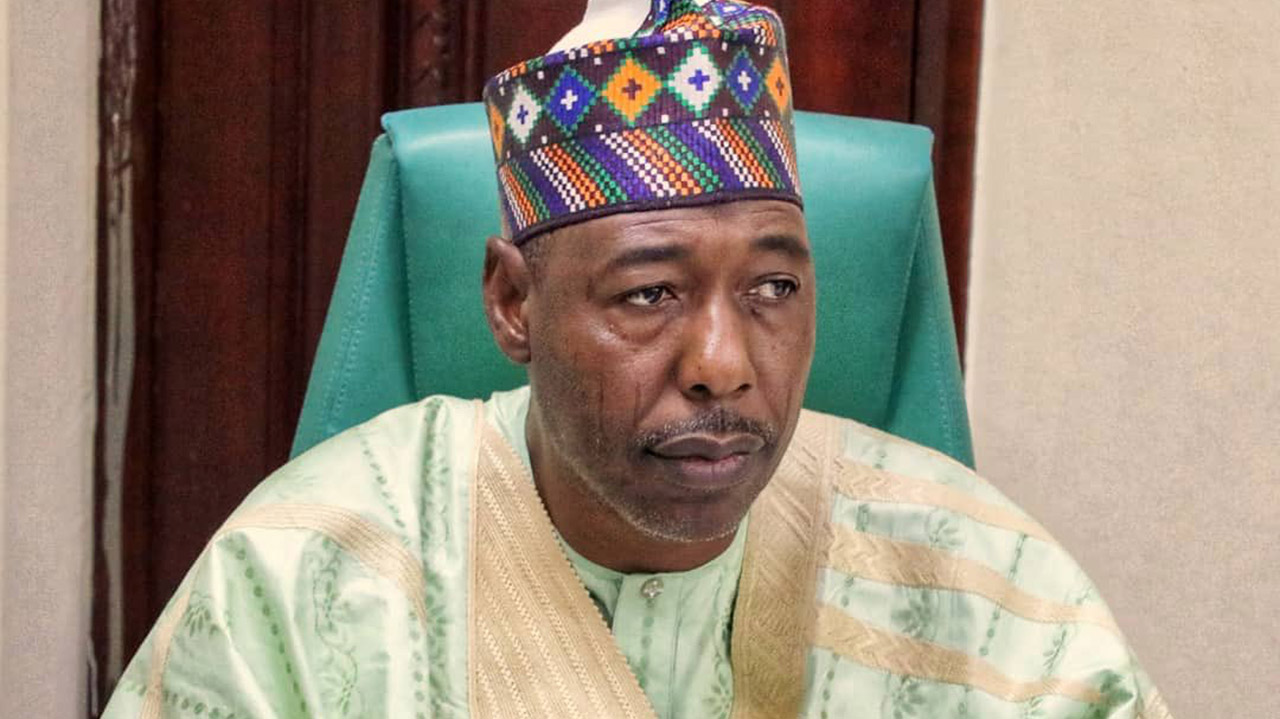
Hungarian police have barred an upcoming Pride march planned for next month in the southern city of Pecs, but organisers have declared that they will not be “silenced” and intend to move forward with the event despite the ban.
The decision follows Prime Minister Viktor Orban’s government’s ongoing clampdown on LGBTQ rights, which has already seen Budapest Pride prohibited in June. That ban, however, was met with record defiance, as more than 200,000 people marched in support of the LGBTQ community.

Authorities announced late Friday that the October 4 Pecs Pride parade would not be permitted. Pecs Pride is regarded as the country’s only major annual LGBTQ march outside Budapest. Police cited new constitutional amendments and legal changes enacted this year, which criminalise assemblies deemed to promote homosexuality, as the basis for their decision.
Orban has consistently defended such measures under the banner of “child protection,” framing them as safeguards for Hungarian families. Critics, however, argue that these policies represent an aggressive assault on LGBTQ rights within the European Union.
In response, organisers from the Diverse Youth Network condemned the prohibition as “a severe blow to the LGBTQ community” but stressed their determination to press ahead on the original date. “We refuse to be silenced. We will not be intimidated. We will not allow our rights to be trampled,” the group stated.
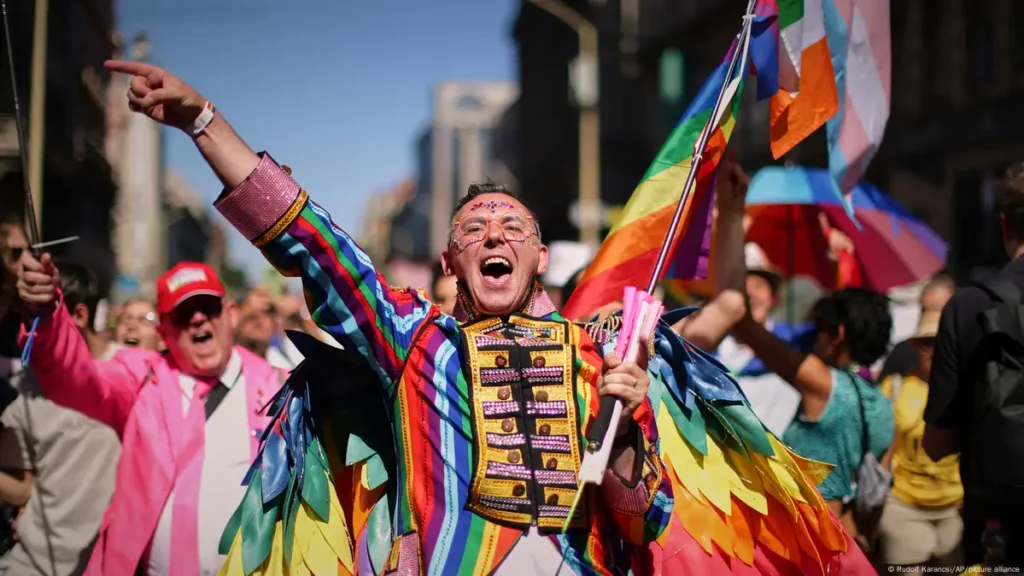
The earlier ban on Budapest Pride had drawn widespread condemnation from European leaders, who viewed it as a serious rollback of fundamental freedoms. Yet, the record turnout in June demonstrated significant grassroots resistance to Orban’s policies.
While police have so far refrained from taking legal action against participants, authorities are pursuing other measures. Last month, Budapest’s mayor was formally questioned as a suspect over his role in organising the capital’s parade. If found guilty, he could face up to a year in prison.
What You Should Know
Hungary’s tightening laws against LGBTQ rights, spearheaded by Prime Minister Viktor Orban, have sparked growing tensions with the European Union and ignited resistance within the country.
The ban on Pecs Pride underscores the government’s determination to restrict LGBTQ expression, while the defiance of organisers and record participation in Budapest’s march show the resilience of the movement despite legal threats.