
Nigeria’s Minister of Communications, Innovation and Digital Economy, Bosun Tijani, has outlined how the Federal Government is deploying telecommunications infrastructure and technology to confront the country’s worsening security challenges, explaining that the problem is far more complex than it often appears to the public.
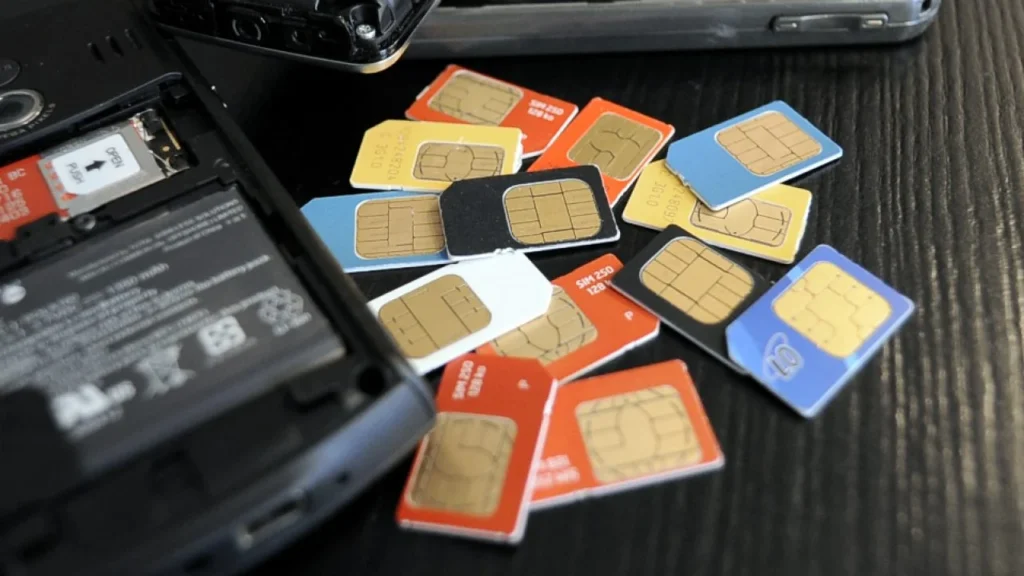
The minister said the telecommunications sector has remained under intense scrutiny since 2020, when the government enforced the compulsory linkage of National Identification Numbers with SIM cards. That policy was introduced to reduce fraud, anonymous communication, and criminal activities carried out through unregistered phone lines.

Speaking during an interview on Channels Television’s Politics Today on Friday, Tijani acknowledged public concern over incidents of kidnapping and ransom negotiations that are reportedly conducted through unregistered SIM cards. He explained that telecom operators had earlier carried out a comprehensive cleanup of SIM registrations, but security agencies later discovered that criminals were deploying more sophisticated methods.
“There was an exercise that was conducted by the telcos to clean out all SIMs. The reason the President pushed us to invest in towers in those areas was the fact that we realised there was a special type of technology they [criminals] were using to call,” he said.
According to Tijani, some criminal groups have adapted by relying on technologies that allow calls to be routed across multiple network towers, making tracking more difficult. He noted that this technique is especially effective in isolated regions with limited or unstable connectivity.
“They were not using the normal towers; they bounce calls off multiple towers. That’s why they enjoy living in areas that are unconnected,” the minister added.
To close these gaps, Tijani said the government is pursuing a broad connectivity strategy that combines satellite upgrades with fibre-optic expansion. He disclosed that Nigeria currently stands as the only country in West Africa operating its own communication satellites, a capability the government is now working to reinforce.
“This is why we are upgrading our two satellites, so that if our towers are not working, our satellites will work,” he said, noting that the upgrades are designed to ensure communication resilience even in hard-to-reach areas.
As part of the same effort, the minister confirmed plans to roll out 4,000 new telecommunications towers across underserved rural communities. He explained that these towers would help eliminate network blind spots often exploited by kidnappers and illegal SIM operators, while also improving surveillance and economic activity in those regions.
“It is why we are investing in fibre, it is why next year this project will start. We are doing it with Huawei, 4000 towers in rural areas,” Tijani said.
He added that the initiative, which received approval from the Federal Executive Council last Wednesday, is expected to significantly strengthen rural connectivity, support commercial growth, and enhance security monitoring in areas currently without reliable network coverage.
Addressing questions on the timeline for the satellite upgrades, Tijani said satellite deployment forms the third phase of the connectivity plan and would take longer to complete compared to the other components.
“That one will take longer than the other two. The other two are well in progress,” he stated.
The minister also revisited earlier measures taken during periods of severe insecurity, including the decision by the Nigerian Communications Commission in September 2021 to suspend telecom services in Zamfara State. At the time, the shutdown was justified as a security measure aimed at disrupting bandit communications.
The then Commissioner for Information in Zamfara State, Ibrahim Dosara, had said the military campaign against bandits was recording notable success following the network shutdown.
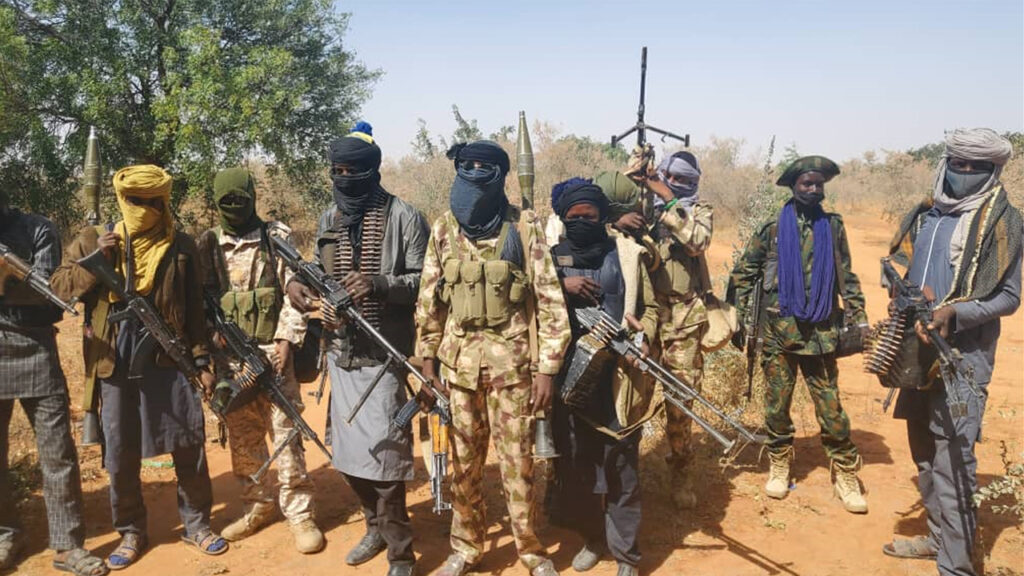
“Zamfara State Government, in efforts to ensure the crushing of the bandits, has requested the closing down of all networks in the state, and this has been effective. The security officials are finding it very easy to deal with the bandits in their enclaves in the forests,” Dosara said during a press briefing.
However, in October 2021, the Zamfara State Government approved the partial restoration of telecom services within the Gusau metropolis. Authorities explained that the move followed progress in the fight against banditry and was necessary to reduce economic and administrative hardship for residents and businesses in the state capital.
What you should know
Nigeria’s strategy to combat insecurity through telecommunications focuses on closing connectivity gaps that criminals exploit.
Beyond SIM registration policies, the government is investing heavily in infrastructure, including fibre networks, rural telecom towers, and satellite upgrades. Officials believe improved coverage will reduce anonymous communication, enhance surveillance, and limit the ability of criminal groups to operate in isolated areas.
While short-term measures like network shutdowns have been used in the past, current efforts aim at long-term solutions that balance security needs with economic and social activity.