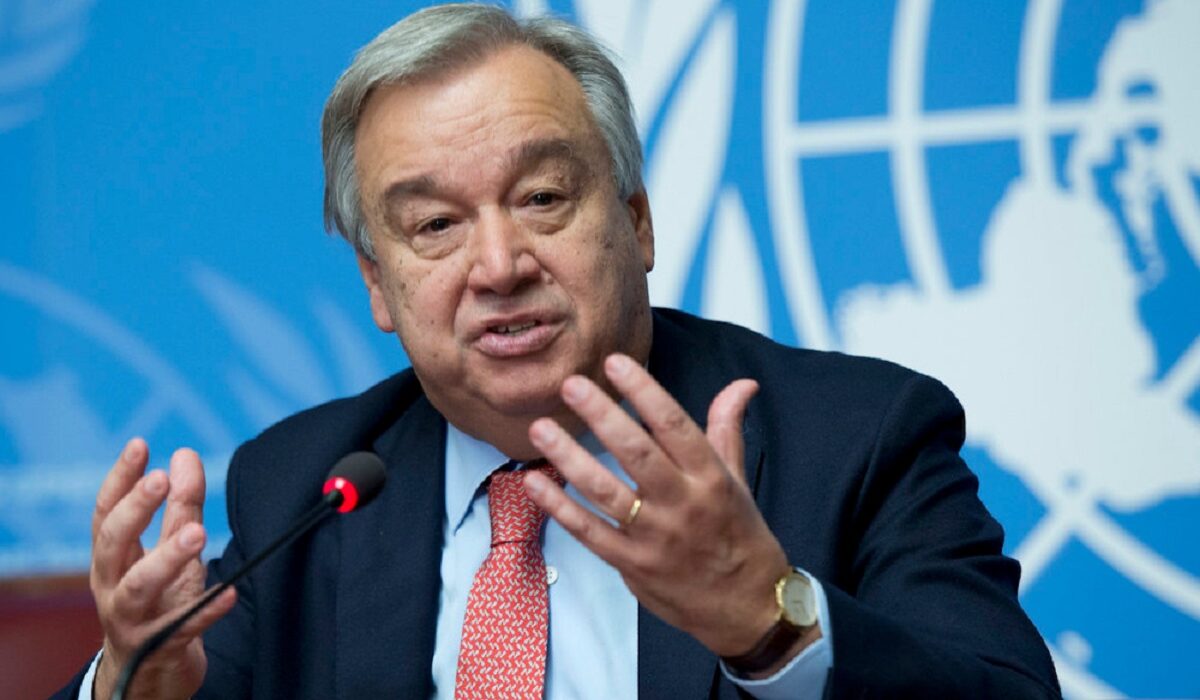
United Nations Secretary-General Antonio Guterres has declared that Africa possesses all it needs to become a “renewable superpower,” urging stronger global investment in green energy across the continent.
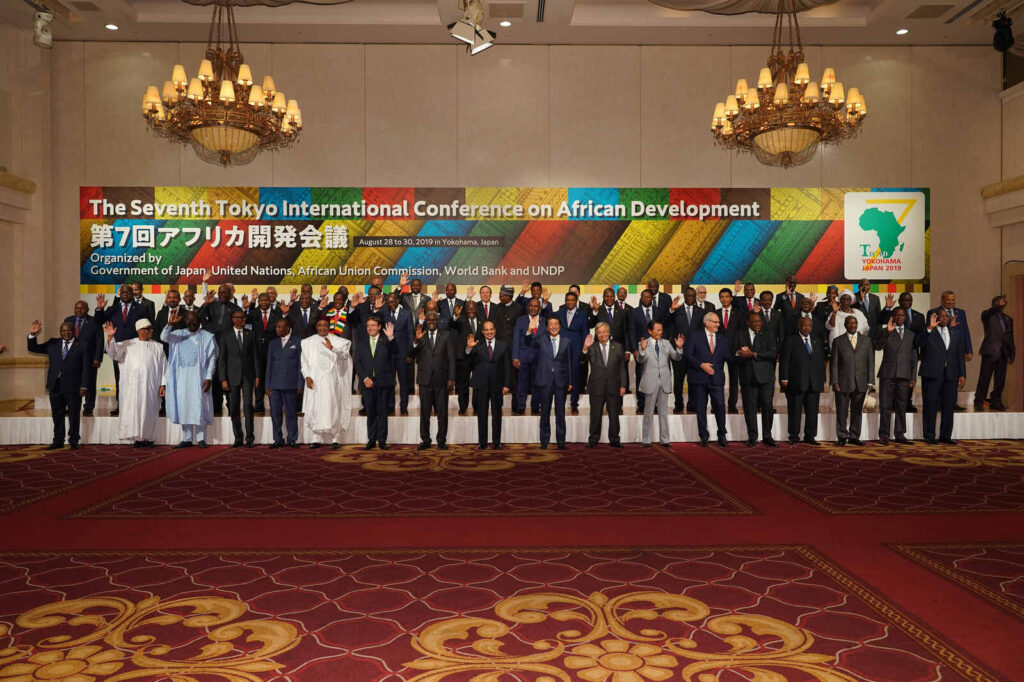
Guterres made this call during a three-day development summit in Japan, attended by several African heads of state. The Tokyo International Conference on African Development (TICAD) saw Japan present itself as a strategic partner for Africa, offering an alternative to China at a time when African nations face deepening debt crises caused by reduced Western aid, ongoing conflicts, and climate challenges.
According to Guterres, Africa’s vast natural resources must be harnessed to benefit its people. He stressed the importance of financial and technological support to help the continent develop a robust renewable energy sector and a strong manufacturing base. “Green power in Africa lowers energy costs, diversifies supply chains and accelerates decarbonisation for everyone,” he told participants in Yokohama.
Over the past decade, China has poured billions into Africa, financing railways, roads, seaports, and other major infrastructure projects through its Belt and Road Initiative. However, recent years have seen a decline in lending, leaving many developing nations struggling under what the Lowy Institute, an Australian think tank, described in May as a “tidal wave” of debt owed to both China and private international lenders.
Africa’s financial strain has also been worsened by sharp cuts in Western assistance, particularly after US President Donald Trump dismantled key parts of the United States Agency for International Development (USAID).
In his remarks, Guterres emphasized that “debt must not drown development” and urged the international community to provide more concessional loans and expand the lending capacity of multilateral development banks. He also highlighted the urgent need for investment in climate-friendly solutions, noting Africa’s abundance of solar, wind, and critical minerals essential for powering modern technologies.
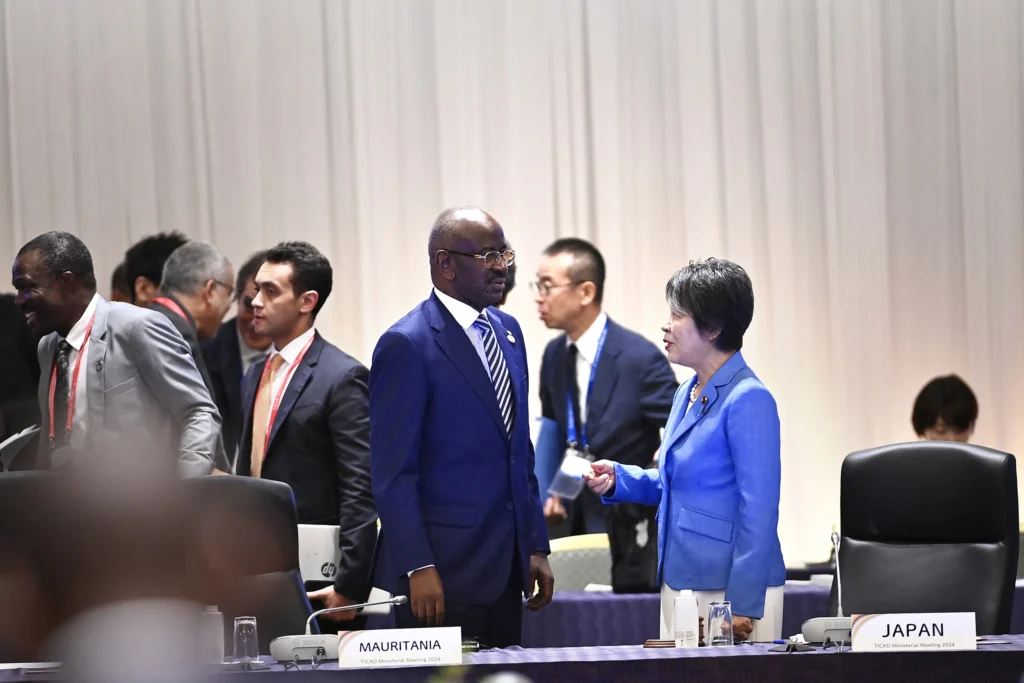
Among the notable leaders at TICAD were Nigerian President Bola Tinubu, South African President Cyril Ramaphosa, and Kenyan President William Ruto. Ruto revealed via the social media platform X that Kenya was in talks with Japanese carmaker Toyota to secure 5,000 “e-mobility vehicles,” aligning with his country’s “commitment to clean energy.”
In his keynote address at the forum’s opening, Japan’s Prime Minister Shigeru Ishiba announced plans to train 30,000 Africans in artificial intelligence within three years and to explore the creation of a Japan-Africa Economic Partnership. Ahead of the event, Ishiba also proposed a new distribution network linking African nations with the Indian Ocean.
Both Tinubu and Ramaphosa emphasized on X that Africa must transition from aid dependency to investment-driven growth, reflecting a broader push for sustainable economic partnerships.
What you should know
Africa is emerging as a central focus of global discussions on renewable energy and sustainable development.
With its rich resources in solar, wind, and critical minerals, the continent is uniquely positioned to play a pivotal role in the global green transition. However, mounting debt, reduced Western aid, and climate-related challenges continue to weigh heavily on its progress.
Leaders at TICAD, including Antonio Guterres and prominent African presidents, stressed that the future lies not in short-term aid but in long-term investment partnerships that empower African nations to harness their natural wealth for economic independence and clean energy leadership.