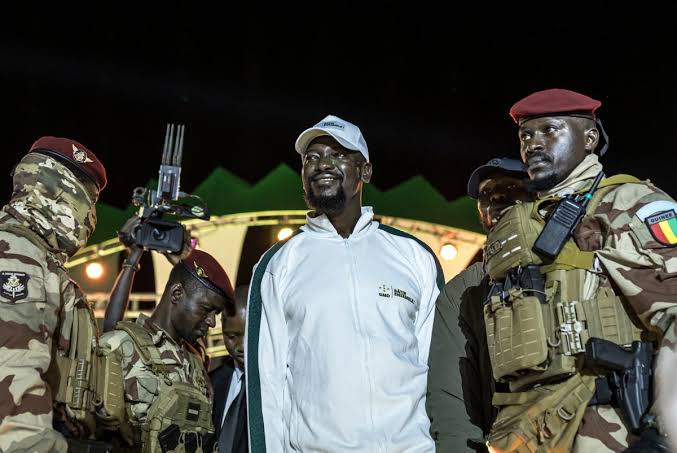
Authorities in Guinea have dissolved 40 political parties, including the country’s three main opposition groups, through a late-night government decree issued less than two months after Mamady Doumbouya was sworn in as president.
Doumbouya, a former junta leader who seized power in 2021, was elected in late December in a vote where several prominent opposition figures were barred from participating.
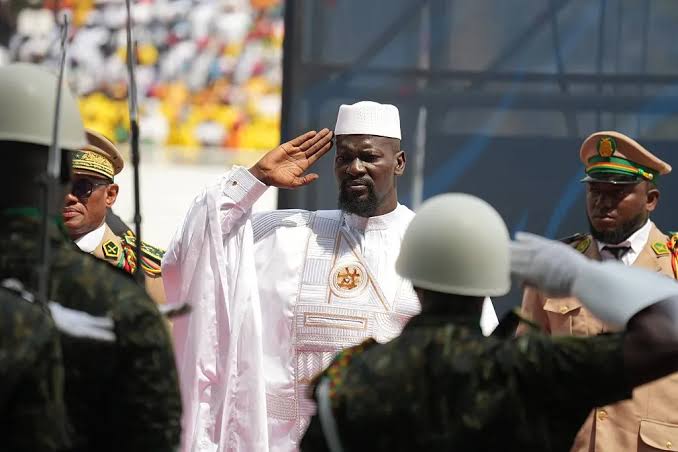
The decision to dissolve the parties was announced by the Ministry of Territorial Administration and Decentralisation, which said the organisations were being disbanded for failing to meet their legal and administrative obligations.
Among the parties affected are Guinea’s three major opposition movements: the Union of Democratic Forces of Guinea led by Cellou Dalein Diallo, the Rally of the People of Guinea associated with former president Alpha Condé, and the Union of Republican Forces.
According to the decree, the dissolution means the affected parties immediately lose their legal status and recognition.
“This dissolution entails the immediate loss of the legal personality and status of the parties concerned,” the order stated.
The directive also bans the groups from carrying out political activities and prohibits the use of their acronyms, logos, emblems, or any identifying symbols.
Additionally, the decree places the parties’ assets under sequestration, with a curator appointed to oversee the management and eventual transfer of those assets. However, authorities did not specify which entity would ultimately take control of them.
Doumbouya, 41, first came to power in 2021 after overthrowing Condé, Guinea’s first democratically elected president.
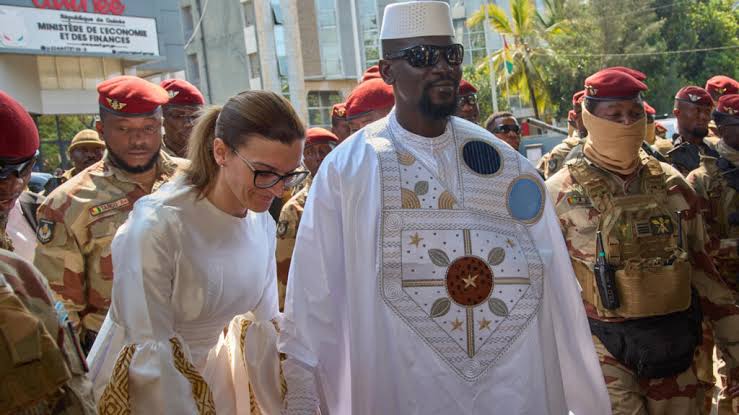
Since assuming power, his administration has faced criticism over restrictions on civil liberties, including bans on protests and actions against political opponents.
Opposition figures have reportedly been arrested, prosecuted, or forced into exile, while human rights groups have raised concerns about alleged disappearances and kidnappings.
Guinea has experienced a long history of military and authoritarian rule since gaining independence in 1958, with political instability frequently shaping the country’s governance.
What you should know
Guinea’s current political landscape has been dominated by military influence since the 2021 coup that brought Mamady Doumbouya to power.
The dissolution of major opposition parties marks one of the most significant political moves since his administration consolidated authority.
Analysts say the decision could reshape the country’s political system and raise further concerns about democratic freedoms and political pluralism in the West African nation.