Summary
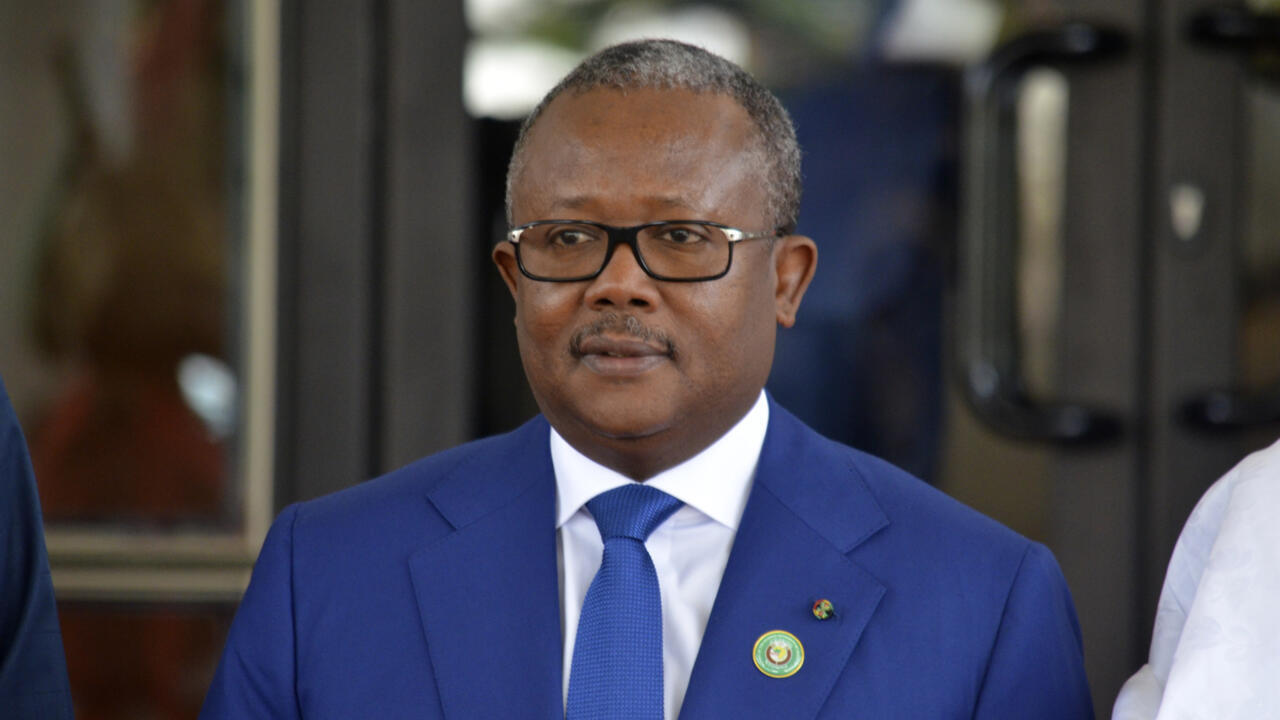
Guinea-Bissau’s political crisis deepened on Thursday as President Umaro Sissoco Embalo departed for Senegal following his detention during a military takeover, according to authorities in Dakar.
His exit came just as a top opposition figure accused him of orchestrating the coup to block the release of election results that could have ousted him.
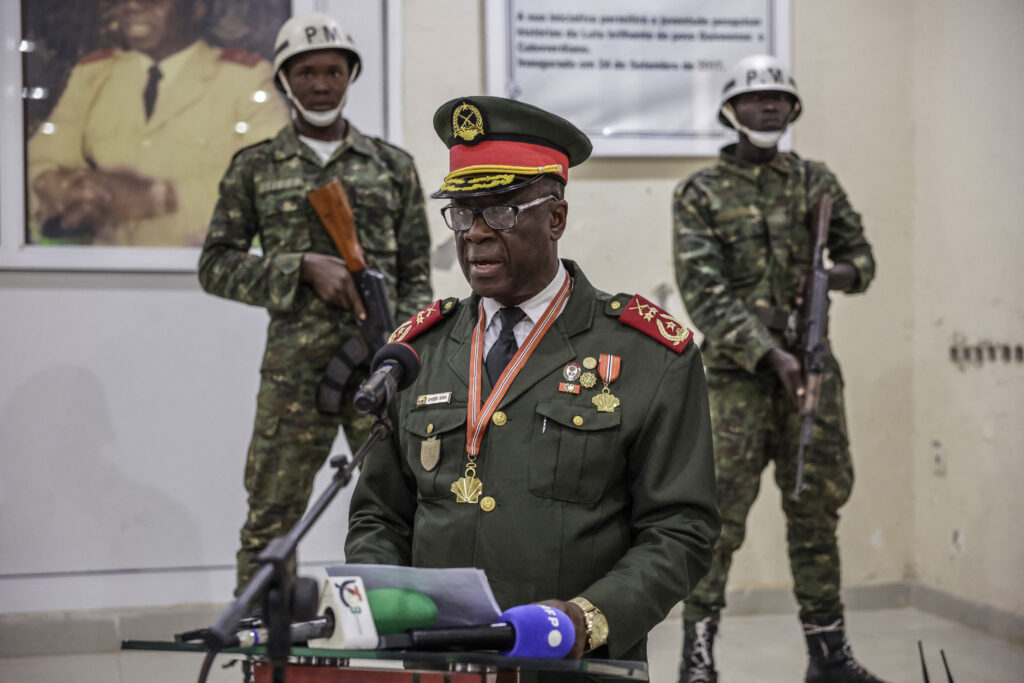
The military, which seized power a day earlier, swiftly appointed a senior general as the country’s new leader. This intervention derailed the expected announcement of provisional outcomes from both the presidential and parliamentary elections.
Opposition candidate Fernando Dias da Costa told AFP that he believed he had won Sunday’s election. He alleged that Embalo, who has publicly insisted he emerged victorious, had “organised” the military operation to prevent a legitimate transfer of power.
Guinea-Bissau, situated between Guinea and Senegal, has long struggled with political instability, enduring four successful coups and numerous attempts since gaining independence from Portugal in 1974. Disputed election results have been a recurring feature of its turbulent history.
UN Secretary-General Antonio Guterres condemned the events as “an unacceptable violation of democratic principles” and urged an “immediate and unconditional restoration of constitutional order,” according to his spokesperson.
This latest power grab marks the tenth coup in Africa in the last five years, following similar upheavals in countries such as Mali, Guinea, Sudan, Burkina Faso, Niger, Gabon and, most recently, Madagascar.
Embalo’s arrival in Senegal was confirmed by the country’s foreign ministry, which said he travelled aboard a military aircraft arranged by the government.
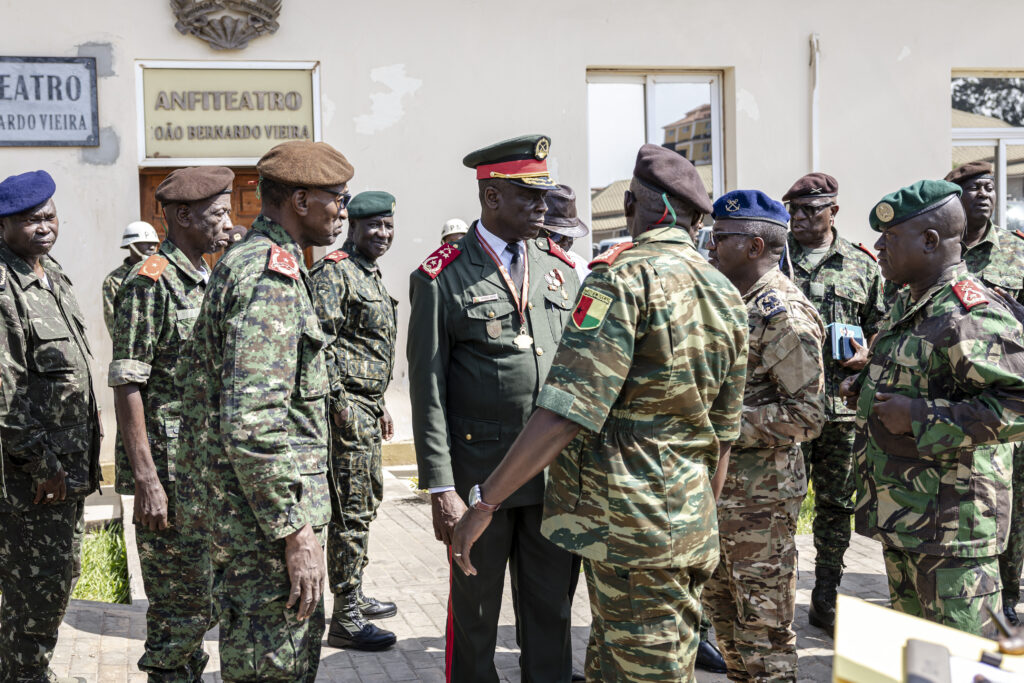
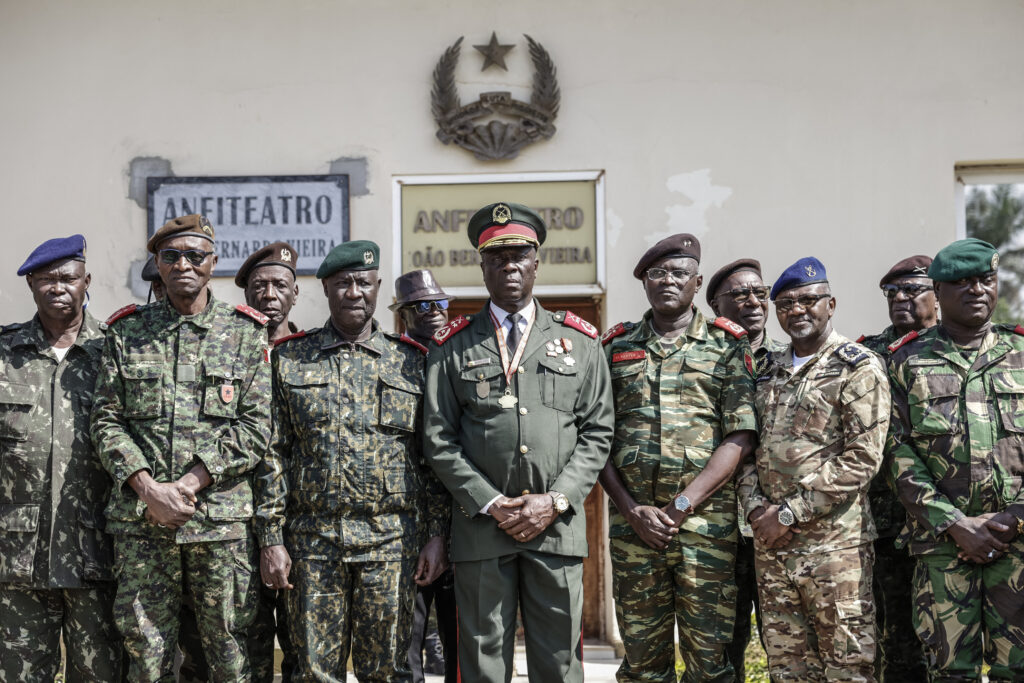
The coup took place just hours before electoral authorities were set to release provisional results. In the aftermath, General Horta N’Tam, the army’s chief of staff, was appointed to lead the country for a year. He has, in recent years, been viewed as close to Embalo.
“I have just been sworn in to lead the High Command,” he announced after taking the oath of office at military headquarters on Thursday.
Meanwhile, Dias, speaking from hiding, claimed he had escaped when armed men stormed his campaign office. He insisted he was the rightful president-elect, estimating that he secured around 52 percent of the vote. He argued that “There wasn’t a coup” and maintained the situation had been “organised by Mr Embalo”.
Domingos Simoes Pereira, a key opposition figure who backed Dias after being barred from contesting, was also taken into custody on Wednesday.
In another major shift within the security establishment, the military appointed General Tomas Djassi, formerly Embalo’s personal chief of staff, as the new head of the armed forces.
Across Bissau, the capital was largely shut down on Thursday as residents remained indoors and soldiers patrolled the streets. Markets and shops were closed, and the new military government banned “all media programming” and prohibited public protests.
Speaking to journalists while surrounded by heavily armed troops, N’Tam said the military acted “to block operations that aimed to threaten our democracy.” He insisted that evidence supporting the intervention was “sufficient to justify the operation” and that “necessary measures are urgent and important and require everyone’s participation.”
General Denis N’Canha, head of the presidential military office, stated that the army would maintain control “until further notice” after uncovering what he described as a plot involving “drug lords” and “the introduction of weapons into the country to alter the constitutional order.”
Despite earlier restrictions, soldiers reportedly reopened land, air and sea borders on Thursday. A nationwide curfew was lifted, and the High Command ordered the immediate reopening of schools, markets and private businesses.
Members of the diaspora and regional analysts questioned the motives behind the coup, suggesting that the upheaval could ultimately strengthen Embalo’s political position. Some researchers told AFP that early, unofficial tallies pointed to Dias leading before the military intervened.
One West African researcher argued that the military takeover appeared “aimed at preventing the opposition candidate, Fernando Dias, from seizing power,” adding that the situation could allow Embalo to reassert himself politically after negotiations.
Regional and international bodies swiftly reacted. ECOWAS suspended Guinea-Bissau from its decision-making organs until constitutional governance is restored. The African Union condemned the coup, while the European Union urged a rapid return to democratic order.
On the streets of Bissau, residents expressed frustration. Mamadou Woury Diallo, a soap vendor, summed up the nation’s fatigue: “Every time we feel hopeful about the country, a crisis occurs. This can’t go on.”
What You Should Know
Guinea-Bissau has entered another phase of political turmoil after the military seized power and detained President Umaro Sissoco Embalo.
Opposition candidate Fernando Dias claims he won the election and accuses Embalo of orchestrating the coup to block results.
General Horta N’Tam has taken leadership for one year as regional bodies like ECOWAS and the African Union condemn the takeover and demand a return to constitutional order. The crisis once again highlights the country’s long-standing instability.