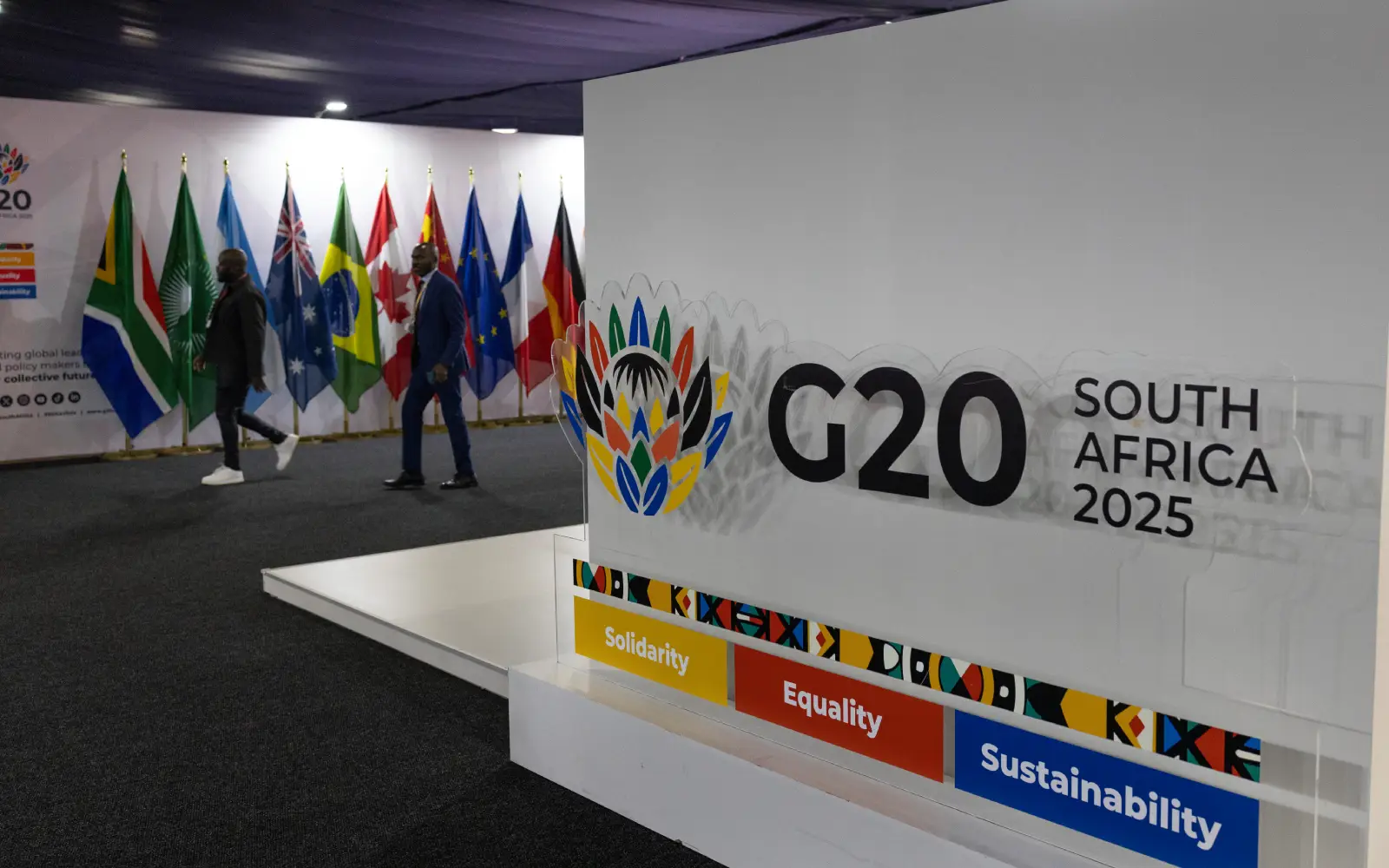
Leaders at the G20 Summit in South Africa concluded their engagements on Sunday with renewed appeals for global cooperation, even as shifting power dynamics, growing geopolitical tensions, and unilateral moves by the United States continued to test the strength of multilateralism.
Canadian Prime Minister Mark Carney warned that the world is experiencing a profound shift that goes far beyond a normal transition.
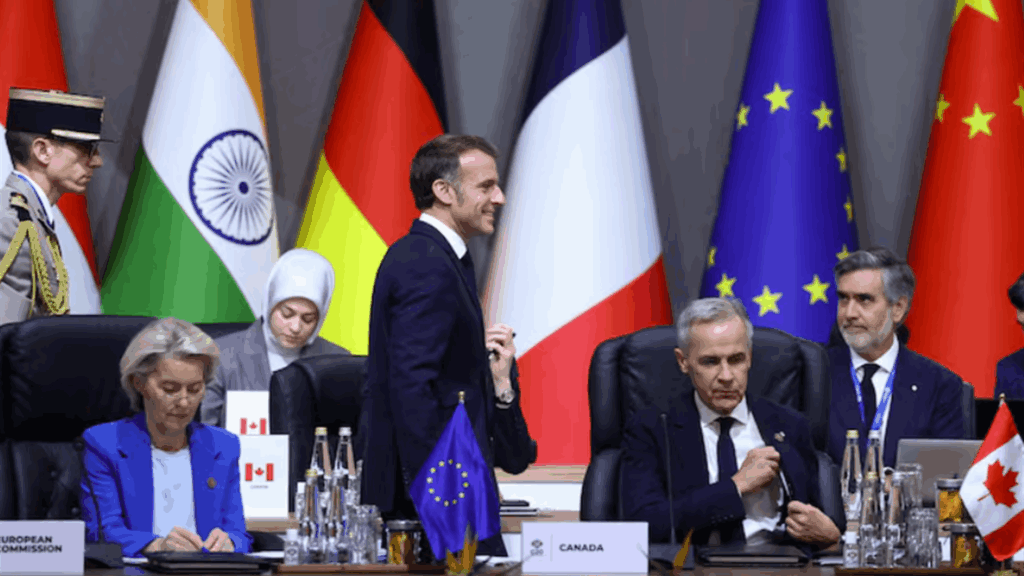
“Too many countries are retreating into geopolitical blocs or the battlegrounds of protectionism,” Carney said. “We are not experiencing a transition, but a rupture.”
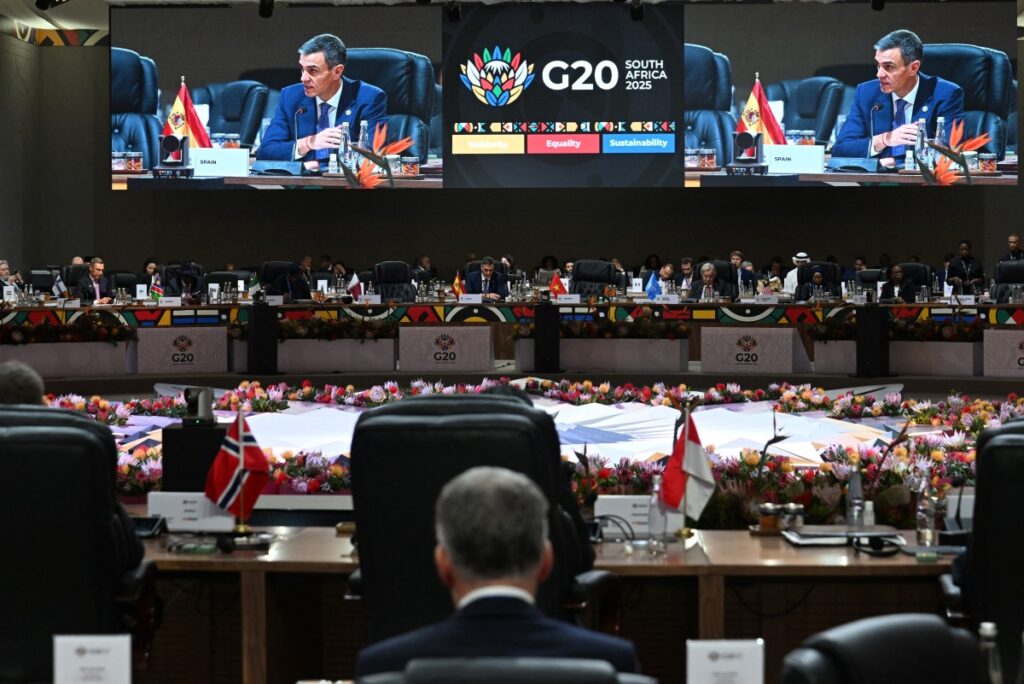
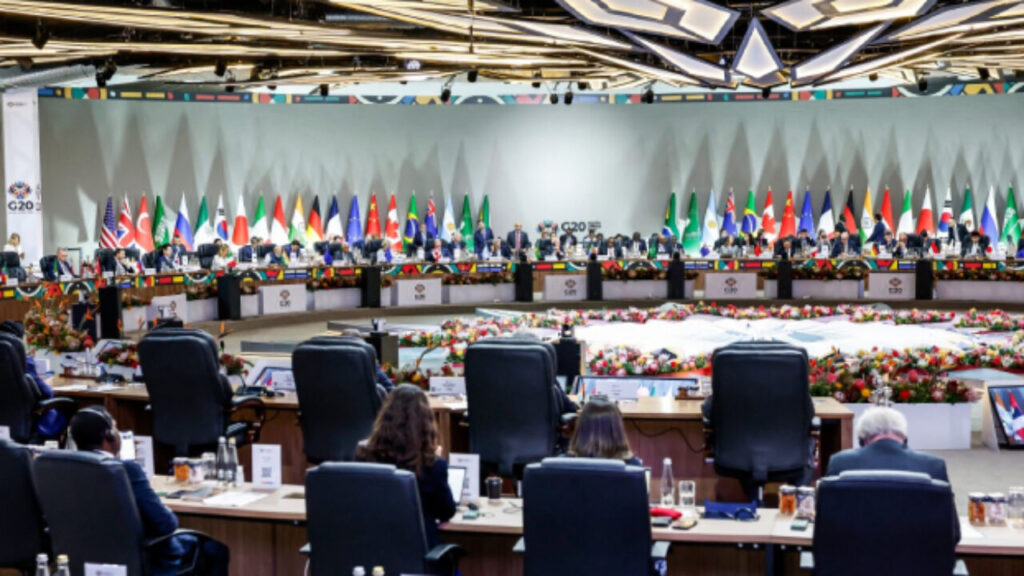
The gathering held without the participation of the United States became a platform for intense reflection on the future of the G20 in a world increasingly defined by conflict and fractured alliances. Leaders spent considerable time evaluating how the bloc can maintain relevance as global cooperation weakens.
South African President Cyril Ramaphosa, who presided over the summit, described the timing of the meeting as critical, noting that demands for decisive action on pressing global issues were growing louder worldwide. He stressed that despite the mounting challenges, leaders were able to reach a joint declaration early in the summit. According to him, the agreement “reaffirms our renewed commitment to multilateral cooperation and our recognition that our shared goals outweigh our differences.”
The summit, the first ever hosted on the African continent, brought together leaders from major economies including China, Europe, India, Japan, Brazil, Turkey and Australia. Their closing statement acknowledged the increasingly unstable global backdrop, referring to “rising geopolitical and geo-economic competition and instability, heightened conflicts and wars, deepening inequality, increasing global economic uncertainty and fragmentation”.
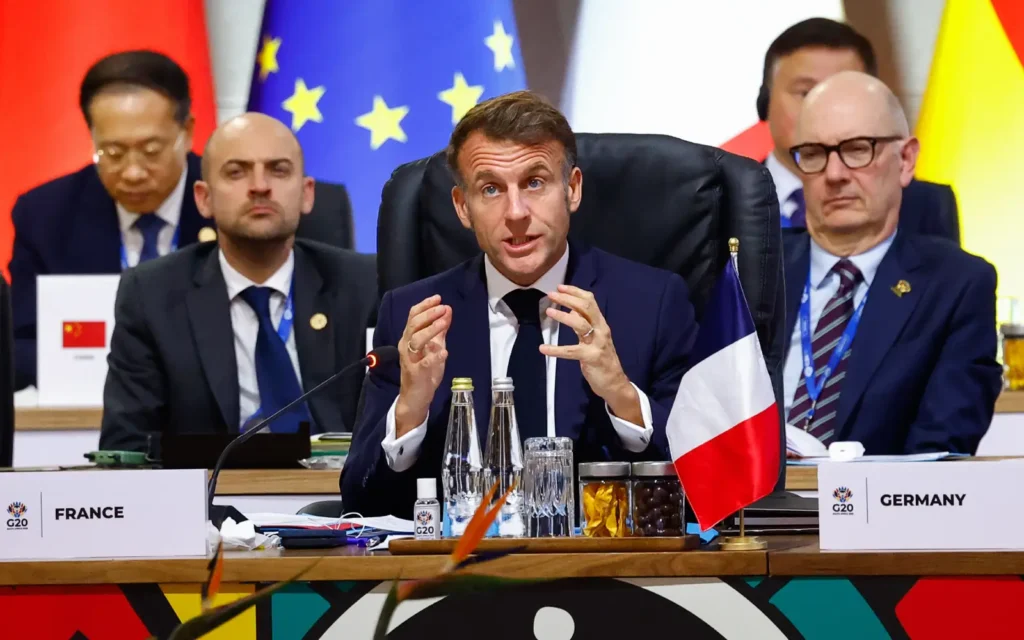
French President Emmanuel Macron remarked on Saturday that “the G20 may be coming to the end of a cycle,” arguing that its future focus may need to narrow to core economic and strategic issues, given escalating difficulties in developing unified positions on international conflicts.
‘New connections’ taking shape
Created after the 1997–1998 Asian financial crisis, the G20’s initial mandate was to strengthen global economic and financial stability. But the absence of the United States, a major global player, cast a shadow on this year’s meeting. Washington dismissed the summit’s agenda, claiming that South Africa’s emphasis on global cooperation, climate action, and trade diverged from its current foreign policy priorities.
Officials from the US also repeated unverified allegations of “white genocide” in South Africa, a position widely discredited by experts and global institutions.
The US is scheduled to host next year’s G20 Summit, with President Donald Trump planning to hold the gathering at one of his private golf resorts in Florida.
Several leaders, including Carney, Ramaphosa, and Brazil’s President Luiz Inacio Lula da Silva, emphasized that emerging economies and developing nations were playing a growing role in shaping the G20’s agenda. Lula was especially vocal, saying global events have shown that efforts to weaken the principles of multilateralism have failed.
“If anyone thought they could weaken multilateralism, these events, both at the COP and here in South Africa, demonstrate that multilateralism is more alive than ever,” he said. He added that while Trump “is trying to practically advocate for the end of multilateralism, strengthening unilateralism,” the collective strength of nations working together remains far greater.
German Chancellor Friedrich Merz also reflected on the US absence, calling it “not a good decision,” though he noted it was ultimately America’s choice. Merz added that what struck him most during the summit was how visibly “the world is currently reorganising itself” and the emergence of “new connections” among nations.
What You Should Know
The 2025 G20 Summit in South Africa highlighted growing fractures in global diplomacy as leaders confronted geopolitical rivalry, ongoing wars and declining international cooperation.
With the United States notably absent, participating nations reaffirmed their support for multilateral engagement and stressed that shared global priorities remain more important than political differences. Leaders from emerging economies and the Global South played a more prominent role, signaling a shift in global influence.
Discussions also underscored fears that the G20 could be losing cohesion, even as many leaders insisted that multilateralism continues to be essential for addressing worldwide economic and security challenges.