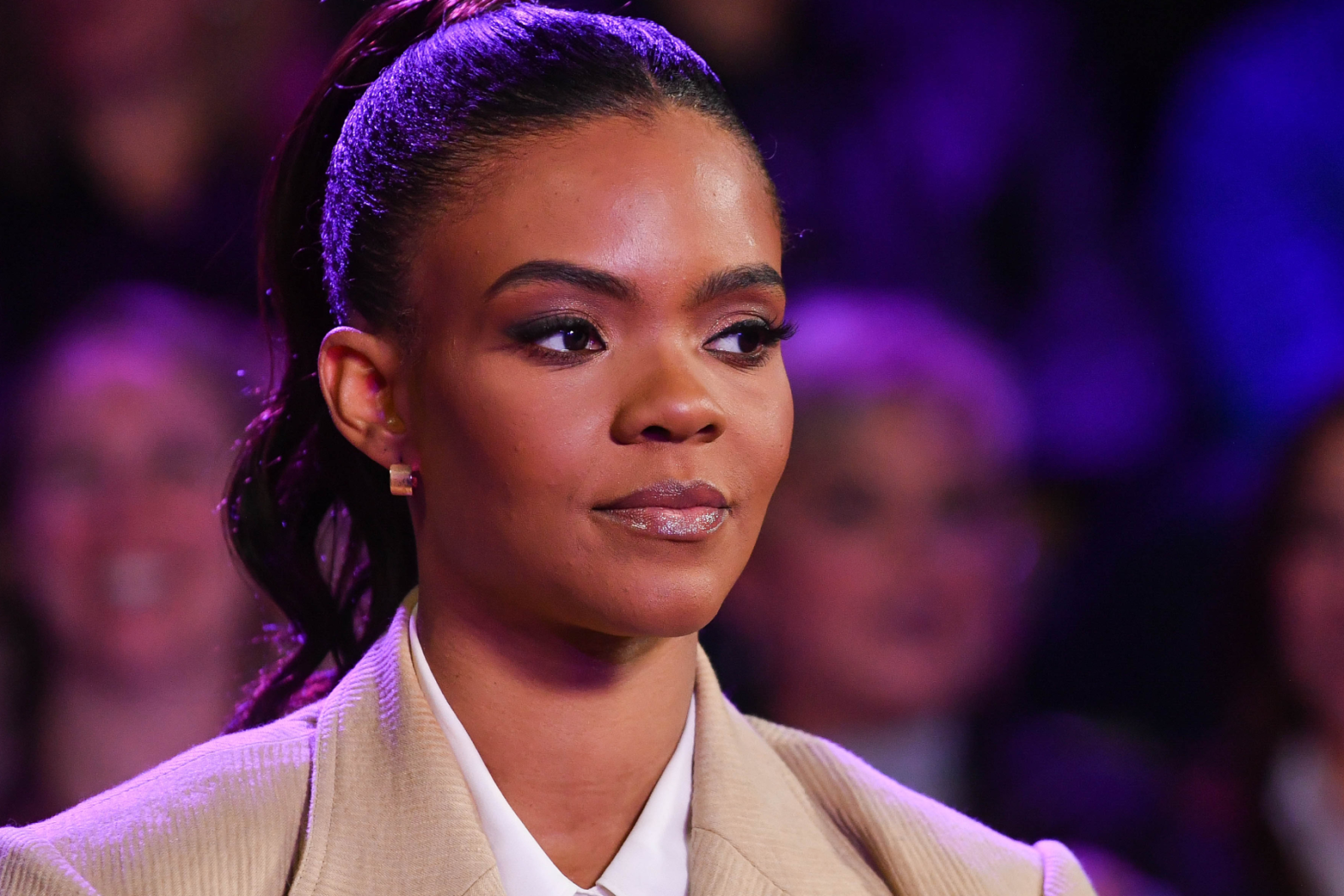
In an unprecedented move that underscores the global reach of digital misinformation campaigns, French President Emmanuel Macron and First Lady Brigitte Macron have filed a defamation lawsuit against American political commentator Candace Owens in Delaware state court, marking a significant escalation in the fight against conspiracy theory proliferation.
The lawsuit, filed on Wednesday, centers on Owens’ sustained campaign promoting false claims about Brigitte Macron’s gender identity—assertions that legal experts say represent a clear-cut case of defamation with potential implications for how international figures pursue remedies against American media personalities.
The controversy began when Owens made an extraordinary public declaration, stating she would “stake [her] entire professional reputation on the fact that Brigitte Macron is a man.” Rather than retreating from this position when presented with contradictory evidence, Owens doubled down, transforming what might have been a single inflammatory comment into a sustained multimedia campaign.
The situation escalated dramatically after the Macrons’ legal team issued formal retraction demands. Instead of complying, Owens launched “Becoming Brigette,” an eight-part podcast series that court documents allege expanded the false narrative beyond gender identity claims to include accusations of identity theft, incest, and other salacious allegations designed to maximize audience engagement and personal profit.
The Macrons’ decision to file suit in Delaware, rather than France, where Brigitte Macron has successfully pursued similar defamation cases, signals a strategic approach to combating international misinformation. Delaware’s business-friendly legal environment and established precedents for handling complex defamation cases make it an attractive venue for high-profile plaintiffs.
Tom Clare, the Macrons’ attorney and co-founder of Clare Locke—the firm that secured a $787.5 million settlement for Dominion Voting Systems against Fox News—brings considerable expertise in media defamation cases. Clare characterized the case as presenting “clear-cut” defamation, noting that Owens built her campaign on “discredited falsehoods originally presented by a self-proclaimed spiritual medium.”
This legal pedigree is significant. Clare Locke’s success against Fox News demonstrated that even major media organizations can be held accountable for promoting false information, potentially setting the stage for similar accountability for individual content creators with large platforms.
The lawsuit emerges amid a wave of defamation actions against right-wing media figures. Just last month, California Governor Gavin Newsom filed suit against Fox News over allegedly deceptive editing of a phone conversation with former President Trump regarding National Guard deployment during Los Angeles protests. This pattern suggests a coordinated legal strategy to combat misinformation through civil litigation.
Owens, who departed The Daily Wire to launch her independent podcast, has cultivated a substantial following—approximately 7 million followers on X (formerly Twitter) and 4.5 million YouTube subscribers. This platform has enabled her to monetize controversial content while insulating herself from traditional editorial oversight that might have constrained her claims.
The case raises complex questions about digital sovereignty and the global reach of American-based content creators. While the First Amendment provides robust protections for speech within the United States, those protections do not extend to defamatory statements about foreign nationals, particularly when such statements can be proven false.
Legal scholars note that the case could establish important precedents for how foreign officials pursue remedies against American media personalities. The Macrons’ statement emphasizing that legal action became “the only remaining avenue for remedy” after exhausting diplomatic and informal approaches suggests frustration with the limited tools available to combat international misinformation campaigns.
Court filings suggest that Owens’ campaign was deliberately designed to “maximize attention and financial gain.” This allegation points to a broader phenomenon in digital media where controversial content generates higher engagement rates, leading to increased advertising revenue and subscriber growth.
The monetization of conspiracy theories represents a significant challenge for platform governance and content moderation. While social media companies have implemented various measures to combat misinformation, individual creators with large followings can often circumvent these restrictions through coded language, alternative platforms, or direct subscriber models.
The lawsuit documents Owens’ recent involvement in other high-profile controversies, including her defense of director Justin Baldoni in his legal dispute with Blake Lively and her attempts to exonerate Harvey Weinstein. This pattern suggests a systematic approach to generating attention through contrarian positions on sensitive topics.
Brigitte Macron’s previous success in French defamation cases against similar false claims indicates that the current lawsuit builds on established legal precedent. However, pursuing remedies across international boundaries presents unique challenges, particularly when targeting American content creators protected by expansive free speech protections.
The outcome of this case could significantly influence how international figures address defamatory content produced by American media personalities. A successful judgment for the Macrons might encourage other foreign officials to pursue similar remedies, potentially reshaping the landscape for controversial content creators.
Conversely, a victory for Owens could embolden other commentators to target international figures, confident that American free speech protections provide effective insulation from foreign defamation claims.
As this case proceeds through Delaware’s court system, it will likely generate significant attention from media law experts, free speech advocates, and international relations scholars. The intersection of American constitutional protections, international defamation law, and digital platform governance creates a complex legal environment with few clear precedents.
The Macrons’ willingness to pursue expensive international litigation demonstrates the seriousness with which they view threats to personal reputation in the digital age. For content creators like Owens, the case serves as a reminder that global reach brings global accountability, regardless of domestic legal protections.
The case is expected to proceed through discovery phases that could reveal additional details about Owens’ content strategy and revenue models, potentially providing insights into the broader ecosystem of controversy-driven digital media. Given the high-profile nature of the parties involved and the international implications, legal observers anticipate significant media coverage as the case develops.
WHAT YOU SHOULD KNOW
French President Emmanuel Macron and First Lady Brigitte Macron are suing American commentator Candace Owens for defamation over her false claims that Brigitte Macron is transgender—and this case could reshape how international figures fight back against conspiracy theories spread by American media personalities.