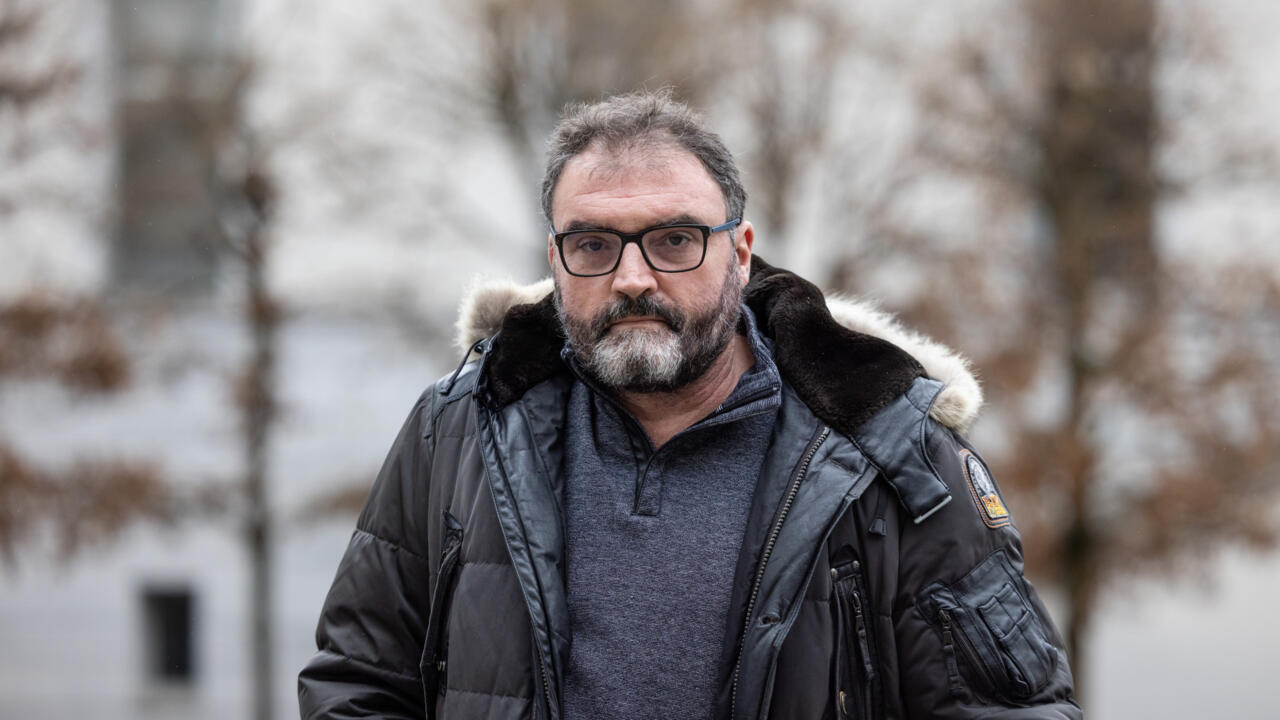
A French anaesthetist, Dr. Frederic Pechier, went on trial Monday over accusations of deliberately poisoning 30 patients, 12 of whom died, during routine medical procedures between 2008 and 2017.
Pechier, 53, who worked at two clinics in Besançon, is alleged to have tampered with anaesthesia pouches and paracetamol bags, causing sudden cardiac arrests in both children and adults. Prosecutors claim his motive was to showcase his resuscitation skills and undermine colleagues. His youngest alleged victim, a four-year-old identified as Teddy, survived two cardiac arrests during a tonsil surgery in 2016, while his oldest alleged victim was 89.
Speaking to broadcaster RTL before the trial opened, Pechier struck a defiant tone: “It’s necessary to lay all the cards on the table,” he said, insisting he had “strong arguments” for his defence. On the distress of victims’ families, he responded: “I understand it completely, but on the other hand, I am not responsible for their distress.”
The investigation, launched in 2017 after a series of unexplained operating room emergencies, found over 70 suspicious cases, with 30 brought to trial. Prosecutor Etienne Manteaux described the case as “unprecedented in French legal history”.
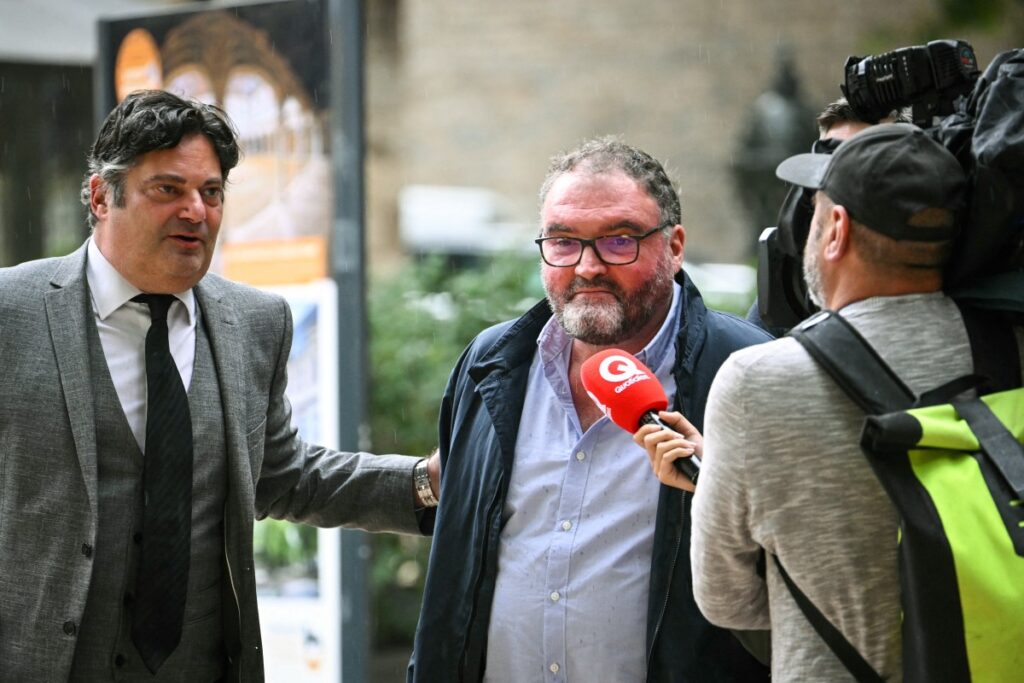
Pechier, who has been banned from practising medicine, faces life imprisonment if convicted. He remains under judicial supervision rather than in detention. He has long denied the allegations, blaming most complications on “medical errors” by colleagues.
Colleagues gave mixed impressions of him: some praised him as a “star anaesthetist,” while others branded him arrogant and manipulative. A psychological evaluation in 2019 described him as having a “controlling personality” with “perverse traits.”
More than 150 civil parties, including a national anaesthetists’ union, are part of the trial. Lawyers say the hearings, expected to last until December, will be highly technical and emotionally charged.
What you should know
Dr. Frederic Pechier, once regarded as a skilled anaesthetist in France, is accused of orchestrating medical crises by poisoning patients during surgeries.
With 12 deaths linked to the case, prosecutors argue his actions were aimed at boosting his reputation and discrediting colleagues. If found guilty, he could face life imprisonment, marking one of the most shocking trials in French medical history.