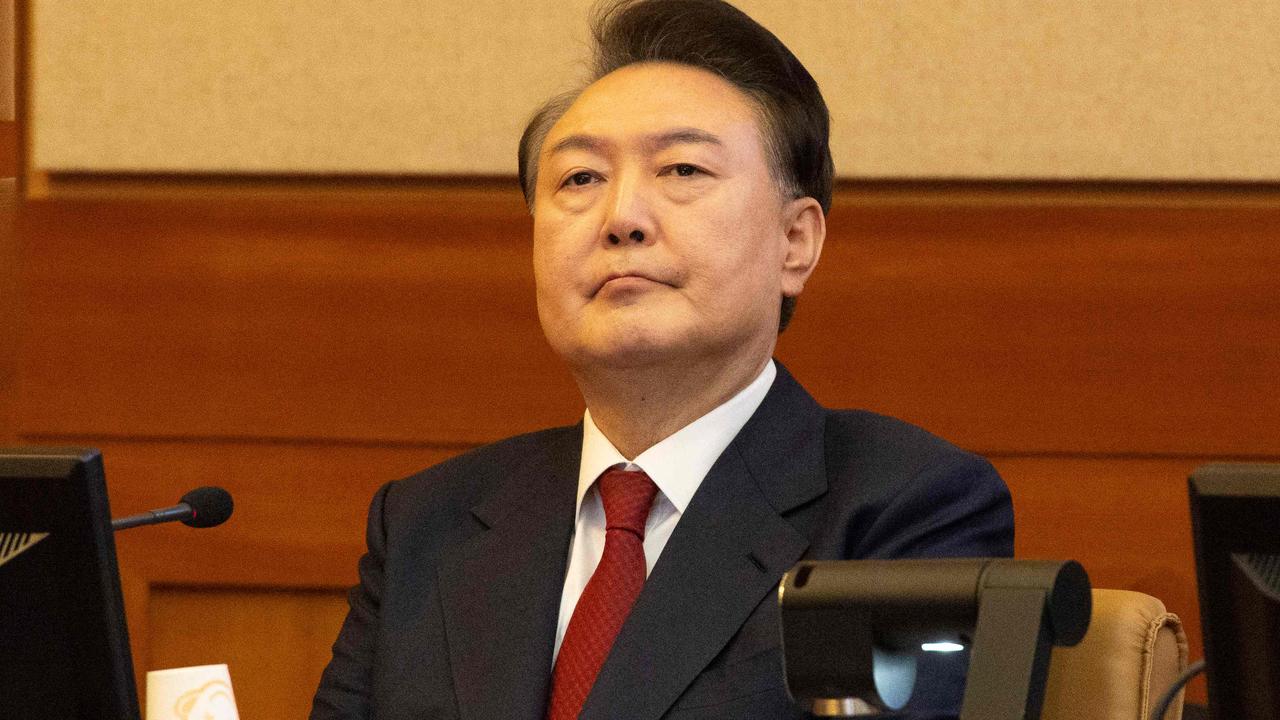
Former South Korean President Yoon Suk Yeol was formally indicted on Saturday over charges stemming from his controversial martial law declaration last year.
Prosecutors allege the former leader abused his presidential powers in an attempt to derail the country’s democratic processes and obstruct the operations of government institutions.
Yoon’s indictment comes amid a broader investigation into alleged insurrection, which intensified after the December 3 crisis that shocked the nation. On that day, the former president deployed troops to the National Assembly, aiming to halt lawmakers from proceeding with a vote intended to nullify his declaration of martial law—a move widely condemned as an attempt to subvert civilian rule.
The ex-president, who was still in office at the time, became the first sitting head of state in South Korean history to be taken into custody. Authorities arrested him in January after he defied multiple summons and used his presidential security team to block investigators. Though he was initially released in March on procedural grounds, the insurrection case against him continued in court.
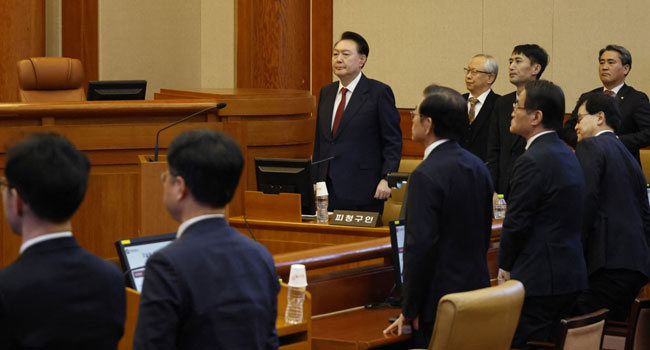
More recently, Yoon was rearrested after a new warrant was issued amid fears he could interfere with the investigation or tamper with critical evidence. On Saturday, Prosecutor Park Ji-young confirmed the formal charges during a press briefing, stating that Yoon faced accusations of abuse of power and obstruction of official duties.
“Former President Yoon Suk Yeol has been indicted on charges including abuse of power and obstruction of special official duties,” Park said, detailing that Yoon failed to follow the constitutionally mandated process for declaring martial law, such as convening the full cabinet for deliberation.
Further complicating Yoon’s legal woes are additional charges related to document fraud. Prosecutors claim the former leader fabricated and later discarded a document that falsely indicated both the prime minister and the defense minister had consented to the imposition of martial law.
Despite being in detention, Yoon has reportedly declined to cooperate with investigators. However, he did appear in court on Friday in an attempt to challenge the renewed arrest warrant. His legal representatives said the former president addressed the court for over 30 minutes, citing both his physical health challenges and limited mobility. The court, however, denied the plea and upheld the warrant.
Yoon is currently being held in solitary confinement. While his cell is equipped with a fan, it lacks air-conditioning, posing significant discomfort as the country faces a severe heatwave.
His indictment signals a dramatic fall from power and has reignited debate over the balance between national security and constitutional governance in South Korea. Public opinion remains sharply divided, with some condemning Yoon’s actions as dictatorial overreach, while others argue the situation is being politically exploited.
What you should know
Yoon Suk Yeol served as South Korea’s president before becoming embroiled in a national scandal for attempting to impose martial law without proper legal procedures.
His case marks a historic moment, as he is the first sitting president in the country’s history to be arrested, detained, and indicted for such charges while in office.