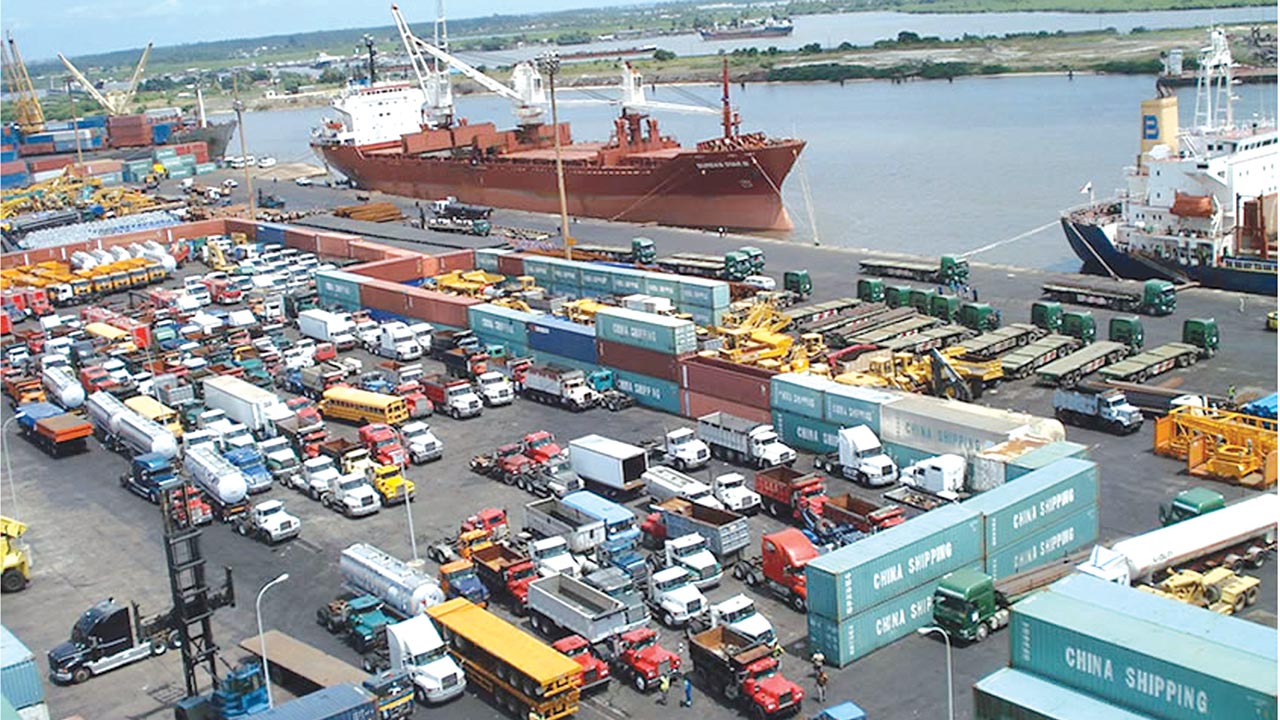
The Federal Government has stepped up plans to implement the National Single Window (NSW) at Nigeria’s ports by 2026, in a move aimed at revolutionising port operations, cutting costs, and enhancing trade efficiency.
Vice President Kashim Shettima described the initiative as a “game changer,” saying it will harmonise port documentation, reduce human contact, and improve transparency in cargo clearance processes.
Speaking at the second meeting of the Ports and Customs Efficiency Committee at the Presidential Villa, Abuja, Shettima said the goal is to drastically reduce cargo clearance time across all ports.
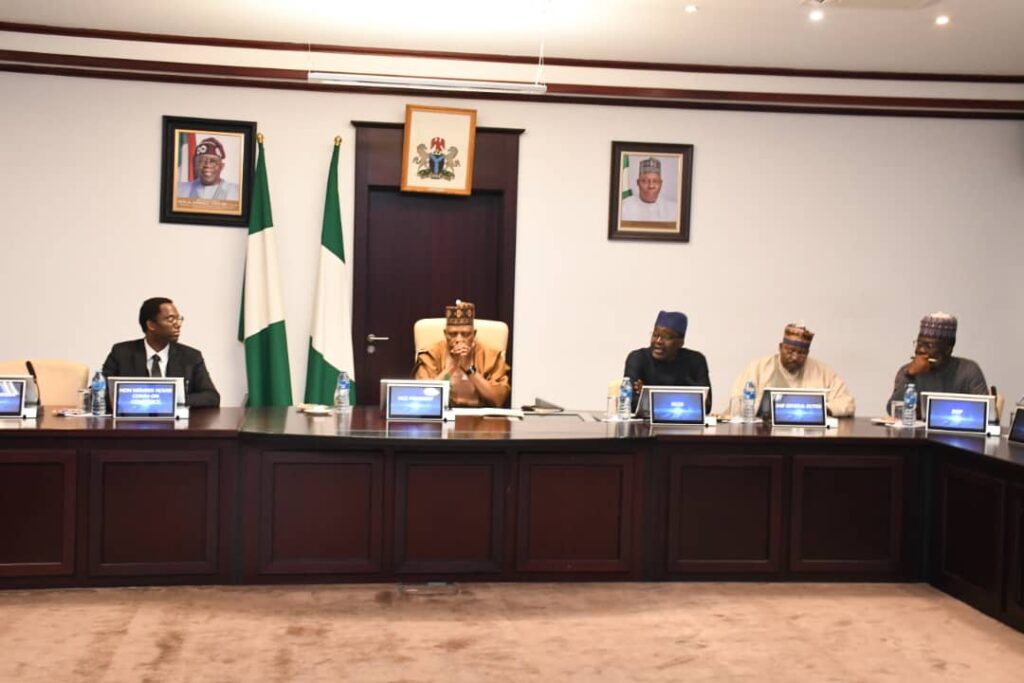
“By the end of 2026, we aim to reduce average cargo clearance time in Nigeria to under seven days,” he stated, adding that the ultimate objective is to position Nigeria’s ports among the top three most efficient trade gateways in Africa.
He noted that the National Single Window—set for rollout in the first quarter of 2026—would transform the country’s port operations by eliminating inefficiencies that have plagued the sector for years.
According to the Vice President, the cost of clearing goods in Nigeria is 30 per cent higher than in many regional counterparts, a challenge that discourages investment, inflates consumer prices, and weakens export competitiveness.
“Our ports record cargo dwell times 475 per cent above the global average benchmark. We cannot afford to continue down this path,” Shettima said.
He also directed agencies including the Nigerian Ports Authority (NPA), Nigerian Customs Service (NCS), NAFDAC, and the Standards Organisation of Nigeria (SON) to create a roadmap for an effective weights and measures framework, which would ensure fairness in trade and protect consumers from fraudulent practices.
“Accurate measurement is key to efficiency and global trade standards,” he added.
Boosting Efficiency
Shettima expressed confidence that the pending Executive Order on Joint Physical Inspection, awaiting President Bola Tinubu’s approval, would address long-standing challenges in the sector.
“It marks the dawn of a new era where agencies work together and systems speak a common language,” he said, stressing that the new order would bring predictability, transparency, and speed to port operations.
The Vice President urged collaboration among port-related agencies, stating that the days of operating in isolation were over.
“No reform succeeds without ownership,” he declared. “Inter-agency rivalry must give way to collaboration. Our efficiency depends on how well we work together.”
The Director-General of the Presidential Enabling Business Environment Council (PEBEC), Zahrah Audu, also highlighted the impact of poor port performance on Nigeria’s Ease of Doing Business ranking, urging agencies to commit to reforms that make the nation’s ports globally competitive.
Similarly, NPA Managing Director Abubakar Dantsoho stressed the importance of synergy, saying, “Until there is collaboration and partnership, you cannot achieve efficiency at the ports.”
He revealed that the Ports and Customs Efficiency Committee had already recorded progress through joint inspections and coordinated boarding by relevant agencies, while identifying technology adoption, infrastructure upgrades, and human capacity development as top priorities for improving port competitiveness.
Dantsoho affirmed that these initiatives would ensure Nigeria maintains relevance in regional and global trade.
What You Should Know
The National Single Window is a digital trade facilitation system designed to streamline all port-related processes through a unified online platform.
Once implemented in 2026, it is expected to cut clearance delays, curb corruption, and make Nigerian ports among the most efficient in Africa.