The Economic Community of West African States (ECOWAS) has issued a strong warning that it will impose “targeted sanctions” on any individuals or groups that attempt to frustrate Guinea-Bissau’s transition back to civilian governance following last month’s military coup.
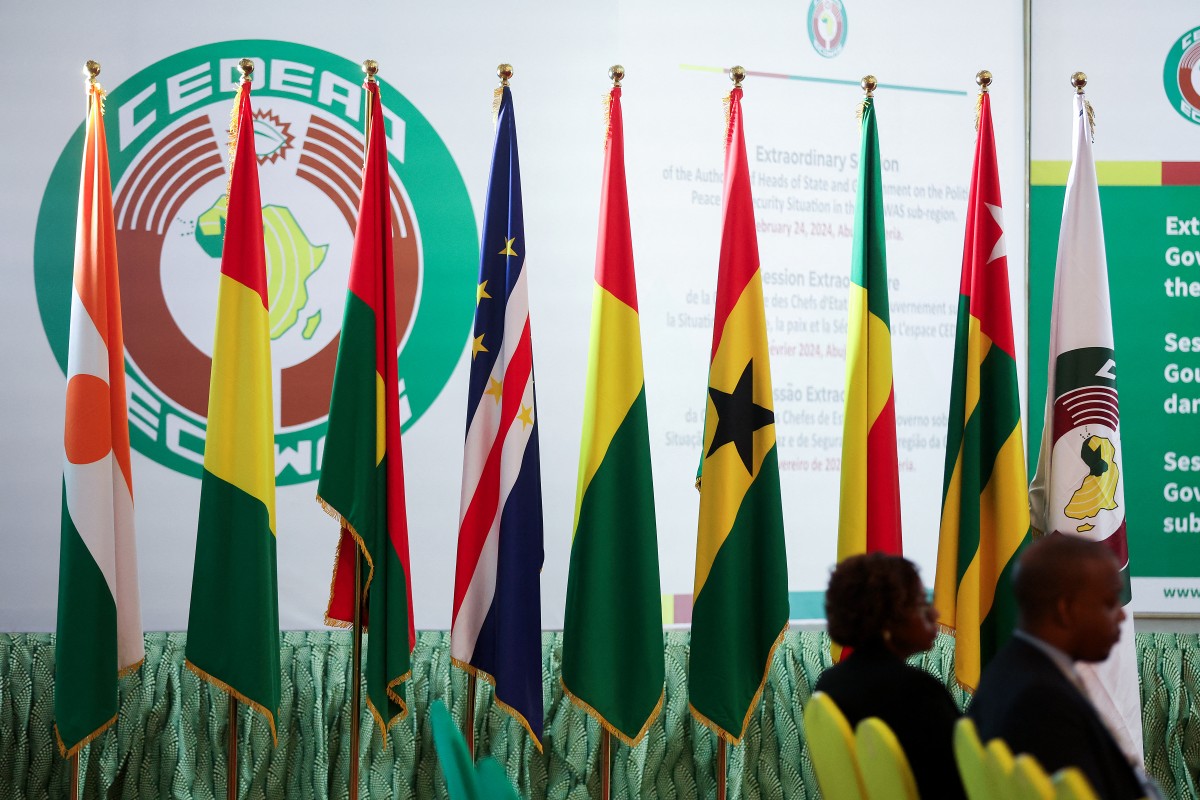
The warning was delivered on Sunday as regional leaders gathered in Abuja, Nigeria, for the bloc’s bi-annual summit, a meeting overshadowed by two recent threats to democratic rule in the sub-region: a successful coup in Guinea-Bissau and an attempted but failed takeover in neighbouring Benin.
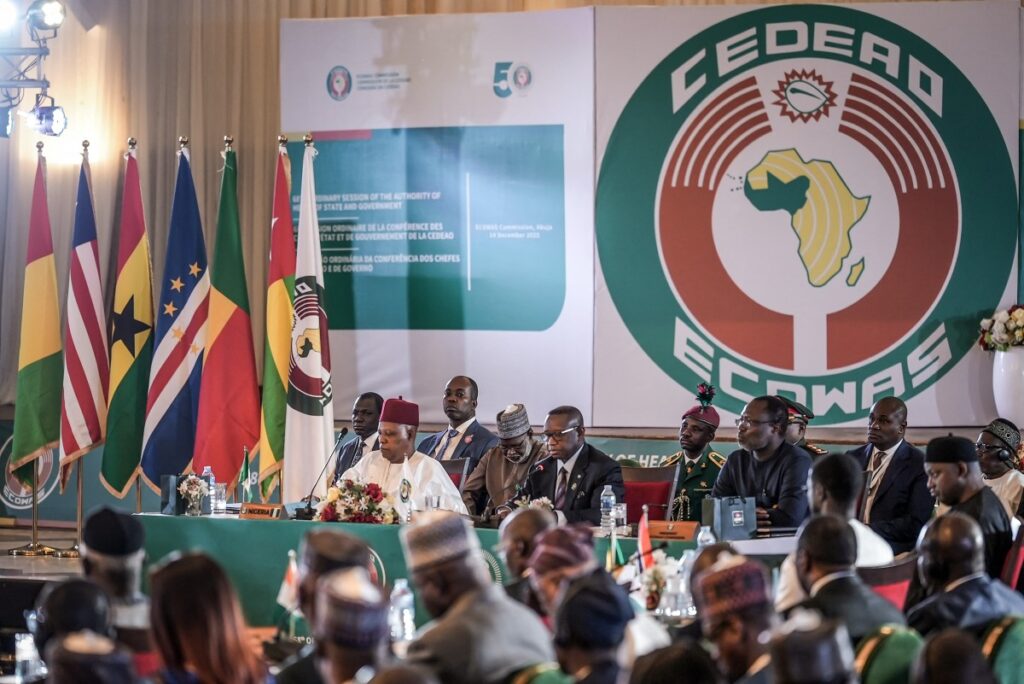
A successful putsch in Guinea Bissau in November and a foiled military takeover in Benin a week ago have rattled regional bloc ECOWAS. (Photo by Light Oriye Tamunotonye / AFP)
Speaking to journalists at the conclusion of the summit, ECOWAS Commission President Omar Alieu Touray said the regional body would not hesitate to act against those undermining the transition process.
“The authorities shall impose targeted sanctions on individuals or groups of persons that obstruct the transition process,” Touray stated.
He further disclosed that the ECOWAS peacekeeping mission stationed in Guinea-Bissau since 2022 had been given expanded authority. According to him, the force is now “authorised… to provide protection to all political leaders and national institutions” in the country, which has a long history of military interference in politics.
The back-to-back disruptions of civilian authority, the coup in Guinea-Bissau last month and the attempted putsch in Benin just a week ago have deeply unsettled the West African bloc. Both incidents were strongly condemned during Sunday’s summit.
In response to the failed coup in Benin, Nigeria deployed fighter jets and troops, working alongside forces from Côte d’Ivoire, to reinforce the civilian government. ECOWAS has also confirmed that additional troops from Ghana and Sierra Leone are expected to join the security effort.
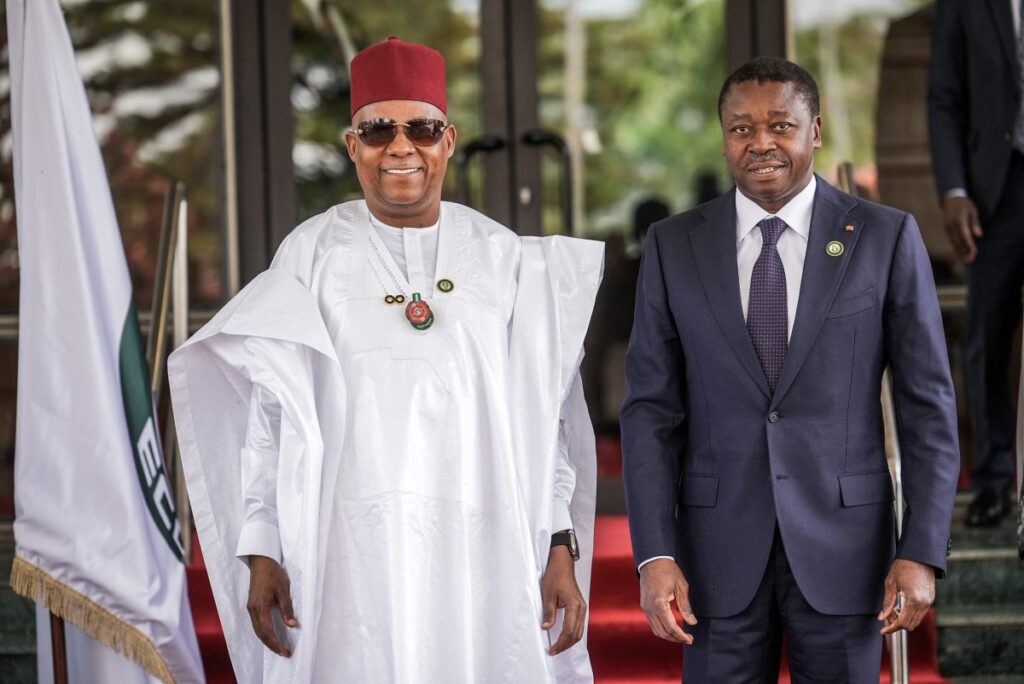
A successful putsch in Guinea Bissau in November and a foiled military takeover in Benin a week ago have rattled regional bloc ECOWAS. (Photo by Light Oriye Tamunotonye / AFP)
The region has endured repeated military takeovers in recent years. Between 2020 and 2023, Burkina Faso, Guinea, Mali and Niger all fell under military rule, with each country still governed by juntas.
Security in the Sahel also featured prominently in discussions at the Abuja meeting.
Although the summit was planned before the latest coup attempts, both incidents dominated deliberations, alongside preparations for Guinea’s December 28 elections. In Guinea, junta leader Mamady Doumbouya has entered the race despite an earlier pledge not to contest, while former prime minister and exiled opposition figure Cellou Dalein Diallo has been barred from participating.
Despite these controversies, Touray said ECOWAS regarded the polls as “significant progress” within the broader transition framework.
When questioned about the credibility of the upcoming vote, he responded cautiously, saying, “We hope that the elections will be credible, transparent and fair.”
Regional leaders also examined the deteriorating security situation in the Sahel, where jihadist insurgencies continue to destabilise Burkina Faso, Mali and Niger.
The three junta-led states have since withdrawn from ECOWAS and formed the Alliance of Sahel States (AES). Earlier in the week, Touray had advocated dialogue with the AES, particularly on shared security challenges as violence increasingly spills southward.
“No border can insulate us from violence,” said Sierra Leone President Julius Bio, who currently serves as ECOWAS’s rotating chairman, during the summit.
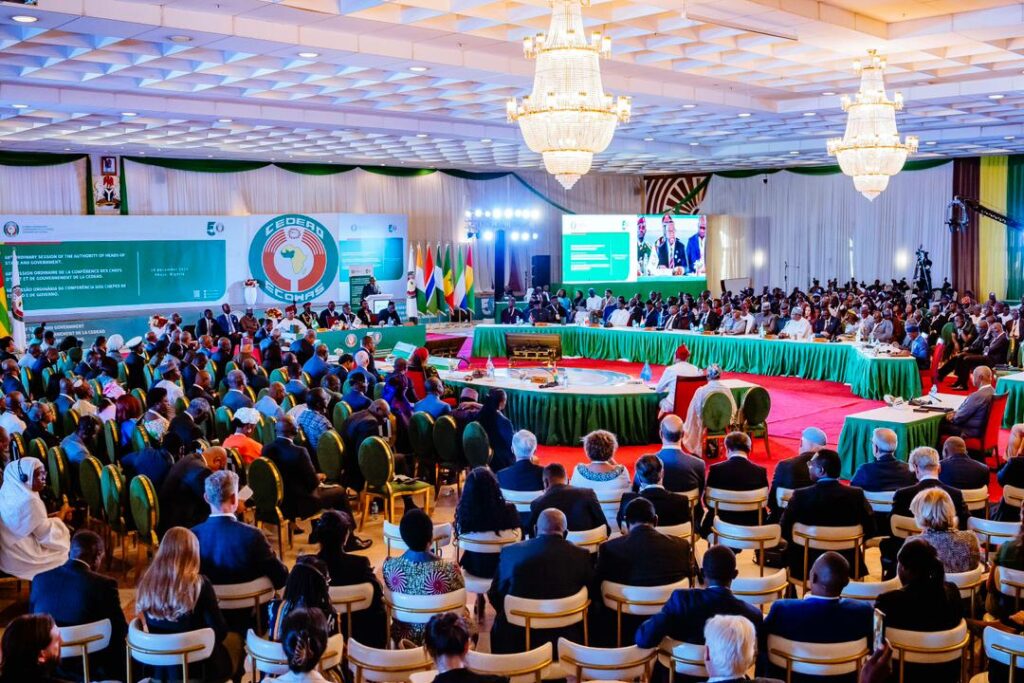
Leaders from Guinea and Guinea-Bissau, both suspended from ECOWAS following their respective coups, did not attend the meeting. Nigerian President Bola Tinubu was also absent and was represented by Vice President Kashim Shettima.
Beyond military interventions, concerns about democratic erosion among civilian governments were also raised. In October, Côte d’Ivoire re-elected President Alassane Ouattara for a fourth term in a poll that excluded major opposition contenders.
What you should know
ECOWAS is facing renewed pressure as military coups and attempted takeovers continue to threaten democratic governance in West Africa.
Guinea-Bissau’s latest coup and the foiled attempt in Benin have reinforced fears of instability spreading across the region. In response, the bloc is relying on sanctions, peacekeeping forces and regional military cooperation to deter unconstitutional changes of government.
At the same time, ECOWAS is navigating complex challenges in the Sahel, where jihadist violence, political transitions and the withdrawal of some states from the bloc are reshaping regional security and diplomacy.