The Economic Community of West African States (ECOWAS) has announced the immediate deployment of its standby military contingent to the Republic of Benin following the disruption of an attempted coup in the country.
In a statement issued on Sunday, the regional organisation confirmed that troops, including personnel from neighbouring Nigeria, are being mobilised to reinforce the Beninese authorities and safeguard the country’s constitutional order.
Earlier on Sunday, ECOWAS denounced the coup attempt, urging total adherence to Benin’s Constitution. The bloc also praised the swift action of the Beninese Government and the Republican Army, noting their effectiveness in stabilising the situation.
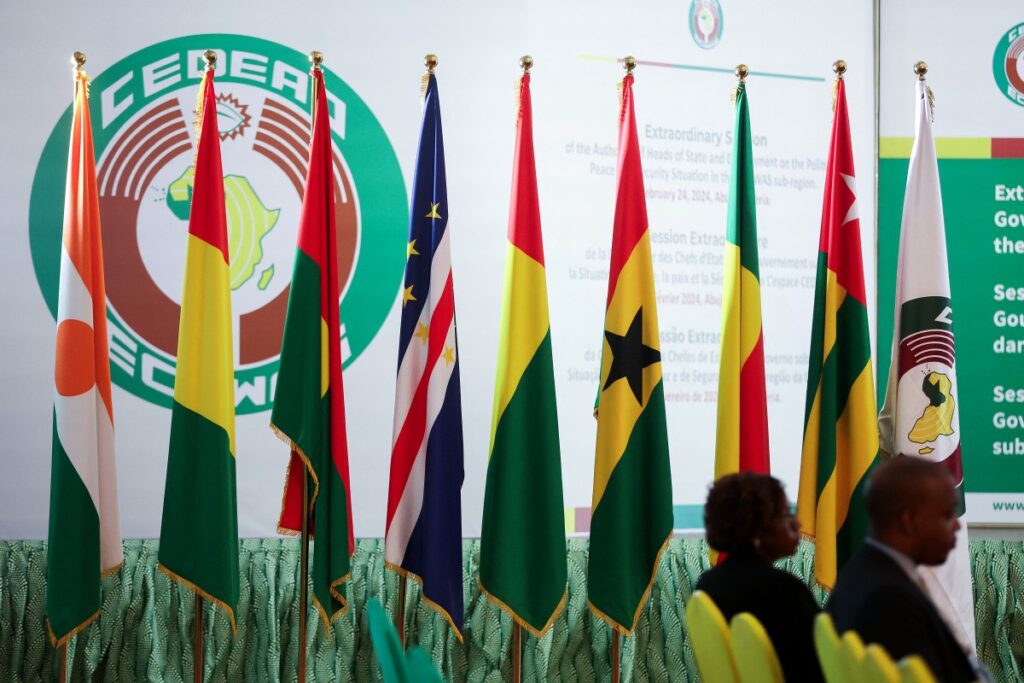
According to ECOWAS, the decision to activate the standby force aligns with relevant community protocols, specifically Article 25(e) of the 1999 Protocol Relating to the Mechanism for Conflict Prevention, Management, Resolution, Peacekeeping and Security.
After consultations involving the Mediation and Security Council at the level of Heads of State and Government, the ECOWAS Chairperson authorised an urgent deployment of the standby elements to Benin.
The statement explained that the joint force will include troops from the Federal Republic of Nigeria, the Republic of Sierra Leone, the Republic of Côte d’Ivoire, and the Republic of Ghana.
According to the communiqué, the force will assist the Beninese Government and the Republican Army in “preserving constitutional order and the territorial integrity” of the country.
Nigerian Jet Operations in Benin
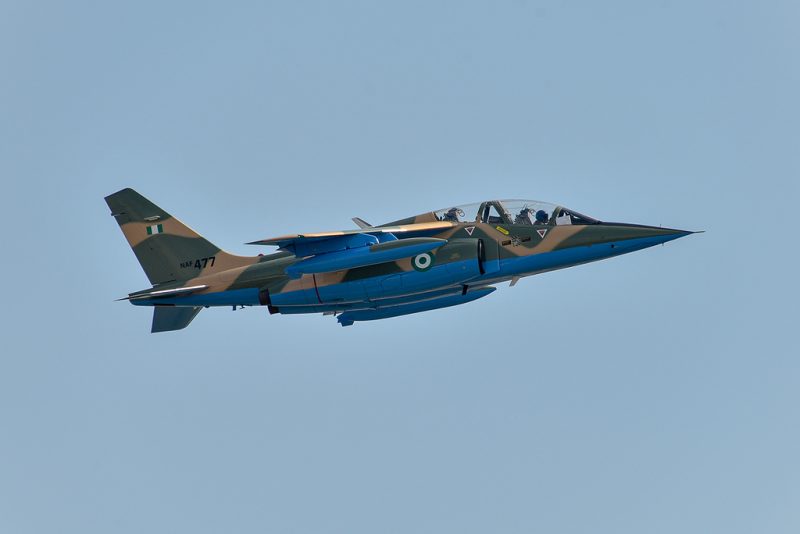
Meanwhile, the Nigerian Air Force has already carried out airstrikes in Benin as part of a coordinated effort with Beninese officials working to quash the coup attempt. Details about the targets remain unclear.
President Bola Ahmed Tinubu commended Nigeria’s military on Sunday, applauding their rapid intervention following the request from Benin’s government to protect its 35-year-old democratic system after soldiers attempted to seize power at dawn.
Benin’s authorities confirmed earlier that they had disrupted the attempted overthrow, which came after a group of soldiers appeared on state television claiming to have removed President Patrice Talon from office.
Tinubu Praises Nigerian Armed Forces
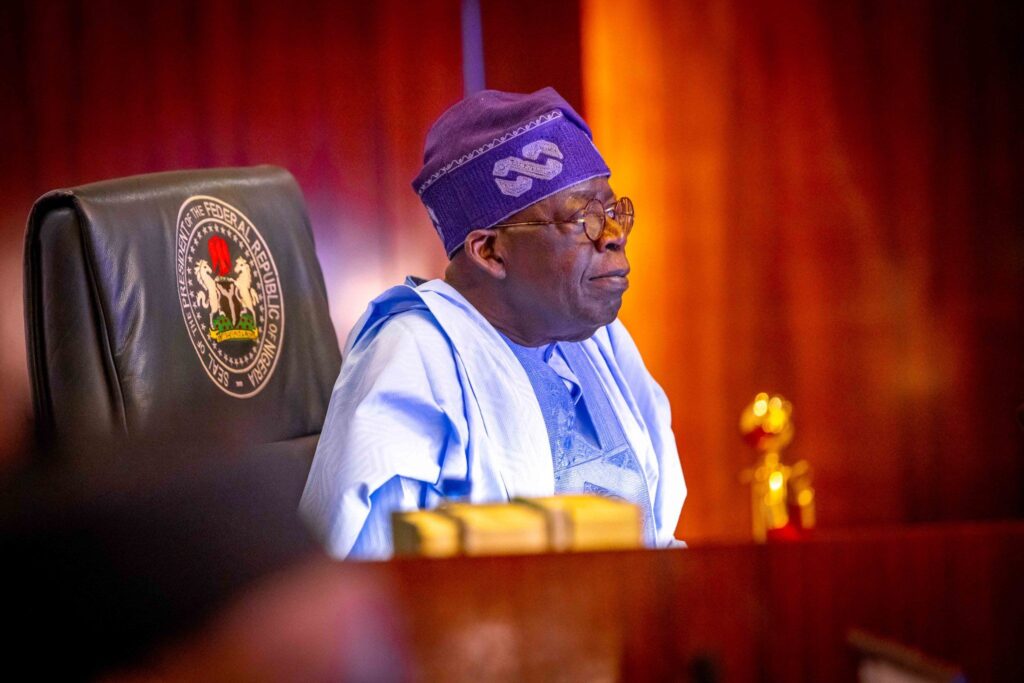
According to a statement from the Nigerian Presidency, President Tinubu authorised immediate military action after receiving two formal requests from Benin. The president instructed the Nigerian Air Force to take control of the airspace in order to push back the coup plotters from the National Television Station and a military base where they had regrouped.
Benin’s Ministry of Foreign Affairs had requested urgent Nigerian air support in a Note Verbal, citing the urgency of the situation and the need to uphold constitutional order, secure key national institutions, and protect civilians.
A second request sought the deployment of Nigerian air assets for surveillance and rapid-response missions under the coordination of Benin’s armed forces. The Beninese Government also asked for Nigerian ground troops “strictly for missions approved by the Beninese Command authority in support of the protection of constitutional institutions and the containment of armed Groups.”
‘Under Control’
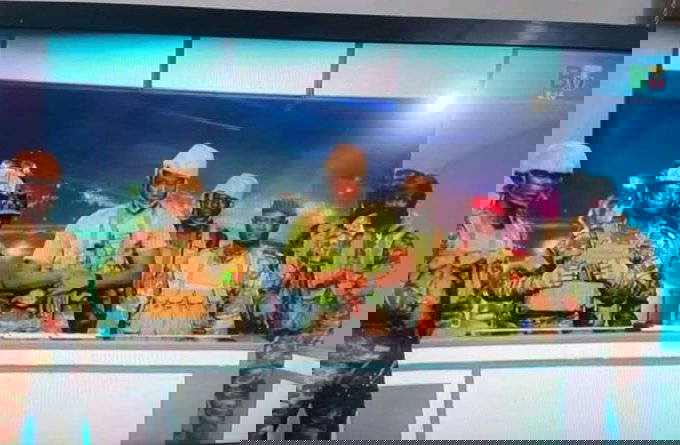
On Sunday, eight armed soldiers appeared on state television wearing berets of different colours and introduced themselves as the “Military Committee for Refoundation” (CMR). They declared a lieutenant colonel as “president of the CMR,” claiming their actions were driven by the “continuous deterioration of the security situation in northern Benin,” the “neglect of soldiers killed in action and their families left to fend for themselves,” and “unjust promotions at the expense of the most deserving.”
ECOWAS described the attempted power grab as “unconstitutional” and a “subversion of the will of the Beninese people.”
Benin has a history of coups and attempted coups dating back to its independence from France in 1960.
President Patrice Talon, who assumed office in 2016, is nearing the end of his second term, which expires in 2026, the constitutional limit. The principal opposition party is barred from participating in the succession race, leaving the ruling party to compete mainly against what has been described as a “moderate” opposition bloc.
Although Talon has earned recognition for advancing Benin’s economic development, critics frequently accuse him of authoritarian tendencies.
What You Should Know
ECOWAS has moved rapidly to prevent instability in Benin following a thwarted coup attempt, deploying a standby force drawn from Nigeria, Ghana, Côte d’Ivoire, and Sierra Leone.
Nigeria played a central role, carrying out air operations at Benin’s request and receiving praise from President Tinubu for its swift response. The soldiers behind the coup cited security concerns and perceived injustices within the military, but ECOWAS condemned their actions as unconstitutional.
Benin, which has experienced multiple coups in its history, now faces renewed scrutiny as President Talon approaches the end of his final term in 2026.