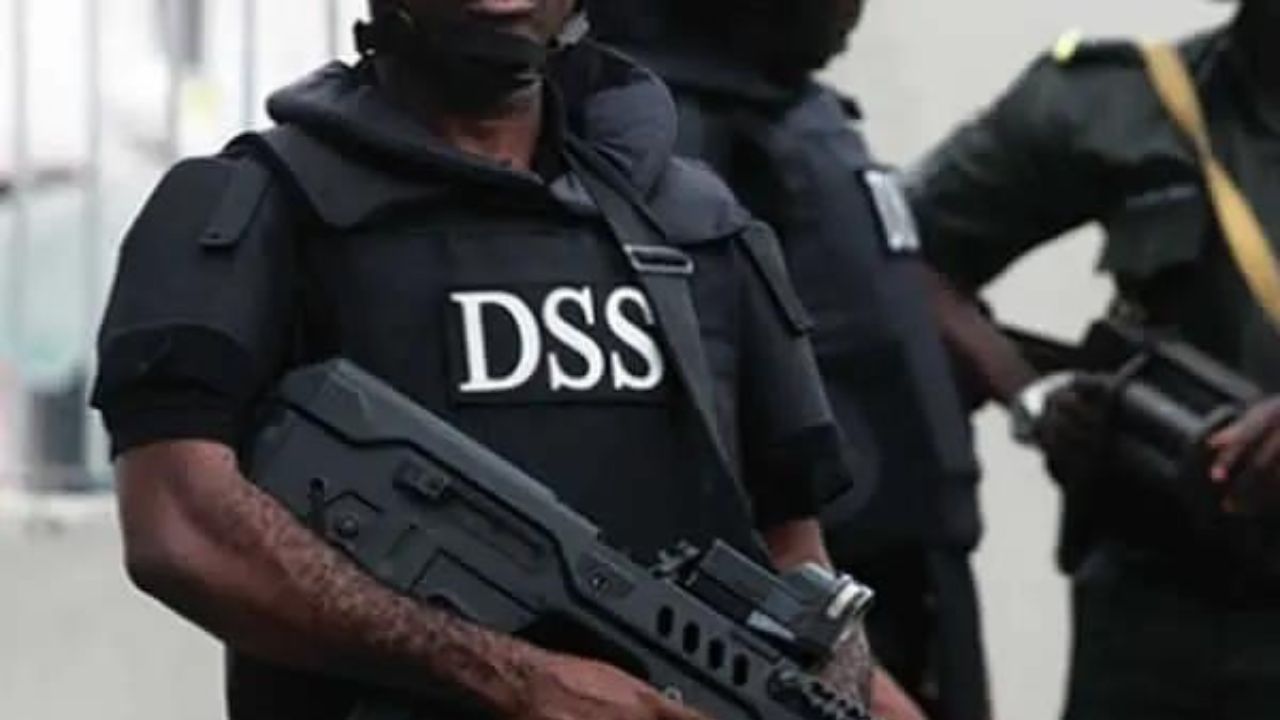
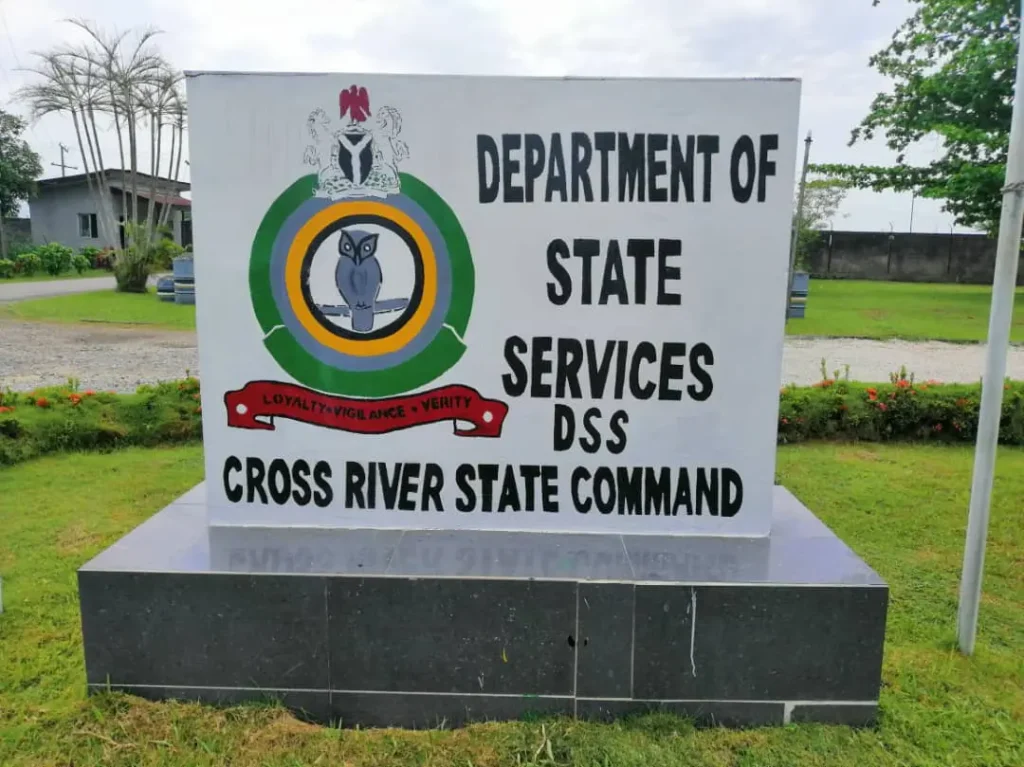
The Department of State Services (DSS) has filed a six-count charge against a 27-year-old man, Innocent Chukwuemeka Onukwume, accusing him of advocating for a military coup in Nigeria through his social media posts.
According to the charge sheet filed before the Federal High Court in Abuja, Onukwume, a resident of Umusayo Layout, Oyigbo, Rivers State, allegedly committed the offences in October 2025. The DSS claimed that his actions violated Sections 46 A (1) and 59 (1) of the Criminal Code Act, as well as Section 24 (1) (b) of the Cybercrimes (Prohibition, Prevention, etc.) Act, 2024 (As Amended).
In one of the charges, the DSS alleged that Onukwume, “having the intent to cause fear and alarm to the public or to disturb the public peace,” posted a message on his verified X (formerly Twitter) account, @theagroman, stating: “A coup in Nigeria is needed. Dispose of APC, suspend the Nigeria government and join the AES. That is all we need now.”
The agency described this act as a violation punishable under Section 59 (1) of the Criminal Code Act.
Another count accused Onukwume of intentionally posting a message on October 15, 2025, aimed at inciting public disaffection against the Nigerian government. The DSS cited another post from his verified X account that read: “It will happen eventually, Nigerian. The military needs your support now! Only them can save this country. The bastard in Aso Rock has basically sold this country to the West and they run our intelligence apparatus only the military can reset this country.”
The DSS argued that the posts were intended to cause “annoyance, inconvenience, danger, obstruction, insult, enmity, criminal intimidation, hatred, ill will or needless anxiety” toward the government, constituting an offence under the Cybercrimes Act.
The security agency emphasized that Onukwume’s social media conduct amounted to a serious national security threat, urging the court to take decisive action. The case is expected to be heard soon, with the DSS maintaining that such statements are capable of undermining public peace and encouraging insurrectionary behavior.
What You Should Know
The DSS’s prosecution of Innocent Onukwume underscores the Nigerian government’s growing intolerance toward online expressions deemed subversive or threatening to national stability.
The case highlights the legal implications of social media activism in the country, especially when posts are perceived as inciting violence or rebellion.
Nigeria’s security agencies have increasingly invoked cybercrime and sedition laws to curb online speech that challenges government authority, reflecting broader concerns over misinformation, public unrest, and national security in the digital age.