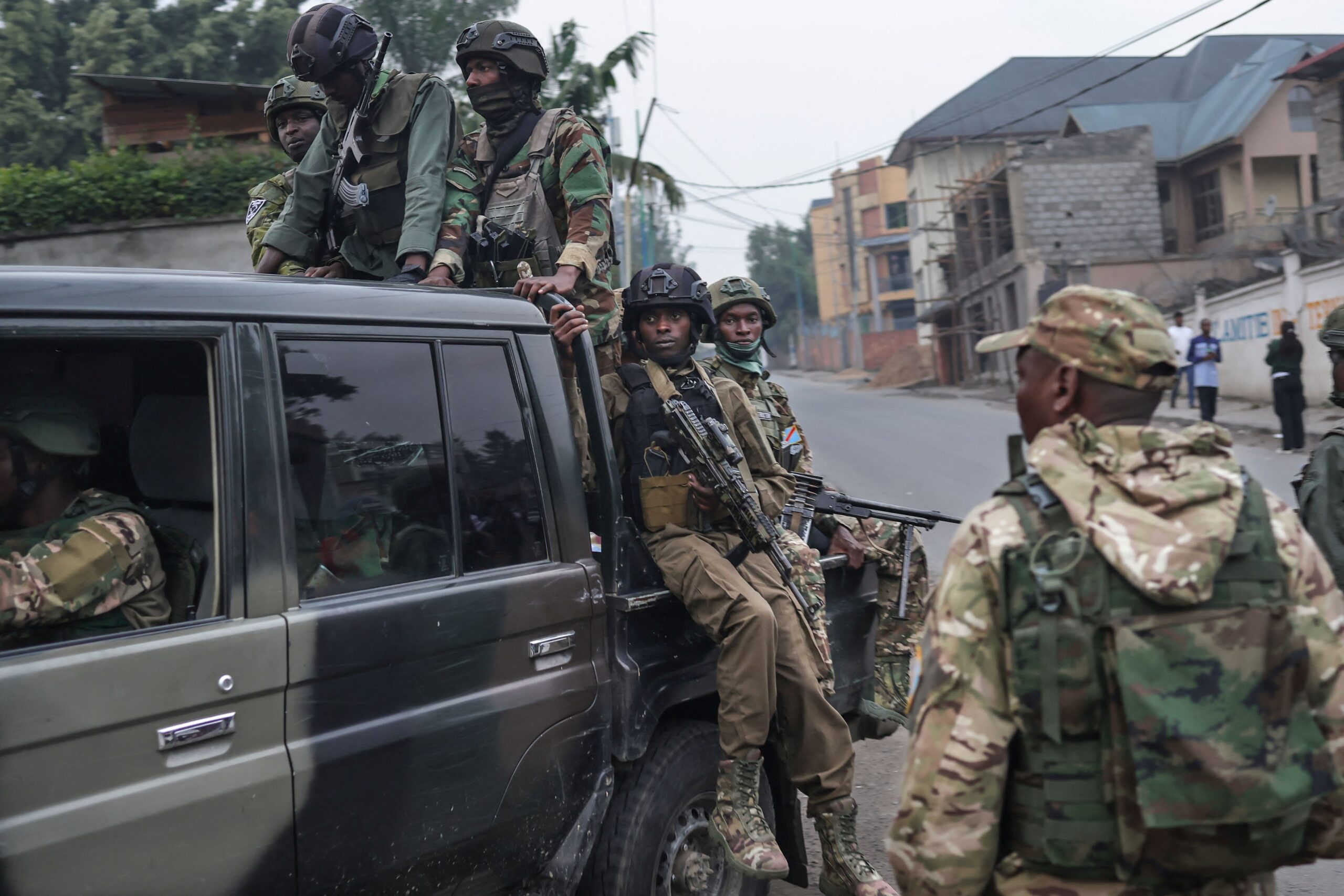
The Democratic Republic of Congo (DRC) and the M23 rebel faction, widely believed to be supported by Rwanda, have reached a formal ceasefire agreement intended to bring an end to months of intense violence in the mineral-rich yet deeply unstable eastern region of the country.
The peace arrangement was confirmed on Saturday through the signing of a Declaration of Principles by both parties. This development comes after nearly three months of diplomatic discussions hosted in Doha, the capital of Qatar. It also follows a separate bilateral peace accord reached in Washington between DRC and Rwanda last month.
According to the document, both parties pledged to honor their commitment to a lasting ceasefire. The agreement explicitly forbids any incitement through “hate propaganda” and bars either side from attempting to “seize by force new positions.”
The M23 rebel group, which conducted a swift and aggressive military campaign in January and February—capturing a wide range of territory in eastern Congo—had long demanded its own ceasefire agreement with Kinshasa. The group argued that the Washington treaty did not adequately address certain “problems” that remained unresolved and insisted on a tailored resolution process.
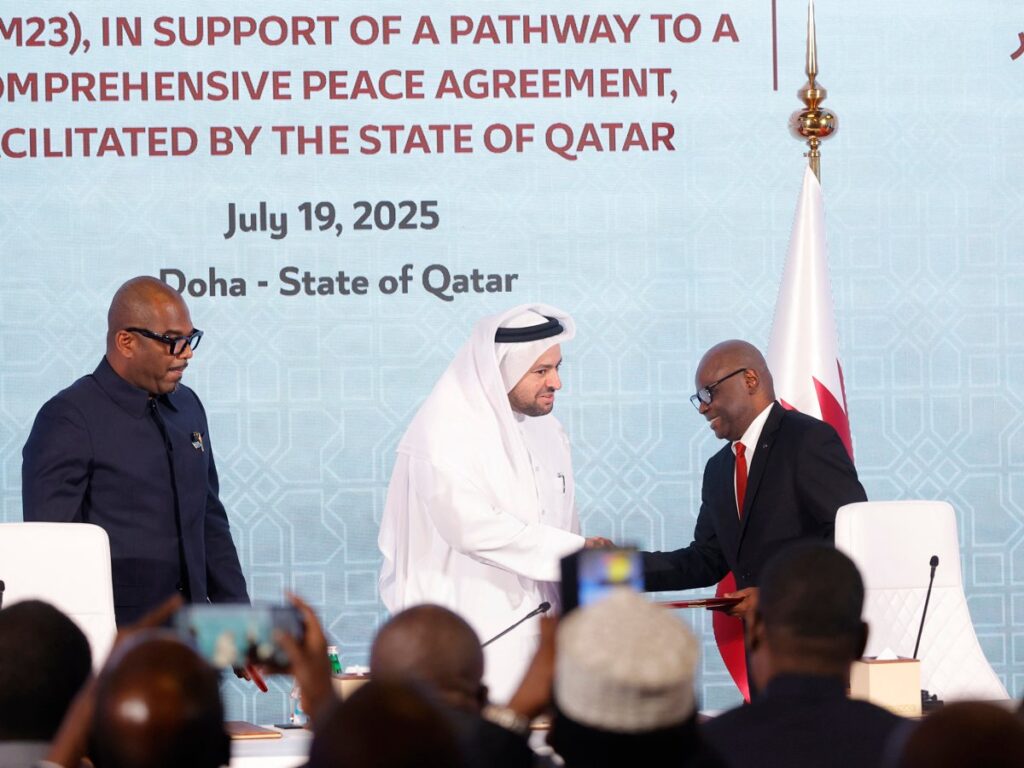
The African Union applauded the Doha agreement, labeling it a “significant development.” In a statement, the continental body stated: “This… marks a major milestone in the ongoing efforts to achieve lasting peace, security, and stability in eastern DRC and the wider Great Lakes region.”
As part of the terms outlined, both parties have also consented to begin negotiations for a more comprehensive peace agreement. In addition, the agreement includes a blueprint for reestablishing government control and institutions in regions currently held by the M23.
Patrick Muyaya, spokesperson for the Congolese government, emphasized that the deal aligns with DRC’s uncompromising conditions. These include “the non-negotiable withdrawal of the M23 from occupied areas,” followed by the deployment of state institutions such as the national army to restore governance.
He further noted that a broader peace agreement would be finalized “in the coming days.” According to the document, both sides committed to implementing the provisions of the deal no later than July 29 and agreed to begin direct talks for a permanent peace accord by August 8.
Presidents Félix Tshisekedi of the DRC and Paul Kagame of Rwanda are expected to meet in the near future to strengthen the Washington agreement, the terms of which are yet to be fully enacted.
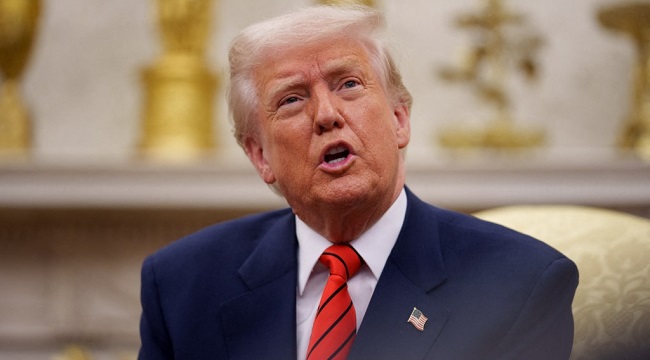
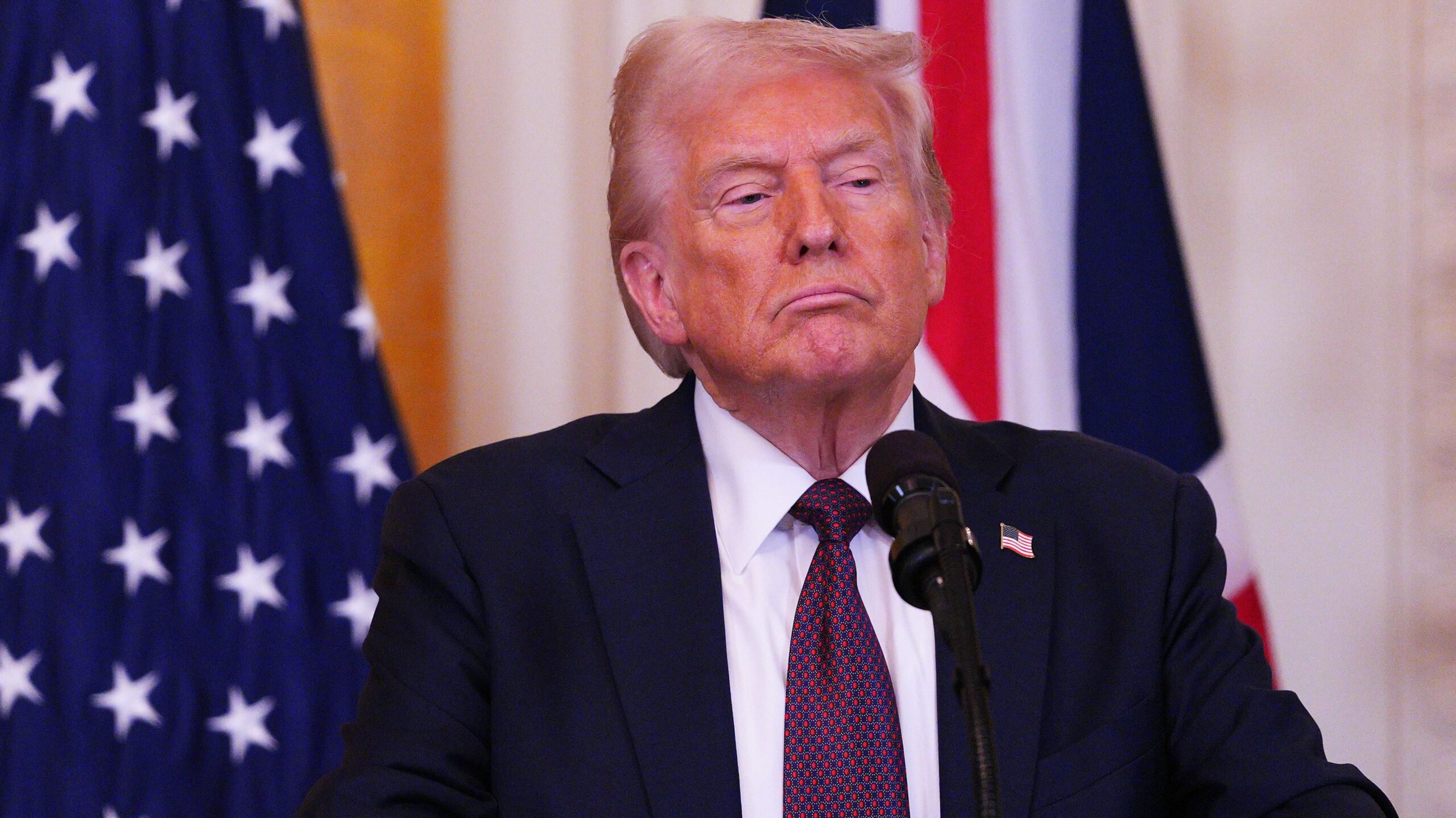
Meanwhile, speculation continues around a potential supplementary deal focused on economic cooperation. U.S. President Donald Trump had previously boasted about securing access to DRC’s mineral wealth, sparking debate over foreign involvement in the region’s resources. President Tshisekedi confirmed in April that he had held talks with U.S. special envoy Massad Boulos regarding a minerals-related deal.
Past attempts at ceasefire agreements in eastern Congo have frequently broken down, casting a shadow of skepticism over the current deal’s durability.
Despite official denials from Rwanda, multiple UN investigative reports have concluded that the Rwandan military played a “critical” role in M23’s recent offensive operations, including engaging directly in combat.
For more than three decades, eastern Congo—home to vast deposits of gold, cobalt, and other valuable minerals—has been plagued by relentless armed conflict. This long-standing instability has sparked repeated humanitarian crises and driven massive population displacement.
The M23 insurgency earlier this year resulted in the deaths of thousands and saw the rebels seize control of major urban centers such as Goma and Bukavu. Although active frontlines have remained relatively unchanged since February, intermittent clashes between M23 and various pro-government militias have continued to erupt, indicating that peace remains fragile.
What you should know
The M23 rebel group, known for its repeated uprisings in the DRC, first emerged in 2012 and is allegedly supported by neighboring Rwanda—an accusation Kigali has consistently denied.
The group takes its name from the March 23 peace deal it claims was violated by the Congolese government.