Biography and Early Life
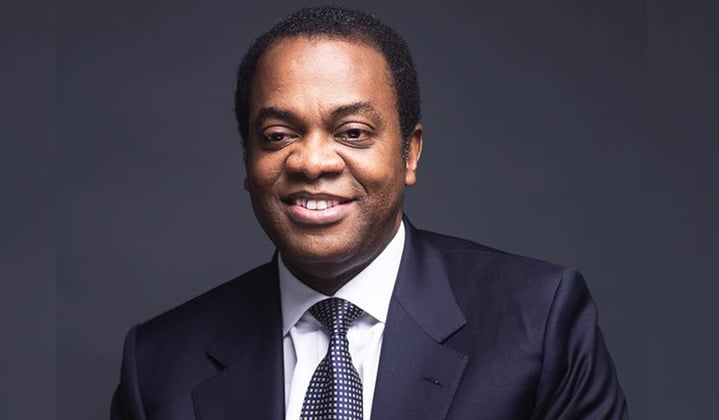
Donald Duke was born on May 30, 1961, in Calabar, Cross River State, Nigeria. He hails from a prominent family in Cross River State, with his father being a respected figure in the region. Growing up in Calabar, one of Nigeria’s historic coastal cities with a rich cultural heritage and colonial history, Duke was exposed to both the potential and challenges of his state from an early age.
His upbringing in a relatively cosmopolitan environment, in a state known for its ethnic diversity and cultural richness, shaped his perspectives on governance, development, and the importance of cultural preservation. Cross River State’s position at Nigeria’s southeastern border, with its mix of ethnic groups and natural beauty, would later inform his developmental vision when he assumed leadership.
Educational Background
Donald Duke’s educational credentials reflect a strong foundation in law and public administration:
University of Calabar: He earned his Bachelor of Laws (LL.B) degree from the University of Calabar, studying in his home state and developing a deep understanding of the region.
Nigerian Law School: After completing his law degree, Duke attended the Nigerian Law School and was called to the Nigerian Bar, qualifying as a legal practitioner in Nigeria.
Legal Practice: Practiced law for several years before transitioning into public service and politics, gaining experience that would prove valuable in governance.
This legal background provided Duke with an understanding of constitutional issues, policy frameworks, and the legal dimensions of governance—skills he would later apply as governor.
Early Political Career
Duke’s entry into politics came through the Social Democratic Party (SDP) during Nigeria’s aborted Third Republic:
House of Representatives (1992-1993): He was elected to the House of Representatives representing Calabar constituency during the Babangida transition program. This brief tenure was cut short when the military annulled the transition and dissolved democratic institutions.
Political Hiatus: Following the democratic setback, Duke returned to private life, working in business and maintaining political connections until democracy was restored in 1999.
PDP Formation: He became active in the formation of the People’s Democratic Party (PDP) as Nigeria transitioned to the Fourth Republic, positioning himself for a return to politics.
Governor of Cross River State (1999-2007)
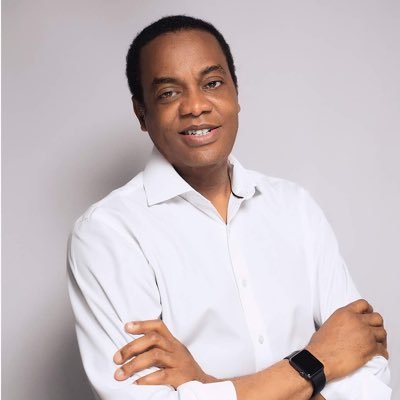
Donald Duke’s most significant political achievement came when he was elected Governor of Cross River State in 1999, serving two terms until 2007. His governorship is widely regarded as one of the most successful in Nigeria’s Fourth Republic.
Visionary Development Agenda
Duke’s administration was characterized by a clear developmental vision and strategic planning:
Tinapa Business Resort: His most ambitious project was Tinapa, a massive business and leisure resort designed to be West Africa’s premier free trade zone and tourism destination. The project included:
- Shopping complex with duty-free shopping
- Hotels and entertainment facilities
- Conference centers
- Film production studios
- Water parks and leisure facilities
While Tinapa faced challenges after Duke left office and never fully realized its potential, it represented bold, visionary thinking about economic development beyond traditional approaches.
Tourism Development: Duke recognized Cross River’s tourism potential and made it central to his economic strategy:
- Promoted the Obudu Cattle Ranch (now Obudu Mountain Resort) as a premium tourism destination
- Developed the Calabar Carnival (discussed below)
- Protected natural attractions, including rainforests and waterfalls
- Marketed Cross River as “The Nation’s Paradise”
Infrastructure Transformation: His administration transformed Calabar’s infrastructure:
- Reconstructed roads and urban infrastructure
- Improved street lighting and urban aesthetics
- Developed waterfront areas
- Built parks and recreational facilities
- Created one of Nigeria’s cleanest, most organized cities
The Calabar Carnival
Duke’s signature cultural initiative was the Calabar Carnival, which became Africa’s largest street party:
Vision: Modeled after Rio Carnival, Duke created an annual December festival featuring:
- Massive street parades with elaborate costumes
- Music performances by international and Nigerian artists
- Cultural displays and competitions
- Tourism influx is generating economic activity
Impact: The carnival:
- Put Calabar on the international tourism map
- Generated significant economic activity during the festive season
- Created employment for costume designers, performers, and service providers
- Promoted Cross River’s cultural heritage
- Attracted visitors from across Nigeria and internationally
- Continues annually, becoming institutionalized beyond Duke’s tenure
Legacy: The Calabar Carnival remains one of Nigeria’s most successful cultural festivals and tourism attractions, demonstrating how cultural programming can drive economic development.
Other Governance Achievements
Education: Invested in educational infrastructure and teacher training, though implementation varied.
Urban Planning: Implemented strict urban planning and enforcement in Calabar, creating one of Nigeria’s most organized cities.
Environmental Management: Strong environmental policies, including forest conservation and waste management.
Public Service Reform: Implemented civil service reforms aimed at improving efficiency and accountability.
Security: Maintained a relatively peaceful environment, making Cross River one of Nigeria’s safer states.
Fiscal Management: Managed state finances relatively prudently, though critics questioned spending priorities.
Challenges and Criticisms
Tinapa’s Failure: While visionary, Tinapa never achieved commercial success due to:
- Location challenges and poor access infrastructure
- Inadequate federal government support for customs arrangements
- Poor planning and management after Duke’s departure
- Massive financial investment with limited returns
- The project is becoming a symbol of an ambitious but unsustainable vision
Elite Focus: Critics argued his development model focused on elite tourism and leisure at the expense of addressing poverty and rural development.
Calabar-Centric: Accusations that development was concentrated in Calabar while other parts of Cross River were neglected.
Sustainability Questions: Questions about whether his projects were financially sustainable beyond his tenure.
Debt Concerns: His ambitious projects reportedly left Cross River with significant debt.
Cosmetic Development: Some critics dismissed his focus on aesthetics and tourism as superficial compared to addressing fundamental economic challenges.
Post-Gubernatorial Career
After leaving office in 2007, Duke has remained active in public life, though with mixed success in electoral politics:
Presidential Campaigns
2019 Presidential Bid: Duke ran for president under the Social Democratic Party (SDP) platform in 2019:
- Campaigned on the message of competence and track record
- Emphasized his governance experience and developmental vision
- Struggled to gain traction against major party candidates
- Performed poorly in the election, garnering minimal votes
- The campaign highlighted the challenges of third-party candidacies in Nigeria
Campaign Themes: His presidential campaigns emphasized:
- Infrastructure development and urban renewal
- Tourism and cultural economy
- Environmental sustainability
- Good governance and accountability
- Youth empowerment
Continued Advocacy
Public Commentary: Duke has remained active as a political commentator and governance advocate.
Development Advocacy: Continues advocating for sustainable development, tourism, and environmental conservation.
Speaking Engagements: Frequently invited to speak on governance, development, and Nigerian politics at various forums.
Advisory Roles: Serves in advisory capacities for various organizations focused on development and governance.
Media Presence: Maintains media visibility through interviews and articles on contemporary issues.
Political Philosophy and Governance Approach
Duke’s political thought reflects several distinctive elements:
Developmental State Vision: Believes government should actively drive development through strategic investments and planning.
Cultural Economy: Emphasizes culture, tourism, and creative industries as viable economic sectors, not just extractive industries.
Aesthetics and Environment: Values urban aesthetics, environmental quality, and quality of life as legitimate governance priorities.
Strategic Planning: Emphasizes long-term strategic planning over short-term political expediency.
Public-Private Partnership: Advocates for collaboration between government and private sector in development.
Branding and Marketing: Understands the importance of place branding and marketing in attracting investment and tourism.
Quality Governance: Emphasizes competence, vision, and execution in governance rather than merely political maneuvering.
Personal Life
Donald Duke is married to Onari Duke, who was an active First Lady of Cross River State, involved in various social welfare and women’s empowerment programs. They have children together.
Duke is known for his sophisticated, cosmopolitan demeanor—articulate, well-dressed, and comfortable in both Nigerian and international settings. His polished presentation has been both an asset (projecting competence) and occasionally a liability (perceived as elitist).
He maintains homes in Calabar and Lagos, reflecting both his roots and his national political ambitions.
Recognition and Awards
Governance Awards: Received numerous awards for good governance and developmental leadership during and after his governorship.
Tourism Recognition: Honored by tourism organizations for his contributions to Nigerian tourism development.
Urban Development: Recognized for transforming Calabar into one of Nigeria’s cleanest, best-organized cities.
International Recognition: Featured in international media and forums discussing African development and governance.
Legacy and Impact
Donald Duke’s legacy is nuanced, with clear achievements alongside significant limitations:
Positive Legacy
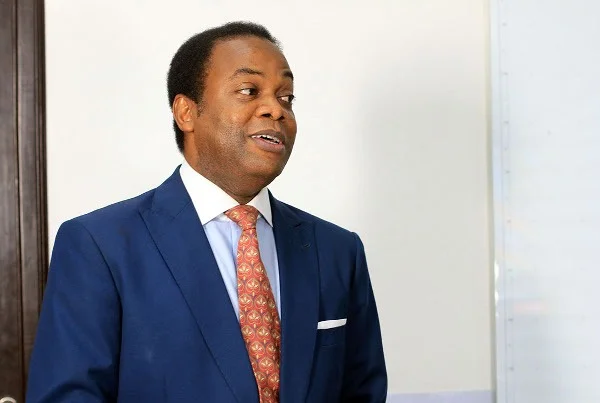
Urban Transformation: Calabar’s transformation into a clean, organized, beautiful city stands as a lasting achievement.
Cultural Innovation: The Calabar Carnival continues as a successful cultural and economic institution.
Tourism Pioneer: Demonstrated that tourism could be a viable economic sector for Nigerian states.
Governance Standard: Set high standards for urban governance, environmental management, and strategic planning.
Vision: Provided an alternative vision of development beyond oil dependency and traditional approaches.
Political Culture: Demonstrated that governors could prioritize long-term development over political patronage.
Criticisms and Limitations
Tinapa Failure: The Tinapa project’s failure raises questions about feasibility assessments and sustainability planning.
Inequality Focus: Critics argue that his focus on tourism and aesthetics didn’t address poverty and inequality.
Limited Replicability: His model depended on Cross River’s specific advantages (location, natural beauty, cultural heritage) and may not be replicable.
Electoral Failures: His inability to translate gubernatorial success into national political viability raises questions.
Sustainability: Questions remain about whether his achievements were sustainable without his personal leadership.
Elite Orientation: His governance style and priorities sometimes seemed disconnected from ordinary citizens’ immediate needs.
Influence on Nigerian Governance
Duke’s governorship influenced broader discussions about Nigerian governance:
Alternative Models: Demonstrated alternative development models beyond resource extraction and political patronage.
State Branding: Pioneered state branding and marketing as a governance strategy, influencing other governors.
Cultural Economy: Elevated discussions about culture and tourism as economic sectors.
Urban Governance: Set standards for urban management that other cities have aspired to, with varying success.
Long-term Planning: Emphasized the importance of strategic, long-term development planning in governance.
Current Status and Continuing Relevance
As of 2025, Donald Duke remains an elder statesman and voice on Nigerian governance:
Political Commentary: Continues providing analysis on Nigerian political and developmental issues.
Development Advocacy: Remains an advocate for sustainable development and good governance.
Cross River Influence: Maintains influence in Cross River State politics.
National Visibility: Though lacking an elective office, it maintains national visibility through media engagement.
Third Party Politics: His involvement with SDP reflects continuing interest in alternatives to the APC-PDP duopoly.
Assessment and Perspectives
Admirers View Him As:
- One of Nigeria’s best governors in the Fourth Republic
- Visionary who demonstrated alternative development pathways
- Effective administrator who delivered tangible results
- Pioneer in cultural economy and tourism development
- A model of what Nigerian governance could be with competence and vision
Critics Argue:
- His development model was elite-focused and unsustainable
- Tinapa’s failure demonstrates poor planning and unrealistic ambition
- He prioritized aesthetics over addressing fundamental challenges
- His inability to win a national office suggests limited political appeal beyond Cross River
- Development was concentrated in Calabar at the expense of the broader state
Balanced View: Donald Duke represents both the possibilities and limitations of visionary governance in Nigeria. His transformation of Calabar, creation of the Calabar Carnival, and emphasis on tourism demonstrated that Nigerian states could pursue innovative development strategies beyond traditional approaches. However, Tinapa’s failure and questions about sustainability suggest the limits of ambitious vision without adequate planning and resources. His electoral failures indicate that successful state governance doesn’t automatically translate to national political viability. Duke’s legacy is ultimately one of a competent, visionary governor whose achievements, while significant, came with limitations and whose model proved difficult to sustain or replicate.
Comparative Perspective
In comparison to other governors of his era:
Better Than Most: By most metrics, Duke’s governorship was more successful than the vast majority of his contemporaries.
Vision and Execution: He combined vision with execution better than most governors.
Lasting Impact: His initiatives, such as the Calabar Carnival, continue, unlike many governors’ projects that die with their administrations.
Physical Transformation: Few governors achieved such a visible physical transformation of their state capitals.
Model Limitations: However, his model depended on specific circumstances and hasn’t proven easily replicable by others.
Donald Duke’s career represents an important case study in Nigerian governance—demonstrating what can be achieved with vision, planning, and execution while also illustrating the challenges of sustaining ambitious development projects and translating state success into national political viability. His transformation of Calabar and creation of the Calabar Carnival stand as lasting achievements that have outlived his administration. The Tinapa project, despite its failure, represented the kind of bold, innovative thinking Nigerian governance desperately needs, even if execution fell short. Whether viewed as visionary success or an autobiographical tale about sustainability, Duke’s governorship provoked important conversations about what development means, how to achieve it, and whether cultural and tourism-based strategies can meaningfully transform Nigerian states’ economies. His legacy endures in the clean streets of Calabar, the annual carnival celebrations, and in ongoing debates about what Nigerian states could become with leadership that prioritizes vision and quality of life alongside traditional political considerations.