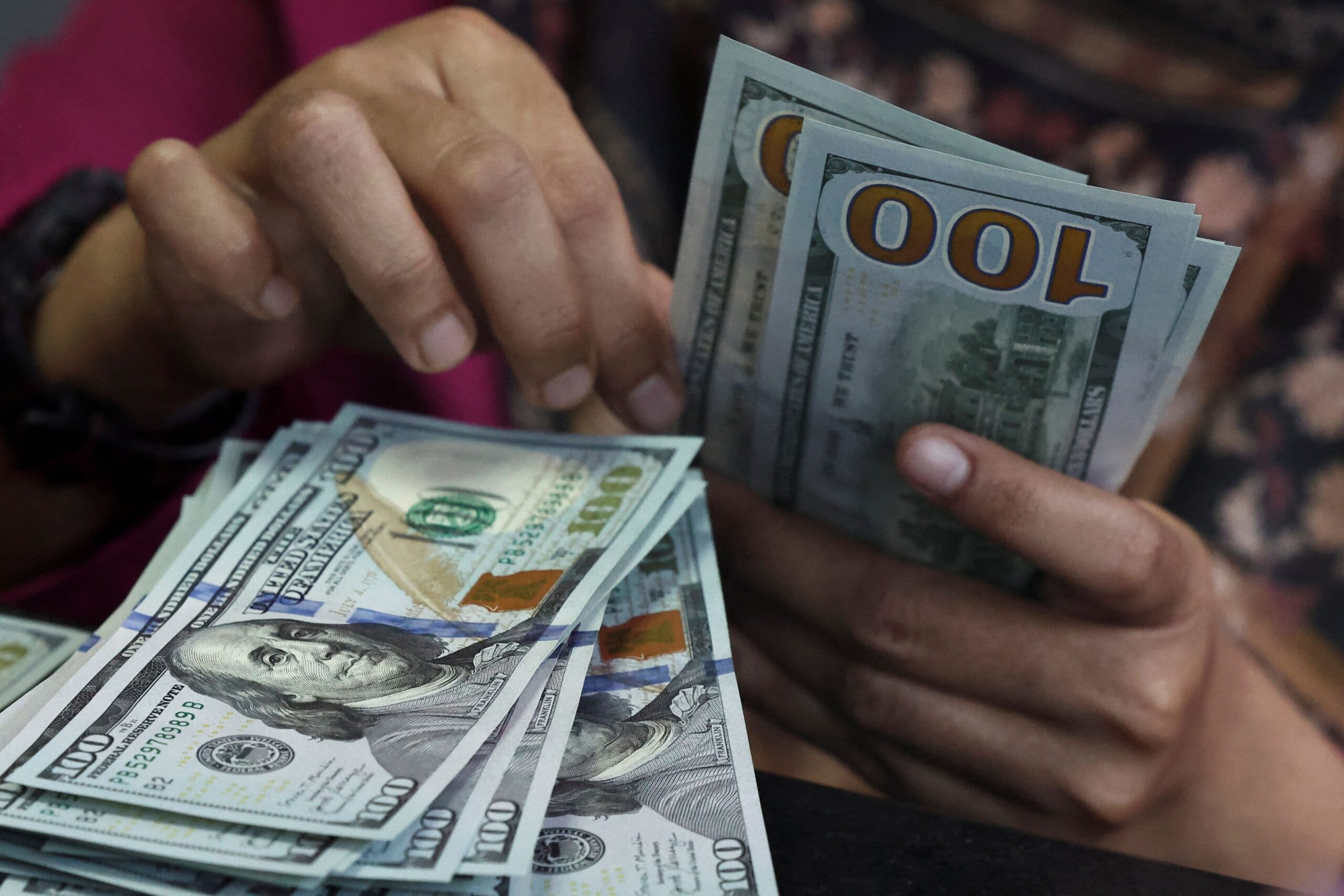
The U.S. dollar surged to its strongest level against the Japanese yen in nearly a year on Thursday, breaching the psychologically significant 157 mark and reigniting speculation that Tokyo may soon intervene to halt its currency’s precipitous decline.
The greenback climbed as high as 157.78 yen during late Asian trading hours, marking its most robust performance since January. The rally came on the heels of Federal Reserve meeting minutes that significantly dampened market expectations for a December interest rate cut, reinforcing the dollar’s dominance across global currency markets.
Japanese Officials Sound Alarm
The yen’s latest bout of weakness gained momentum after Finance Minister Satsuki Katayama revealed that no specific foreign exchange discussions had taken place during a recent meeting with Bank of Japan Governor Kazuo Ueda—a statement that some traders interpreted as a lack of coordinated urgency to defend the currency.
By European trading hours, the dollar had settled at 157.36 yen, still up 0.1% on the day. More troubling for Japanese policymakers, the yen has now depreciated approximately 6% since Prime Minister Sanae Takaichi assumed leadership of the ruling party last month—a slide that has persisted despite rising Japanese government bond yields.
“You must either believe that there’s a ‘Sell Japan’ narrative going on, or you take the view that these relationships are no longer stable,” said Vishnu Varathan, head of research for Asia at Mizuho, highlighting the unusual market dynamics that have seen the yen weaken even as the U.S.-Japan interest rate differential has narrowed.
Market participants are growing increasingly concerned about the massive borrowing requirements needed to finance Takaichi’s ambitious stimulus agenda, creating headwinds for the currency that traditional monetary policy levers appear unable to counteract.
Chief Cabinet Secretary Minoru Kihara acknowledged the government’s unease on Thursday, characterizing recent currency movements as “sharp, one-sided and concerning.” With the yen now hovering dangerously close to the 160 level—widely viewed as a potential intervention trigger—traders are on high alert for any signs of official market intervention from Japanese authorities.
Fed Minutes Deliver Hawkish Surprise
The dollar’s broad-based strength extended well beyond the yen, with the euro, Swiss franc, Australian dollar, and British pound all retreating against the greenback following Wednesday’s release of the Federal Reserve’s October meeting minutes.
The minutes revealed a notable divergence among policymakers regarding the path of interest rates. While “several” Fed officials viewed a December rate cut as likely, “many” participants had already dismissed the possibility entirely—a linguistic distinction that currency strategists quickly seized upon.
“In Fedspeak, ‘many’ means more than ‘several’, so I think there’s a bit of a hawkish message that’s supporting the dollar,” explained Moh Siong Sim, a strategist at Bank of Singapore.
The market reaction was swift and decisive. Expectations for a December rate cut have plummeted to below 25%, a dramatic reversal from just one month ago when such a move was priced as virtually certain. The dollar index, which measures the currency’s performance against a basket of major peers, reached 100.26—testing the six-month peak it hit in early November. The index gained 0.5% on Wednesday alone.
Broad Dollar Dominance
The euro fell 0.2% to $1.1515, hitting a two-week low, while sterling held steady at $1.3060—also its weakest level since early November. The Swiss franc, traditionally viewed as a safe-haven currency, dropped to a 10-day low of 0.8072 per dollar, pressured not only by dollar strength but also by robust results from technology giant Nvidia that encouraged investors to rotate out of defensive positions and into risk assets.
Stale Data Awaits
Market participants now turn their attention to September’s nonfarm payrolls report, scheduled for release at 8:30 a.m. Eastern Time. The data, significantly delayed by the recent U.S. government shutdown, poses an unusual challenge for investors: Can employment figures that are several months old still move markets in a meaningful way?
“Because they are several months out of date, the question for investors will be whether the number is sufficiently surprising to offset its staleness,” analysts noted, acknowledging the unprecedented nature of trading on such dated information in today’s fast-moving currency markets.
As the dollar continues its ascent and the yen tests critical support levels, all eyes remain fixed on Tokyo—where officials must decide whether verbal warnings will suffice, or if direct intervention becomes necessary to stem the tide.
WHAT YOU SHOULD KNOW
The U.S. dollar has surged to a 10-month high against the Japanese yen, reaching 157.78—perilously close to the 160 level where Tokyo may intervene. This rally was triggered by hawkish Federal Reserve minutes showing “many” officials oppose a December rate cut, causing market expectations to plummet from near-certainty to below 25% in just one month.