The U.S. dollar strengthened sharply against major currencies on Friday as escalating military confrontation between Israel and Iran sent investors scrambling for safe-haven assets, underscoring the greenback’s enduring role as a crisis currency despite broader concerns about American trade policy.
Israel executed a coordinated assault on Iranian territory, targeting nuclear installations and missile production facilities while eliminating multiple military commanders. Iran retaliated with a large-scale drone offensive against Israeli positions, marking a dangerous escalation in Middle Eastern tensions.
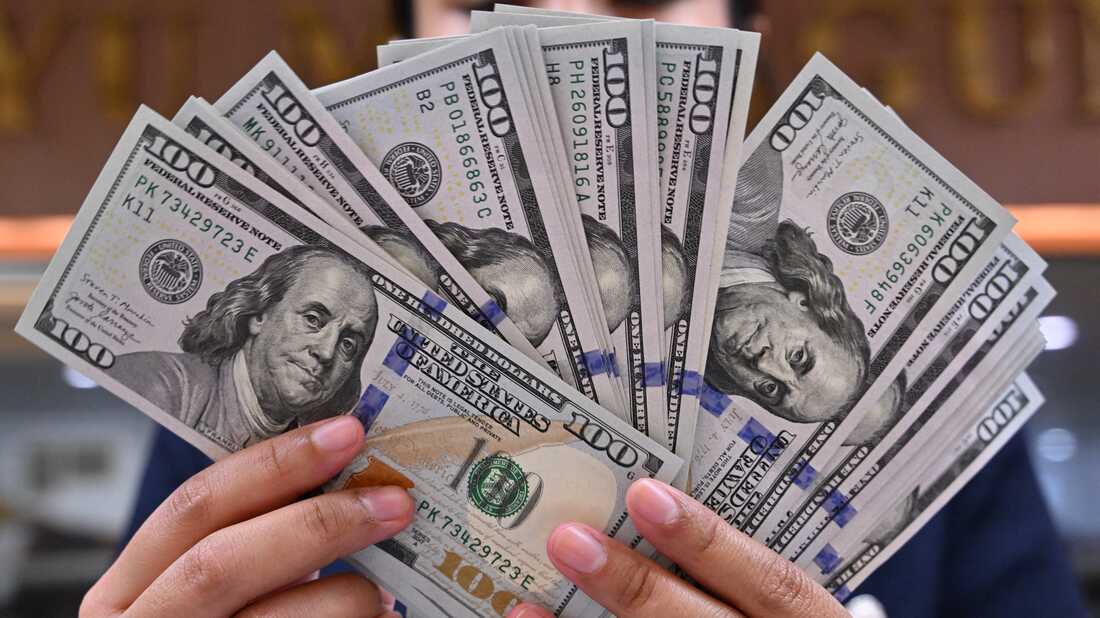
The dollar posted significant gains, climbing 0.62% to 144.36 against the Japanese yen and advancing 0.39% to 0.813 versus the Swiss franc. The euro retreated 0.67% to $1.1505, ending a four-session winning streak. The dollar index, which tracks the currency against a basket of major trading partners, jumped 0.82% to 98.48.
President Trump, maintaining America’s strong alliance with Israel, pressed Iran to negotiate limitations on its nuclear program, asserting that Tehran’s rejection of U.S. demands had precipitated the Israeli military action.
“This just landed on us, but the main concern remains tariffs and obstacles to global trade,” said Juan Perez, director of trading at Monex USA. “When you have a physical situation and potential for armed conflict to be prolonged and to escalate, the U.S. dollar and gold jump into safe-haven assets.”
The geopolitical shock waves rippled through commodity markets. Gold surged 1.68% to $3,441.04 per ounce as investors sought traditional hedges against uncertainty. Oil prices spiked 7% on supply disruption fears, with Brent crude reaching $74.23 per barrel at multi-month highs.
Despite Friday’s gains, the dollar remains on track for weekly losses against both the yen and franc, reflecting persistent investor anxiety over Trump’s trade policies. The currency’s mixed performance highlights the tension between its safe-haven appeal during crises and concerns about protectionist measures that could hamper global commerce.
“It’s difficult to fix every single item that we are facing this year that has crushed the market’s ability to believe in the U.S. dollar,” Perez noted. “But when it comes to military and physical aggression or armed conflict, globally there’s still a consensus that you should jump towards historically the safest assets.”
The market dynamics underscore how geopolitical volatility can temporarily override economic policy concerns, with investors defaulting to dollar-denominated assets when regional conflicts threaten broader stability.
WHAT YOU SHOULD KNOW
The U.S. dollar strengthened Friday as Israel and Iran engaged in direct military conflict, with Israel striking Iranian nuclear facilities and Iran retaliating with drone attacks.
Despite ongoing concerns about Trump’s trade policies that have weakened the dollar recently, the escalating Middle East crisis triggered a classic “flight to safety” response, driving investors back to the dollar and gold as traditional safe-haven assets.