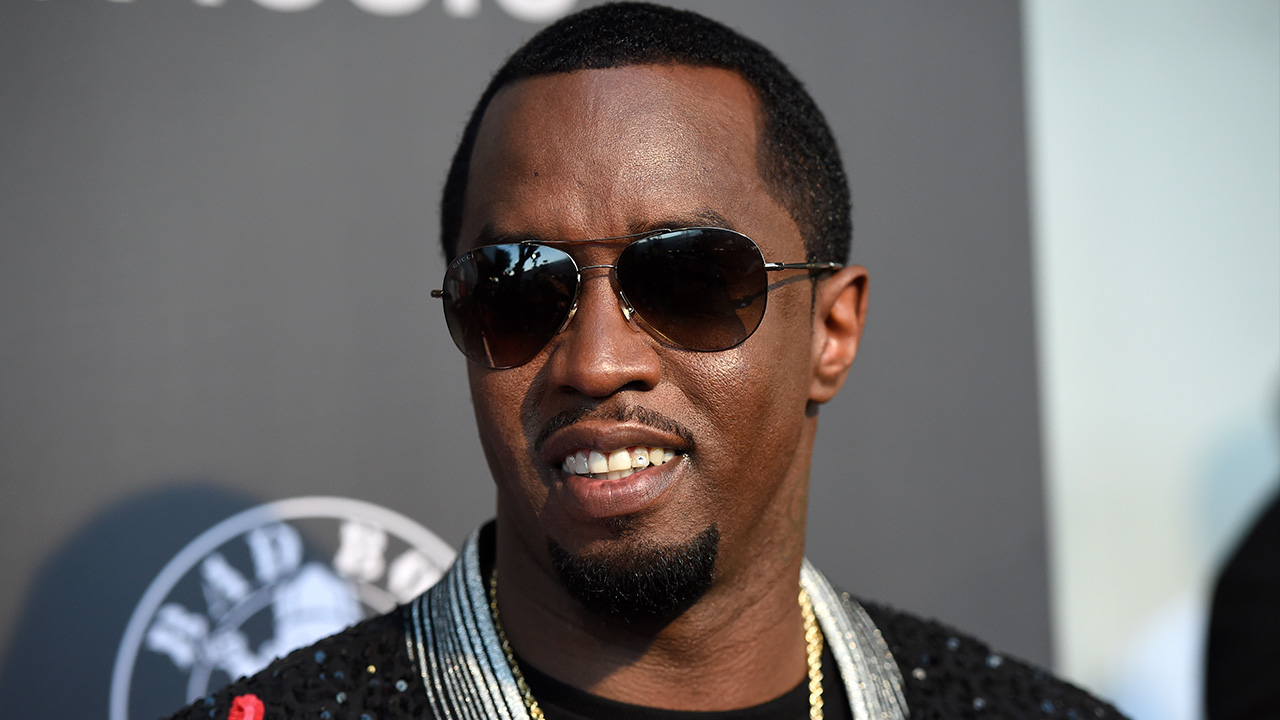
Federal prosecutors delivered a scathing 58-page rebuke on Wednesday to Sean “Diddy” Combs’ latest legal gambit, systematically dismantling the music mogul’s attempts to overturn his prostitution convictions through what they characterize as desperate constitutional arguments.
In a filing that pulls no punches, Manhattan federal prosecutors urged the court to reject Combs’ post-trial motion for acquittal or a new trial, calling his legal team’s First Amendment defense “baseless” and an “after-the-fact effort to avoid justice.”
The government’s response targets the heart of Combs’ novel legal strategy: his claim that the infamous “freak-offs” were protected speech under the First Amendment because they constituted amateur pornography production. Prosecutors paint a starkly different picture of the defendant’s role in these orchestrated encounters.
“The defendant was anything but a producer of adult films entitled to First Amendment protection,” federal attorneys wrote, describing Combs instead as “a voracious consumer of commercial sex, paying male commercial sex workers on hundreds of occasions to have sex with his girlfriends for his own sexual arousal.”
The legal clash stems from Combs’ convictions on two counts of interstate prostitution following a high-profile trial earlier this year. While jurors acquitted the Bad Boy Records founder on the more serious racketeering and sex trafficking charges that could have sent him to prison for decades, they found sufficient evidence to convict on the interstate prostitution counts related to his ex-girlfriend, Cassie Ventura, and other women.
The case centered around what prosecutors described as elaborate sexual encounters that Combs allegedly orchestrated and filmed, where women were coerced into having sex with male escorts while the defendant watched. These “freak-offs,” as they became known during trial testimony, formed the cornerstone of the government’s case against the entertainment executive.
Combs’ legal team had argued their client’s convictions were “unprecedented,” contending he was merely a customer—or “john”—rather than someone who should face federal prostitution charges. They maintained that since Combs wasn’t directly engaging in sexual acts with the paid participants, traditional prostitution laws shouldn’t apply.
But prosecutors rejected this characterization outright, drawing a more sinister comparison in their Wednesday filing. “He is in many respects more akin to a pimp than a john in that the defendant (the pimp) provides Ventura and Jane (the victims) to other men to have sex for his own personal benefit,” they argued.
The government’s response represents a significant moment in what has become one of the most closely watched celebrity criminal cases in recent years. The fall of Sean Combs—from hip-hop mogul and business titan to federal defendant—has captivated public attention and raised broader questions about power dynamics in the entertainment industry.
When Combs faces sentencing in October, he could receive between two and five years in federal prison on the prostitution convictions. While significantly less than the potential life sentence he faced on the dismissed racketeering charges, the convictions still represent a dramatic downfall for the 54-year-old entrepreneur who once commanded a business empire worth hundreds of millions of dollars.
The case has also highlighted prosecutorial strategies in pursuing powerful defendants, with the government successfully threading the needle between charges that proved difficult to sustain at trial and those that ultimately secured convictions.
The presiding judge now faces the task of evaluating Combs’ constitutional arguments against the government’s detailed rebuttal in the coming weeks before the October sentencing hearing. Legal experts will be watching closely to see whether the court finds any merit in the defense’s First Amendment claims or sides with prosecutors’ characterization of the case as a straightforward criminal matter.
For now, Combs remains a convicted felon awaiting his fate, his legal team’s creative constitutional defense having been met with prosecutorial fire that appears to leave little room for the kind of legal victory that might have restored his freedom.
WHAT YOU SHOULD KNOW
Sean “Diddy” Combs’ attempt to overturn his prostitution convictions by claiming his “freak-offs” were protected First Amendment speech has been firmly rejected by federal prosecutors.
The government argues Combs operated more like a pimp than a porn producer, orchestrating paid sexual encounters for his own gratification rather than creating legitimate adult content.
With prosecutors calling his constitutional defense “meritless,” Combs faces 2-5 years in prison when sentenced in October, marking a dramatic fall for the hip-hop mogul who was acquitted on more serious racketeering and sex trafficking charges but convicted on interstate prostitution counts.