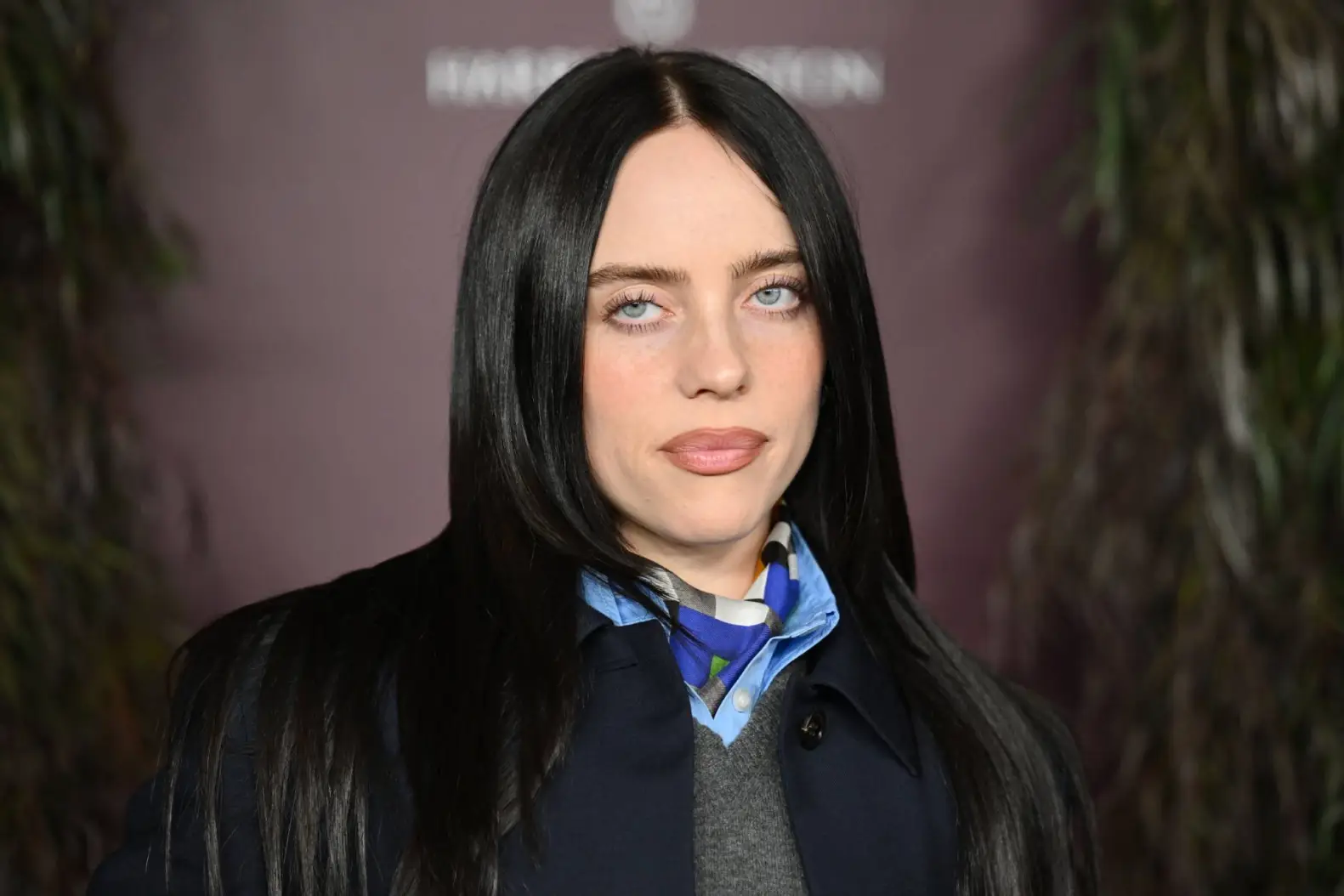
The Department of Homeland Security has issued a pointed rebuke to Grammy-winning artist Billie Eilish after she amplified criticism of Immigration and Customs Enforcement on social media, marking an escalation in the fallout from a deadly officer-involved shooting in Minneapolis this week.
DHS Assistant Secretary Tricia McLaughlin released a statement Friday night defending the actions of ICE officer Jonathan Ross, who fatally shot 37-year-old Renee Nicole Good on January 7 during an immigration enforcement operation. The statement came in direct response to Eilish resharing multiple Instagram posts characterizing ICE as a “federally funded and supported terrorist group.”
“Clearly, Billie Eilish has not seen the newly released footage, which corroborates what DHS has stated all along,” McLaughlin said, referring to body camera video that appears to have been recorded by Ross himself. The assistant secretary maintained that Good “weaponized her vehicle in an attempt to kill or cause bodily harm to federal law enforcement.”
The DHS narrative centers on footage showing Good attempting to drive away from officers during the confrontation. Federal officials contend the officer acted in self-defense when he opened fire, a position echoed by President Donald Trump and Vice President JD Vance. However, critics argue the video shows a woman simply trying to flee, not mount an attack.
McLaughlin’s response went beyond defending the specific incident, broadly challenging criticism of ICE operations and citing internal agency data alleging dramatic increases in assaults against immigration officers. “It’s garbage rhetoric from the likes of Billie Eilish that is leading to a 1,300% increase in assaults and a 3,200% increase in vehicle rammings against our brave law enforcement,” she claimed, though these statistics—published just one day after Good’s death—have not been independently verified.
The DHS also pushed back against claims that enforcement actions are separating families, stating that parents are given options regarding their children’s care, consistent with previous administrations’ policies.
Eilish, a nine-time Grammy winner known for her outspoken advocacy, did not provide original commentary but amplified several posts from other creators. These included calls to “abolish ICE,” demands for Ross’s arrest and prosecution, and appeals for supporters to contact congressional representatives.
The shooting has ignited fierce debate about immigration enforcement tactics under the Trump administration. Minneapolis Mayor Jacob Frey delivered an expletive-laden denunciation of ICE at a January 8 press conference, declaring officers should “get the f—k out of Minneapolis” and characterizing the incident as “an agent recklessly using power that resulted in somebody dying.”
Even President Trump appeared to struggle with the optics during an Oval Office viewing of the footage, according to The New York Times. “I think it’s horrible to watch. No, I hate to see it,” he reportedly said, a rare moment of visible discomfort for the administration.
The incident has galvanized opposition in Minneapolis, where residents have organized vigils and protests. Eilish joins other prominent artists, including Olivia Rodrigo and Tyler, the Creator, who have condemned the administration’s immigration enforcement approach.
As the controversy continues to unfold, the clash between a federal agency and one of pop music’s biggest stars underscores the deepening divisions over immigration policy and the use of force by law enforcement—divisions that show no signs of abating.
WHAT YOU SHOULD KNOW
The Department of Homeland Security publicly attacked Billie Eilish after she shared Instagram posts calling ICE a “terrorist group” following the fatal shooting of a Minneapolis woman by an ICE officer.
DHS claims the officer acted in self-defense when 37-year-old Renee Nicole Good tried to drive away during an enforcement operation, but the incident has sparked widespread outrage—even President Trump admitted the footage was “horrible to watch.”
This unprecedented clash between a federal agency and a pop star reveals how deeply polarized the debate over immigration enforcement has become under the Trump administration.