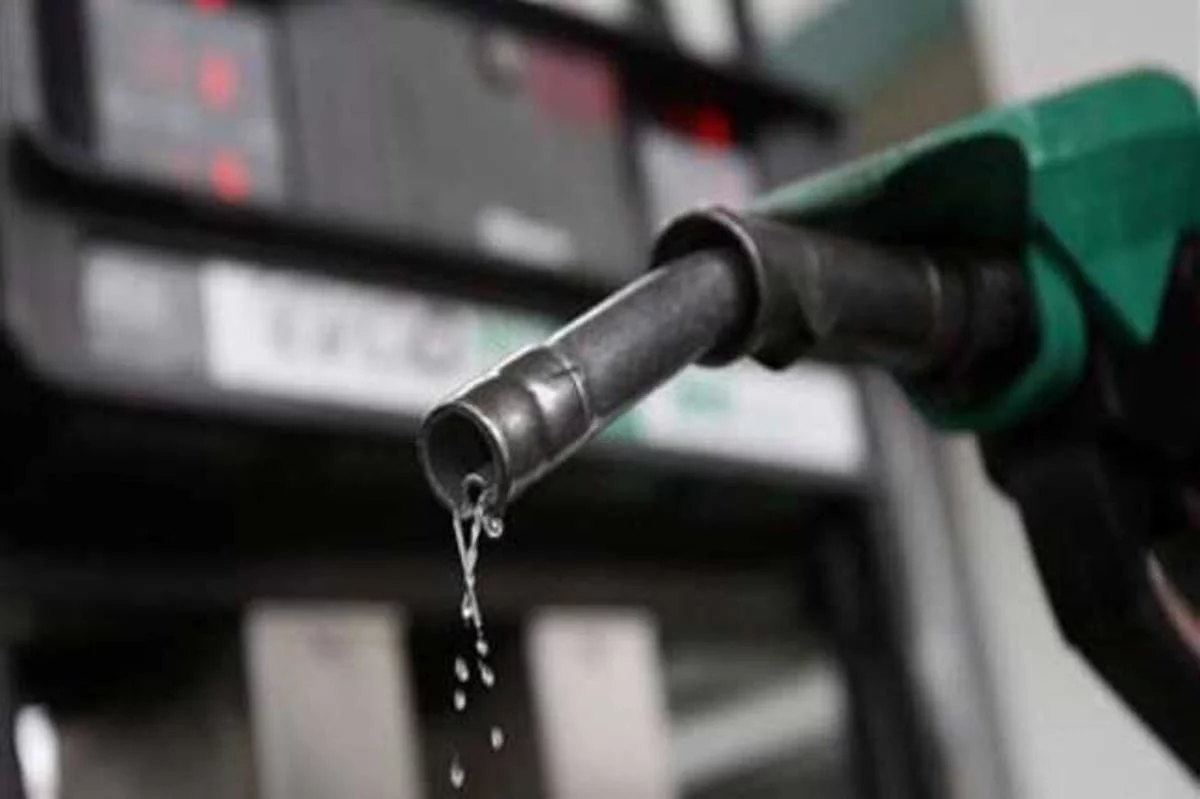
The Dangote Petroleum Refinery announced on Monday a sharp increase in the gantry price of Premium Motor Spirit (PMS), commonly known as petrol, to N1,175 per liter.
This marks the third price adjustment within a single week, escalating from the previous rate of N995 per liter and representing an 18% surge in just three days. The refinery also revised the price of Automotive Gas Oil (AGO), or diesel, to N1,620 per liter, further intensifying concerns over rising transportation and production costs nationwide.
A senior official from the refinery confirmed the changes, attributing them to volatile global crude oil markets and escalating replacement costs. “The review became necessary due to changes in global crude fundamentals,” the official stated, echoing sentiments from earlier adjustments tied to geopolitical tensions in the Middle East and supply disruptions.
This latest hike follows a rapid series of increases: the ex-depot price jumped from N774 to N874 early last week, then to N995 by Friday, and now to N1,175—a cumulative rise of approximately N401 per liter in under seven days.
Industry insiders and marketers were quick to react, with many expressing frustration over the frequency of these adjustments. The Independent Petroleum Marketers Association of Nigeria (IPMAN) warned that retail prices at filling stations could soon climb to between N1,200 and N1,300 per liter in major cities like Lagos and Abuja, depending on logistics and regional supply chains.
Already, some depots are quoting prices near N1,000 to N1,010 per liter for wholesalers, excluding additional fees for transportation. In Lagos, where fuel demand is among the highest in the country, independent stations have begun adjusting pump prices upward to N1,040 or more, while northern regions like the Northwest are seeing rates around N1,013 per liter.
The implications of this price spiral extend far beyond the pump. Fuel costs are a cornerstone of Nigeria’s economy, directly influencing transportation, manufacturing, and agriculture.
The Dangote Refinery, Africa’s largest with a capacity of 650,000 barrels per day, began commercial operations in late 2023 and has positioned itself as a game-changer for Nigeria’s energy independence by reducing reliance on imported refined products.
However, critics argue that its pricing remains heavily influenced by international benchmarks like Brent crude, which recently surpassed $80 per barrel amid Middle East conflicts. Calls have intensified for the Nigerian government to expand its “naira-for-crude” policy, allowing local refineries like Dangote to purchase domestic crude in local currency to shield against forex pressures and stabilize prices.
In response, the refinery has defended the adjustments, emphasizing that Nigeria’s domestic refining capacity will insulate the country from global supply shocks in the long term. Yet, with loading operations reportedly halted over the weekend amid speculation of further hikes, marketers remain on edge.
This development comes at a precarious time for President Bola Tinubu‘s administration, which has prioritized economic reforms but faces mounting public discontent over living costs.
WHAT YOU SHOULD KNOW
The Dangote Petroleum Refinery has increased petrol prices to N1,175 per liter—the third hike in just one week—driven primarily by volatile global crude oil prices and rising replacement costs.
This rapid escalation is the single most important factor Nigerians should note, as it will almost certainly push up transportation, food, and overall living costs across the country in the coming days and weeks.