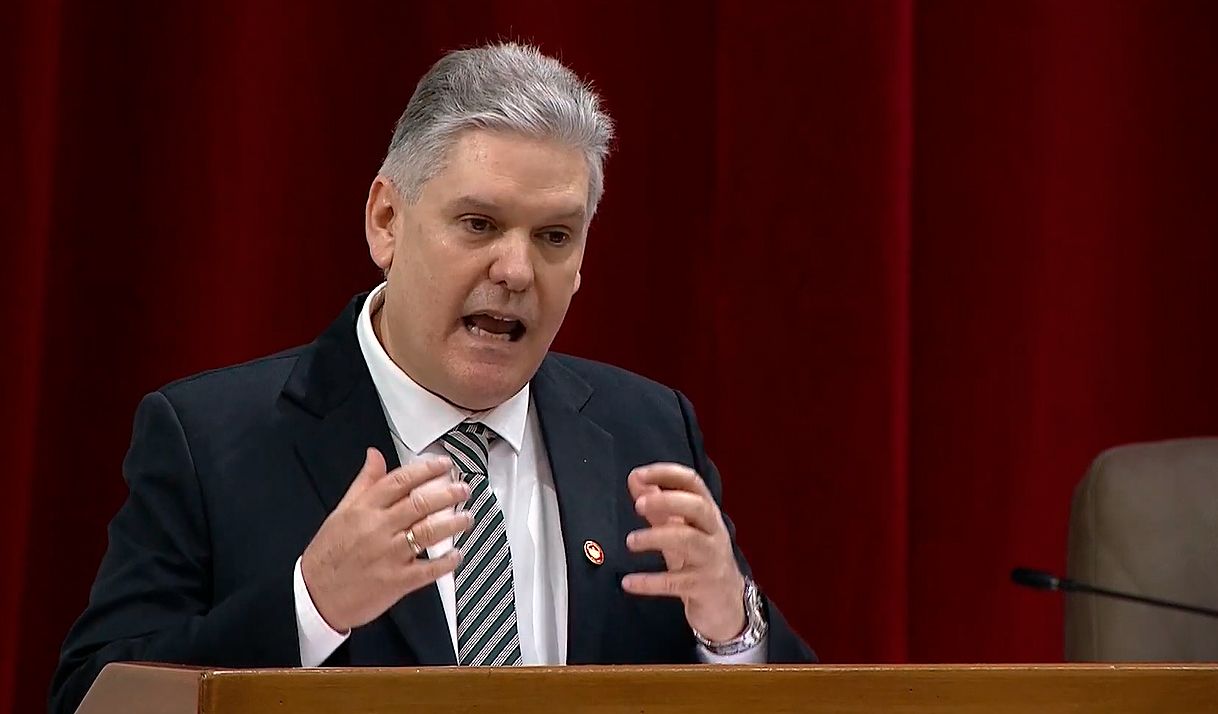
Cuban prosecutors have officially charged former Minister of Economy and Planning, Alejandro Gil, with espionage and several corruption-related crimes, including bribery, embezzlement, and tax evasion.
The announcement was made by the office of the attorney general on Friday evening.
Gil, aged 61, served as Cuba’s economy minister from 2019 until his dismissal in February 2024. His removal from office was followed by an official statement from the government indicating that he was under investigation for “committing serious errors,” though no specific details were given at the time.
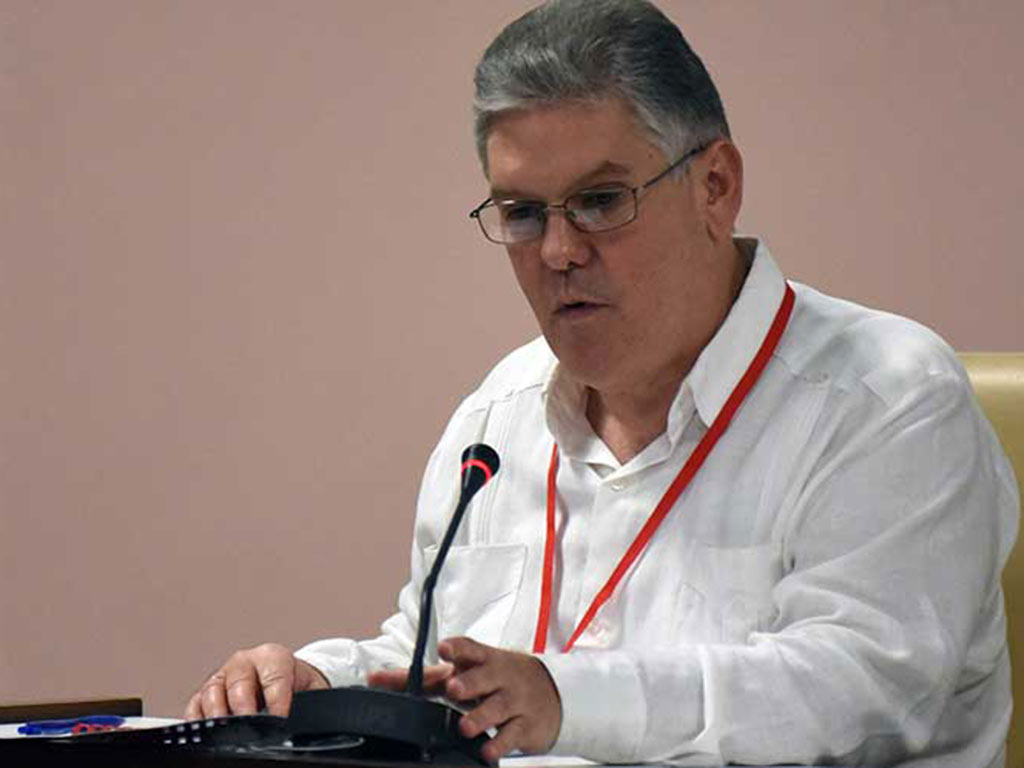
According to the attorney general’s statement, prosecutors are now seeking to hold Gil and several unnamed individuals accountable for “crimes of espionage” and other offenses described as “acts detrimental to economic activity.” The charges extend to include “embezzlement, bribery, falsification of public documents, tax evasion, influence peddling, money laundering, violation of classified document protection regulations, and theft and degradation of documents or other items under official custody.”
Authorities did not disclose who might have benefited from the alleged espionage or financial misconduct, nor did they specify the countries or entities potentially involved. The attorney general’s office confirmed that prison sentences have been requested for Gil and the other accused, with the severity depending on each individual’s role in the alleged crimes. However, no date has yet been set for the commencement of the trial.
The case marks one of the most high-profile corruption and espionage allegations against a Cuban official in recent years, raising questions about internal accountability and transparency within the country’s leadership.
What you should know
Alejandro Gil, once a key figure in Cuba’s economic management, now faces grave charges including espionage and financial crimes.
His fall from power and subsequent prosecution highlight deep tensions within Cuba’s political system, where the government has recently taken a tougher stance on corruption and internal dissent amid growing economic struggles.