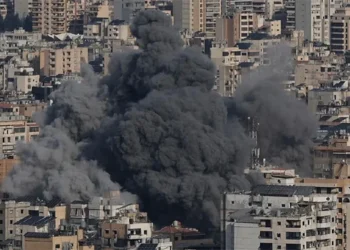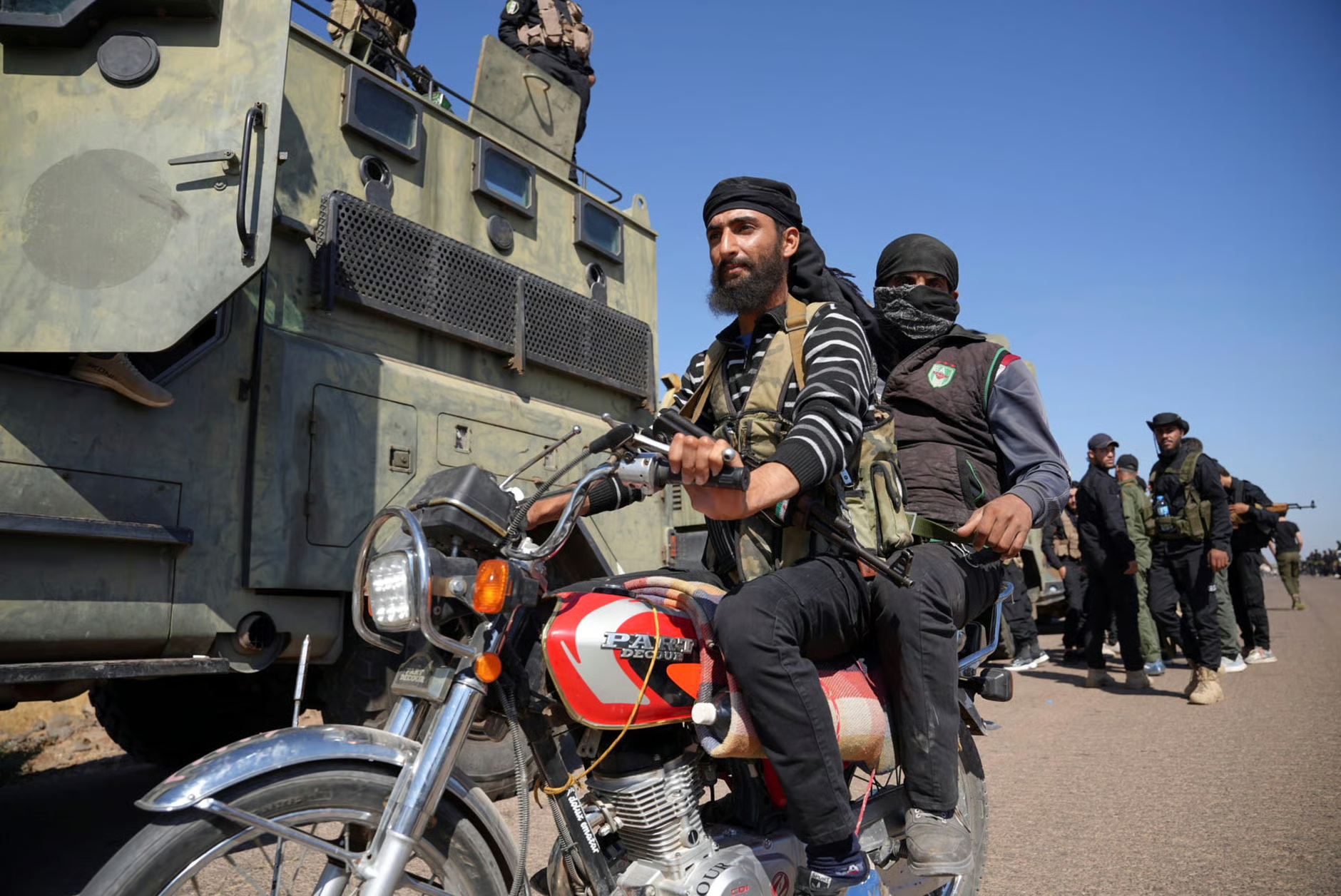
The southern Syrian province of Sweida descended into chaos as fierce confrontations between Druze fighters and Sunni Bedouin tribes claimed the lives of at least 89 individuals over two consecutive days of escalating violence.
The outbreak of hostilities comes amid heightened tensions in a deeply fragmented Syria still reeling from the aftermath of nearly a decade and a half of civil conflict.
In an unexpected turn, the Israeli military confirmed it had targeted “several tanks” in Sweida. Though details of the strikes remain sparse, Israel’s involvement signals a potentially broader regional implication, especially as it has previously vowed to act in defense of the Druze community in Syria.
The eruption of conflict followed a series of retaliatory abductions. According to reports from local media outlet Suwayda 24, the crisis began on Sunday when Bedouin gunmen abducted a Druze vegetable trader on the highway leading to Damascus. In response, Druze armed groups kidnapped several members of the Bedouin community. Despite efforts to release the captives on both sides, violence continued to rage on Monday, resulting in mortar attacks on villages surrounding Sweida city, leaving dozens wounded.
Inside Sweida city, an AFP journalist noted that the atmosphere was tense and the streets largely deserted. Gunfire rang out even during funeral ceremonies. One resident, Abu Taym, a 51-year-old father, described the terrifying conditions under which locals were living, saying, “We lived in a state of extreme terror—the shells were falling randomly.” He added that movement had virtually halted, and most businesses remained shut as residents sheltered indoors.
The toll from the clashes continued to rise throughout the day. The UK-based Syrian Observatory for Human Rights, which relies on a vast network of sources on the ground, reported that among the dead were 46 Druze fighters, four civilians, 18 Bedouin combatants, and seven individuals whose identities remain unknown but who were dressed in military attire. In addition, six members of the Syrian security forces were killed in what the Defense Ministry referred to as “disengagement operations.”
Sweida’s governor, Mustapha al-Bakur, appealed to residents to exercise restraint, while both the Syrian military and interior ministries announced measures aimed at ending the violence swiftly. These measures include deploying troops, creating safe corridors for civilians, and promising a decisive response to restore order in the province.
On the outskirts of Sweida city, scenes of mobilization played out as vehicles filled with armed fighters, large convoys from the interior ministry, and ambulances ferried the wounded toward hospitals in Damascus. A defense ministry insider confirmed that several government troops lost their lives while attempting to de-escalate the conflict.
Druze spiritual leaders have called for calm while urging the Damascus authorities to intervene meaningfully. One of the three main Druze religious figures in Sweida, Sheikh Hikmat al-Hijri, expressed opposition to the entrance of general security forces into the province and instead called for “international protection” for the embattled region.
Interior Minister Anas Khattab, reflecting on the deteriorating conditions in Sweida, said in a post on X (formerly Twitter), “The lack of state, military and security institutions is a major reason for the ongoing tensions in Sweida.” He emphasized that re-establishing these institutions was essential to restoring civil peace.
The conflict marks the latest episode in a string of violent incidents involving Druze fighters and other groups. In both April and May, Sweida and neighboring Druze-populated regions witnessed deadly confrontations between local militias and Syrian government forces, which resulted in over 100 deaths. Since May, Druze fighters have taken over security roles in the province, although Bedouin militias continue to maintain a presence in various districts, laying the groundwork for further clashes.
The education ministry, in response to the deteriorating security situation, has postponed Monday’s scheduled secondary school exams in Sweida.
Syria’s Druze community, estimated at about 700,000 before the war, remains a significant minority primarily concentrated in Sweida. The Druze, adherents of a monotheistic religion that emerged from Islam, also have populations in Lebanon and Israel. Historically, the Druze and Bedouins have clashed intermittently, but the latest flare-up has been the most deadly in recent years.
The recent conflict follows a spike in sectarian violence earlier in the year, particularly a March offensive targeting the Alawite minority, which left more than 1,700 dead. That bloodshed, along with recent assaults on Druze communities, has stirred fears about the Syrian interim government’s capacity to safeguard minority populations. Following the Alawite attacks, Israel launched several airstrikes in Syria, including one near the presidential compound in Damascus, citing the need to protect vulnerable groups.
Israel’s intervention in the current conflict may deepen tensions in the already volatile region. Israel, which has occupied the Golan Heights since 1967, is home to about 152,000 Druze, including 24,000 living in the occupied territory. Only a small percentage—fewer than five percent—hold Israeli citizenship.
With the interim leadership of Ahmad al-Sharaa facing multiple flashpoints across Syria, the renewed violence in Sweida adds yet another layer of instability. The government’s pledges to respond swiftly are now being closely watched both domestically and internationally as the situation remains fluid and unpredictable.
What you should know
The Druze community in Syria, a religious minority concentrated largely in Sweida province, has historically maintained a delicate balance within the country’s sectarian mosaic. Since the collapse of central authority following Assad’s ouster, local groups like the Druze have taken up arms to defend their territories.
The Bedouin-Druze feud, rooted in generational rivalries and political allegiances, has re-emerged with deadly consequences. Israel’s recent involvement underscores the potential for wider regional escalation.