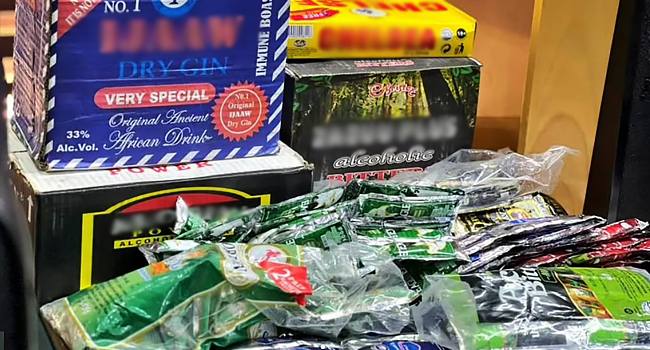
A civic advocacy organisation, Concerned Citizens for Change, has criticised what it described as the alleged commencement of enforcement of a ban on the production, distribution and consumption of alcoholic beverages in sachets and small PET or glass bottles below 200ml, warning that the move is hasty, undemocratic and economically dangerous.
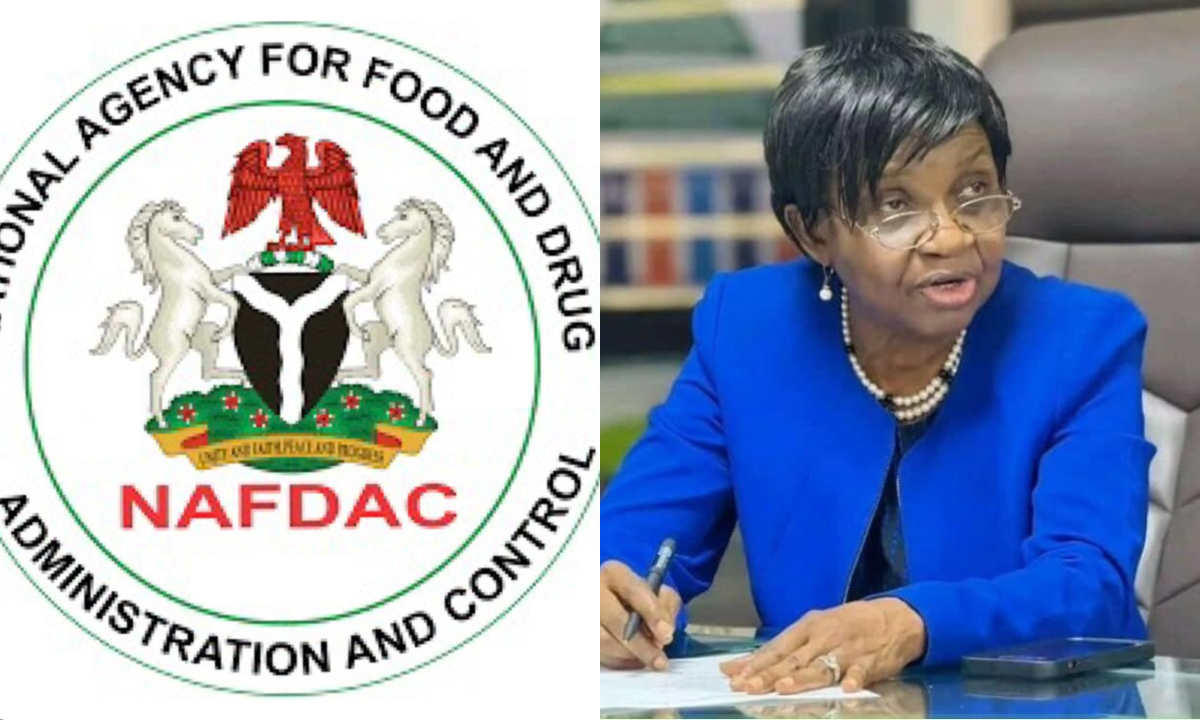
At a press conference held in Abuja on Friday, the group raised concerns over reports attributed to the National Agency for Food and Drug Administration and Control suggesting that enforcement of the ban had begun, allegedly based on resolutions of the Senate.
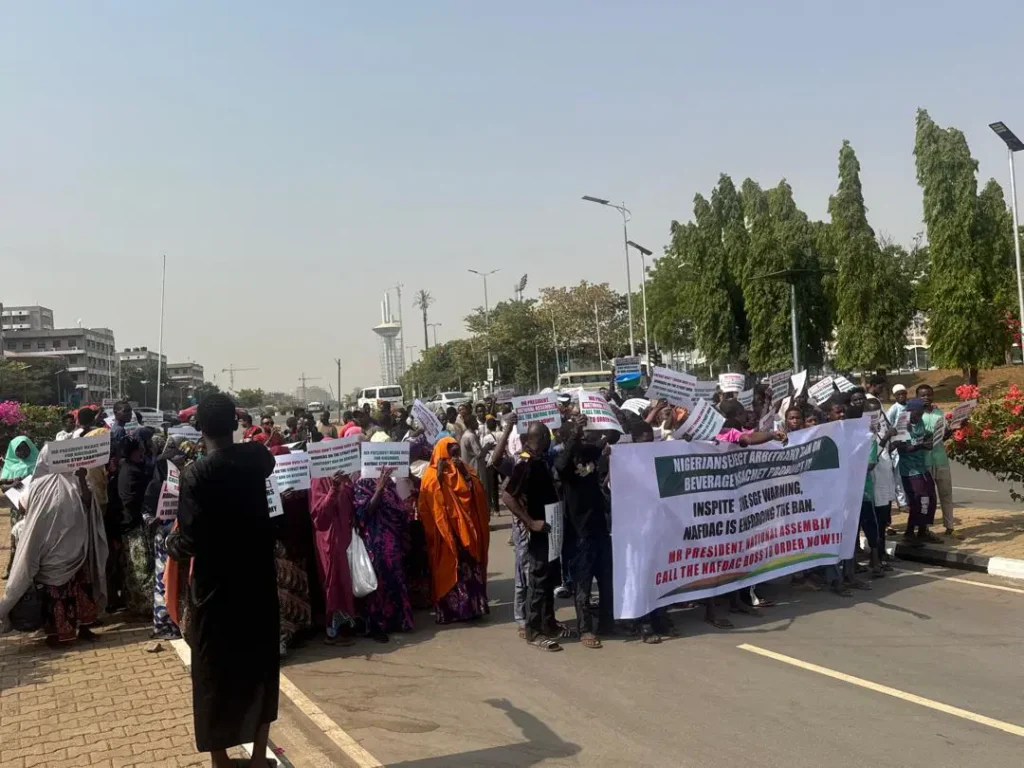
According to the group, such action contradicts an earlier inclusive and consultative process led by the Federal Ministry of Health, which culminated in the drafting and validation of a National Alcohol Policy.
Speaking for the group, Comrade Oluoha Godwin Chukwudi said the reported enforcement announcement, credited to NAFDAC Director-General, Prof. Mojisola Christianah Adeyeye, appeared to ignore extensive stakeholder engagements that involved industry operators, regulators and lawmakers.
Chukwudi recalled that the issue had been thoroughly deliberated at a stakeholders’ meeting convened by the Ministry of Health, with members of the House of Representatives actively participating. He said the engagement produced key resolutions, including a one-year extension for implementation and the adoption of a multi-sectoral framework through a National Alcohol Policy.
“The alleged outright ban is at variance with resolutions jointly agreed upon by stakeholders and supervised by the Ministry of Health, which constitutionally oversees NAFDAC,” he said. “It is surprising that NAFDAC would sidestep this inclusive framework and move towards enforcement without broad consultation.”
The group also challenged claims linking sachet alcohol to widespread underage consumption, arguing that several independent studies had reportedly debunked such narratives. It added that operators in the alcohol industry had made significant investments in responsible-drinking campaigns, spending more than N1 billion on nationwide media sensitisation to discourage underage drinking.
Concerned Citizens for Change warned that enforcing the ban could have severe economic implications, including the possible loss of over N1.9 trillion in investments, the retrenchment of more than 500,000 direct workers and the disruption of about five million indirect jobs across the alcohol value chain.
According to the group, these outcomes would further weaken manufacturing growth and suppress local entrepreneurship at a time when the economy is only beginning to show signs of gradual recovery.
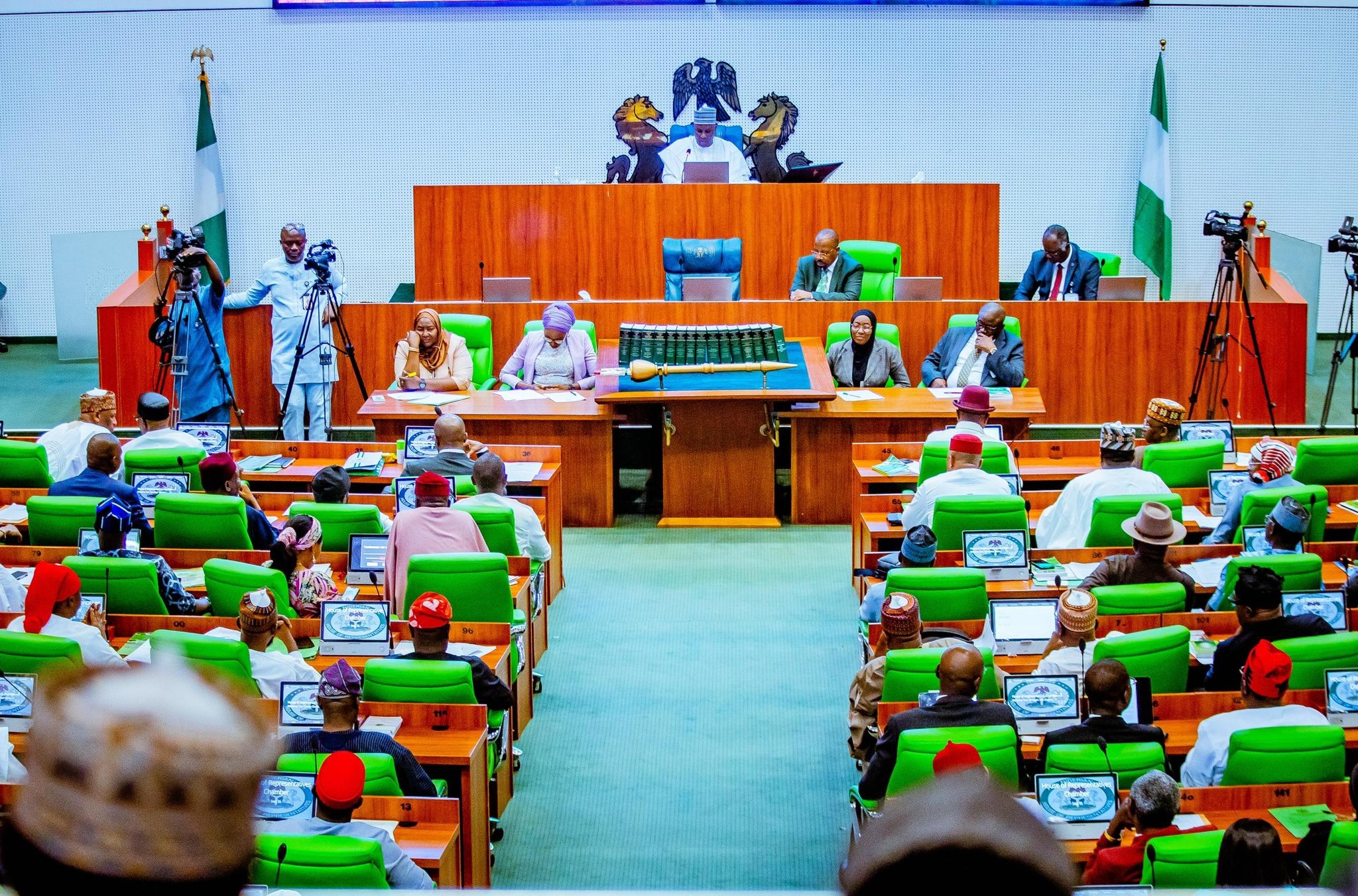
The group called on the Minister and Coordinating Minister of Health and Social Welfare to formally endorse and implement the validated National Alcohol Policy and its multi-sectoral approach. It also urged the Senate to re-examine the matter through a fresh and comprehensive stakeholders’ consultation, similar to the earlier process undertaken by the House of Representatives.
In addition, the group appealed to the Senate to withdraw any directive authorising enforcement of the ban and to restrain NAFDAC from proceeding with implementation pending the full rollout of the National Alcohol Policy.
In a strongly worded statement, the group accused the NAFDAC leadership of acting unilaterally and called on the Director-General to step aside, alleging that her actions were inconsistent with the Federal Government’s Renewed Hope Agenda under President Bola Ahmed Tinubu.
The press briefing ended with a renewed call for dialogue, transparency and strict adherence to due process in resolving the ongoing controversy surrounding the regulation of sachet alcohol.
What you should know
The regulation of sachet alcohol has been a contentious issue in Nigeria due to its economic and social implications.
While health authorities argue for stricter controls to address public health concerns, industry stakeholders insist that a sudden ban could harm millions of livelihoods and undermine investments worth trillions of naira. The National Alcohol Policy, developed through consultations led by the Ministry of Health, was designed to balance public health objectives with economic realities.
The current controversy centres on whether enforcement actions align with that agreed framework and due process.