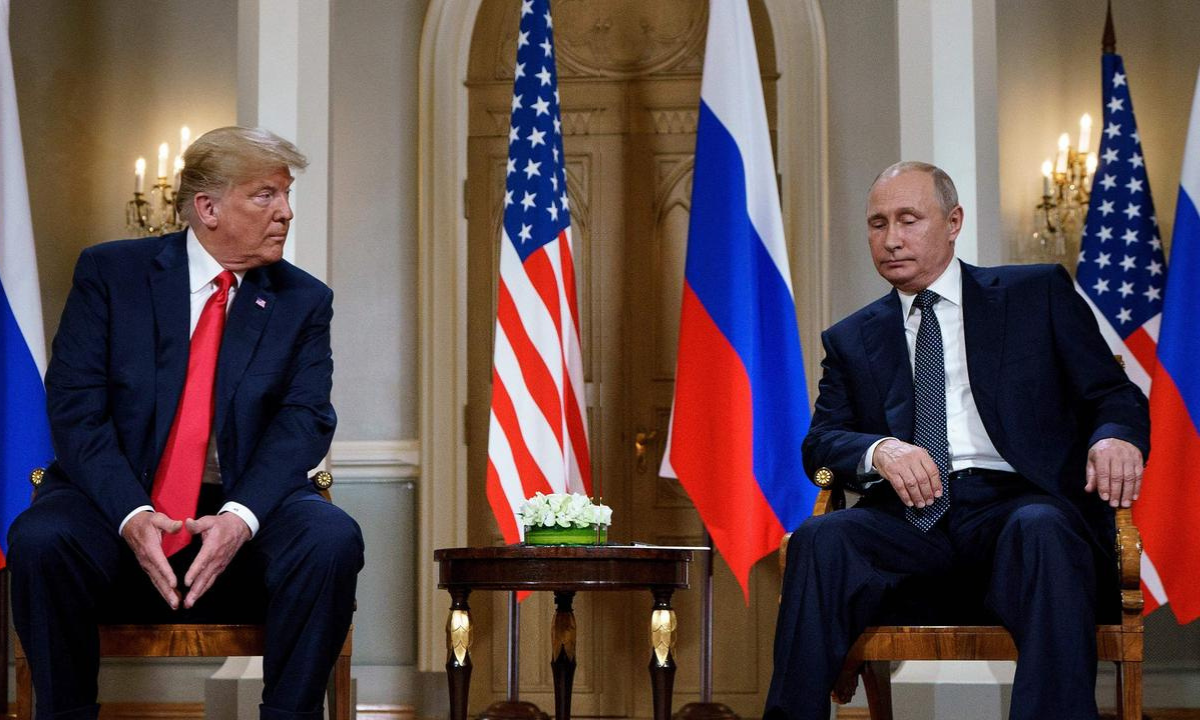
Since President Donald Trump returned to office in January, he has implemented 10 percent tariffs on most U.S. trading partners and a 145 percent tariff on numerous Chinese goods.
In retaliation, China imposed 125 percent tariffs on U.S. products. At a Beijing press conference, Chinese official Zhao Chenxin defended China’s stance, claiming it is “on the right side of history” and criticizing U.S. “unilateralism and bullying.” He argued that opposing global cooperation leads to isolation, while aligning with morality ensures future success.
U.S. Treasury Secretary Scott Bessent justified Trump’s tariff strategy as creating “strategic uncertainty” to strengthen Washington’s position, prompting Beijing to call for “fair, respectful, and reciprocal” dialogue and an end to U.S. threats.
Many countries face a July deadline to negotiate with the U.S. to avoid higher tariffs, but China has pledged to continue the trade war “to the end,” denying any ongoing talks with Washington.
Chinese officials admitted that global economic challenges and U.S. tariffs have strained its export-driven economy, with Yu Jiadong of the labor ministry noting increased pressure on export-oriented firms and workers’ jobs.
WHAT YOU SHOULD KNOW
Trump’s aggressive tariffs aim to reshape global trade in America’s favor but risk market instability and diplomatic isolation.
China’s defiant response reflects its determination to protect its economic model and global ambitions, even as it grapples with domestic vulnerabilities.
ALSO READ TOP STORIES FROM VERILY NEWS