Chad’s parliament on Friday voted overwhelmingly to abolish presidential term limits, a decision that opposition groups say entrenches President Mahamat Idriss Deby’s hold on power.
Deby, who assumed office in 2021 after the battlefield death of his father and long-time ruler Idriss Deby Itno, was formally elected in May 2024 in a vote boycotted by most opposition parties. The latest reform, introduced by Deby’s Patriotic Salvation Movement (MPS), passed with 236 of 257 lawmakers in favour and none against.
The amendment extends presidential terms from five to seven years and removes limits on re-election, effectively allowing Deby to remain in office indefinitely. Critics say it grants him “two bonus years” before the new mandate takes effect at the next presidential election.
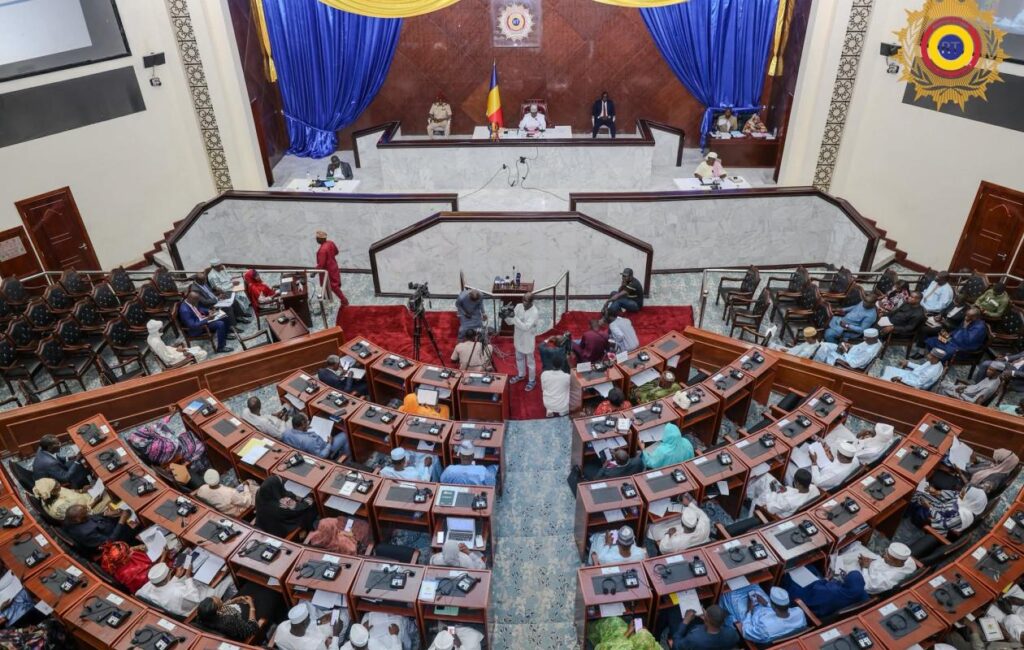
Opposition voices condemned the move as undemocratic. Former prime minister Albert Pahimi Padacke, leader of the RNDT party, called the reform “unconstitutional and authoritarian” in a letter to lawmakers before his party staged a walkout.
The reform also creates a deputy prime minister post, extends parliamentary terms from five to six years, and restores immunity for government members.
Chad has faced persistent political turmoil. Earlier this year, parliamentary and Senate elections were held for the first time since 2015, but the opposition denounced the process as rigged. Opposition leader Succes Masra, head of the Transformers party, was sentenced to 20 years in prison in August on charges of inciting violence, which his lawyer described as politically motivated.
What you should know
The constitutional reform paves the way for President Mahamat Idriss Deby to potentially rule Chad indefinitely, deepening fears of authoritarian consolidation.
While his allies argue the changes strengthen governance, critics warn the move undermines democracy in a nation already grappling with instability and opposition crackdowns.