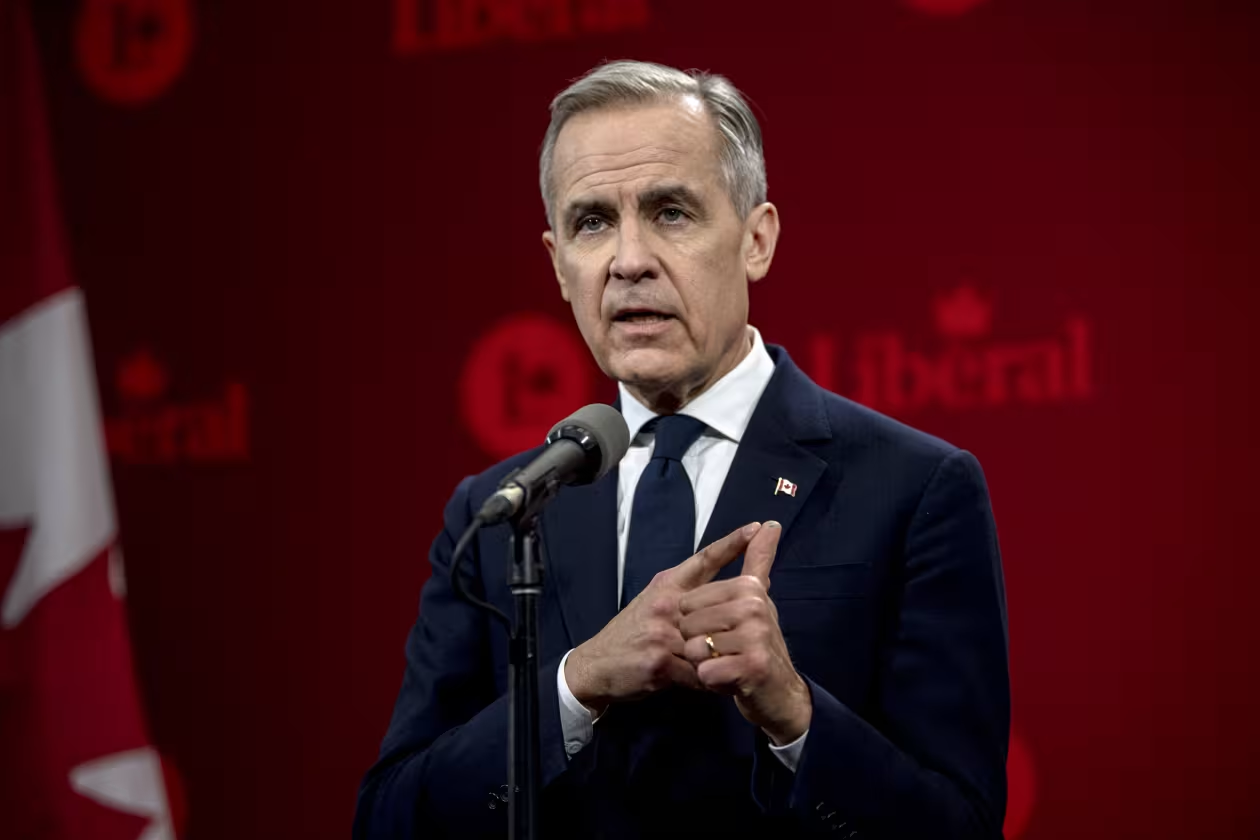
Prime Minister Mark Carney has expressed deep dissatisfaction with the United States’ latest move to raise tariffs on Canadian goods, calling the decision “disappointing” and indicative of escalating diplomatic tensions between both nations.
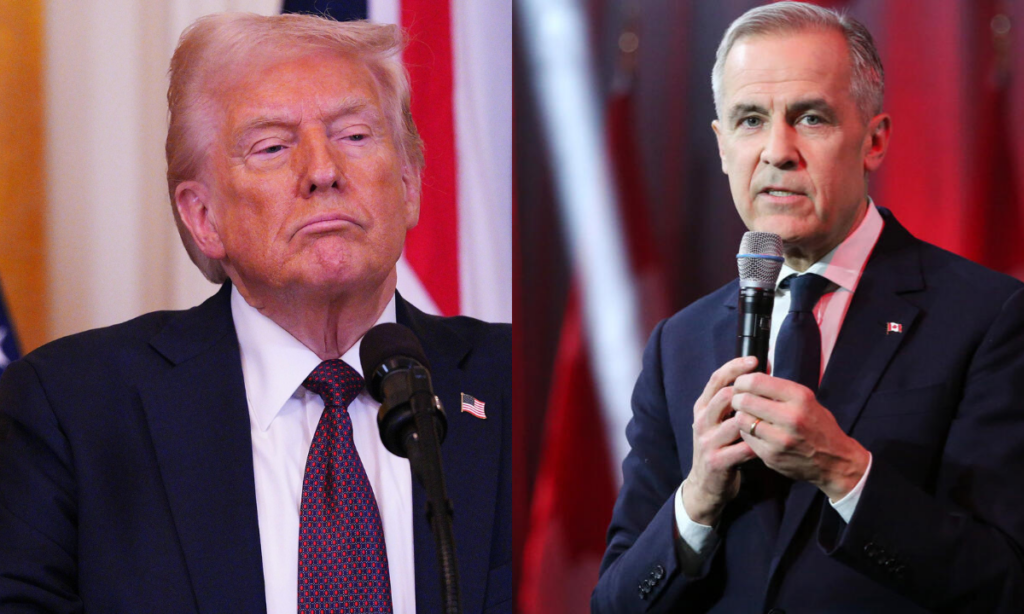
On Friday, Carney issued a formal statement responding to President Donald Trump’s decision to increase tariffs on Canadian exports from 25 percent to 35 percent through a newly signed executive order. This significant escalation in trade penalties comes on the heels of Ottawa’s announcement that it intends to formally recognize a Palestinian state at the United Nations General Assembly scheduled for September.
President Trump had earlier warned that Canada’s foreign policy direction could trigger economic retaliation. In his executive order, he justified the tariff hike by citing two core grievances: Canada’s alleged failure to adequately cooperate in efforts to stem the trafficking of fentanyl and other illicit substances into the US, and what he referred to as Canada’s retaliatory stance toward earlier American trade actions.
Despite the tariff increase, several goods covered under the 2020 United States-Mexico-Canada Agreement (USMCA) remain exempt, leaving parts of the economic relationship intact. However, Prime Minister Carney underscored the damaging implications for several critical sectors.
“The Canadian government is disappointed by this action,” Carney stated, emphasizing that while trade protections remain for some items under CUSMA (Canada-United States-Mexico Agreement), other key industries are facing significant hardship. “Other sectors of our economy—including lumber, steel, aluminum and automobiles—are, however, heavily impacted by US duties and tariffs.”
Carney also defended Canada’s record on combating the fentanyl crisis, pushing back against the White House’s rationale. “Canada accounts for only one percent of US fentanyl imports and has been working intensively to further reduce these volumes,” he noted, while also highlighting ongoing efforts to strengthen border security and intensify drug control strategies.
The Prime Minister reaffirmed Canada’s commitment to CUSMA, citing its importance in maintaining a relatively low tariff baseline for Canadian goods in the broader scope of US international trade policy. “The US application of CUSMA means that the US average tariff rate on Canadian goods remains one of its lowest for all of its trading partners,” he added.
As diplomatic and economic tensions rise, it remains to be seen whether the current tariff conflict will escalate further or give way to renewed dialogue between the two allies.
What You Should Know
The recent hike in US tariffs on Canadian goods to 35% represents a sharp shift in North American trade relations, triggered largely by Canada’s recognition of Palestine and US frustration over cross-border drug enforcement.
Although major sectors like steel and automobiles will bear the brunt, exemptions under CUSMA help cushion the blow for some industries.
Prime Minister Carney’s firm stance suggests that Ottawa is unlikely to back down on its foreign policy decisions — setting the stage for a deeper standoff between economic cooperation and political divergence.