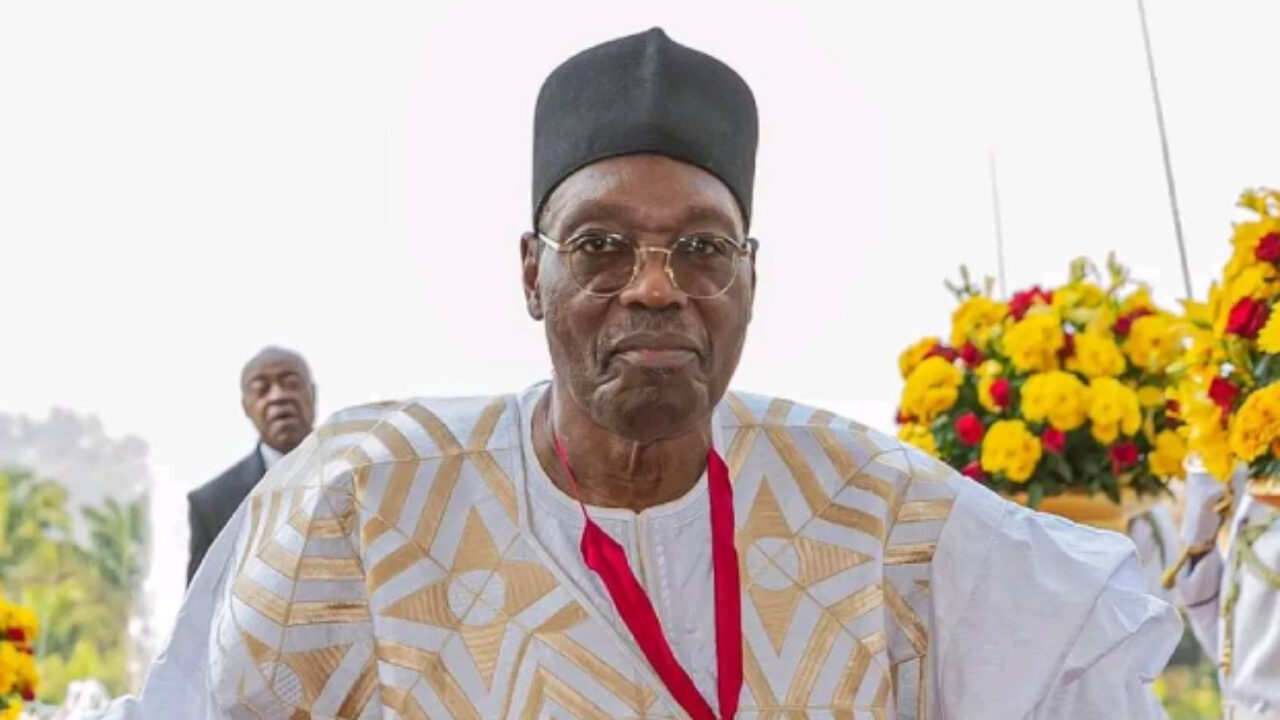
Cameroon’s opposition candidate, Issa Tchiroma Bakary, has declared victory in the country’s recently concluded presidential election, challenging the continued rule of President Paul Biya, who has governed the nation for more than four decades.
Although the official results of the weekend election are not expected to be released for another two weeks, Tchiroma made a bold declaration on Tuesday, insisting that he had secured a decisive win.
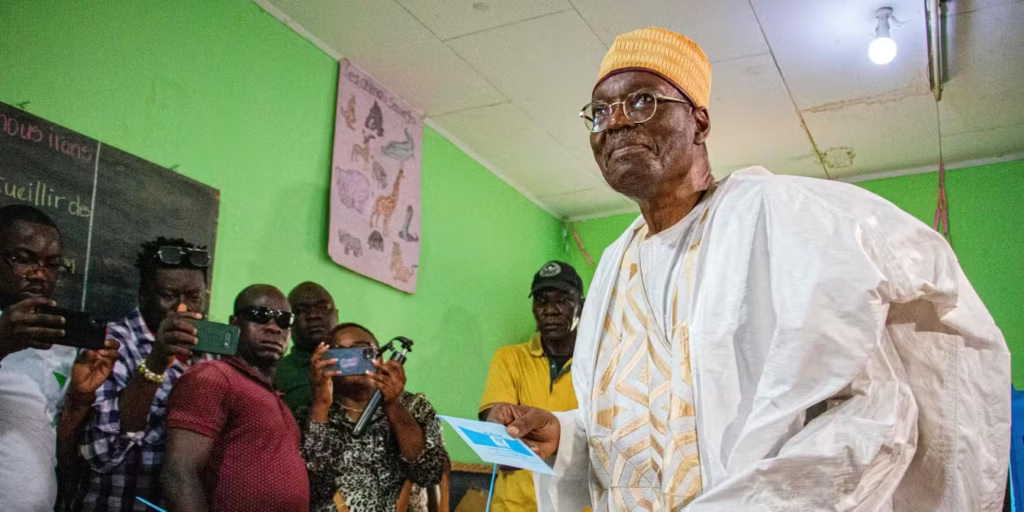
“Our victory is clear. It must be respected,” Tchiroma stated in a post on Facebook.
He called on the government to “accept the truth of the ballot box” and warned that failure to do so could “plunge the country into turmoil.” The opposition leader also pledged to publish detailed results by region, maintaining that “the people have chosen.”
While individual polling results may be made public, the final and legally binding outcome will only be announced by Cameroon’s Constitutional Council, which the government has described as a “red line that must not be crossed.”
The development echoes events from the 2018 presidential election, when another opposition figure, Maurice Kamto, also declared himself winner before the official results were announced. Kamto was later detained, and his supporters’ demonstrations were dispersed with tear gas and water cannons, resulting in numerous arrests.
President Biya, the world’s oldest serving head of state, is seeking an eighth term in office to extend his 43-year rule. However, Tchiroma’s campaign has sparked unexpected enthusiasm among the electorate, particularly among younger voters eager for change.
In recent days, images showing tallied results on sheets and blackboards have circulated widely across social media, further fuelling claims of victory from both Biya’s and Tchiroma’s camps.
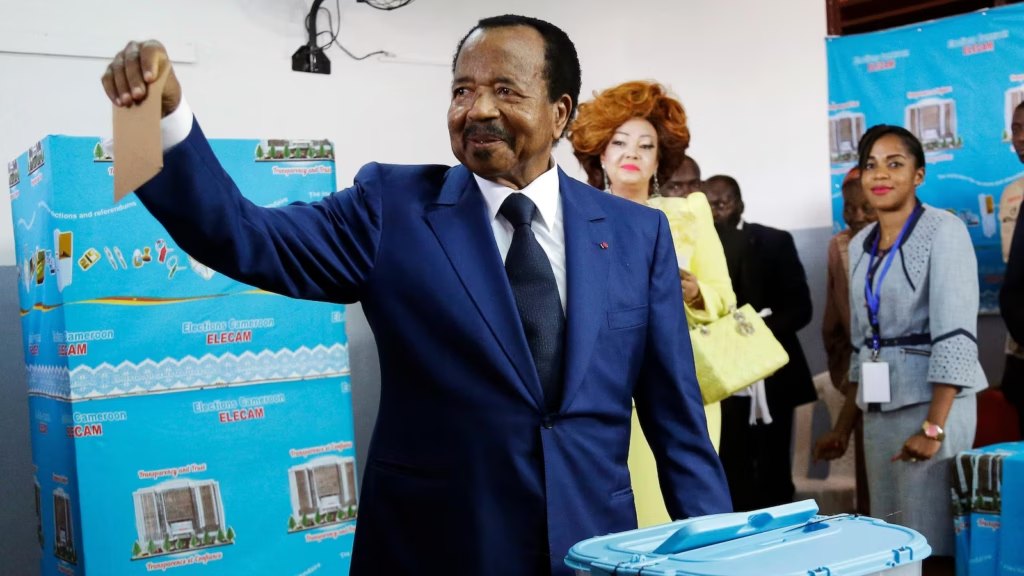
Biya faced a total of 11 contenders in the one-round election, including Tchiroma, who resigned from his government position in June after serving under Biya for two decades. His defection to the opposition reshaped the political landscape, positioning him as the leading challenger after Kamto was disqualified from the race by the Constitutional Council.
Having ruled since 1982, Biya has consistently emerged victorious in every election over the last two decades, often securing more than 70 percent of the vote. For most of the country’s eight million eligible voters, Biya is the only leader they have ever known.
Cameroonian political analyst Stephane Akoa told AFP before the vote that “we shouldn’t be naive. We know full well the ruling system has ample means at its disposal to get results in its favour.” Yet, he also observed that this year’s campaign was “much livelier” than usual, suggesting the potential for unexpected outcomes.
When Biya first ascended to power in 1982, Ronald Reagan was president of the United States, and the Cold War was still shaping global politics. Since then, Biya—Cameroon’s second leader since independence from France in 1960—has maintained a firm grip on power, handpicking top officials and suppressing dissent through strong-handed governance.
Despite decades of social inequality, economic hardship, and separatist unrest, Biya has managed to retain his hold on the presidency. The current election, however, has stirred renewed hope among Cameroonians seeking democratic change after years of political stagnation.
What You Should Know
Issa Tchiroma Bakary, once a long-serving minister under President Paul Biya, has emerged as Biya’s fiercest challenger after switching sides to the opposition.
His self-declared victory signals growing public frustration with Biya’s 43-year rule.
However, with final results pending from the Constitutional Council, Cameroon faces a tense period that could either reaffirm Biya’s long dominance or usher in a dramatic shift in leadership.