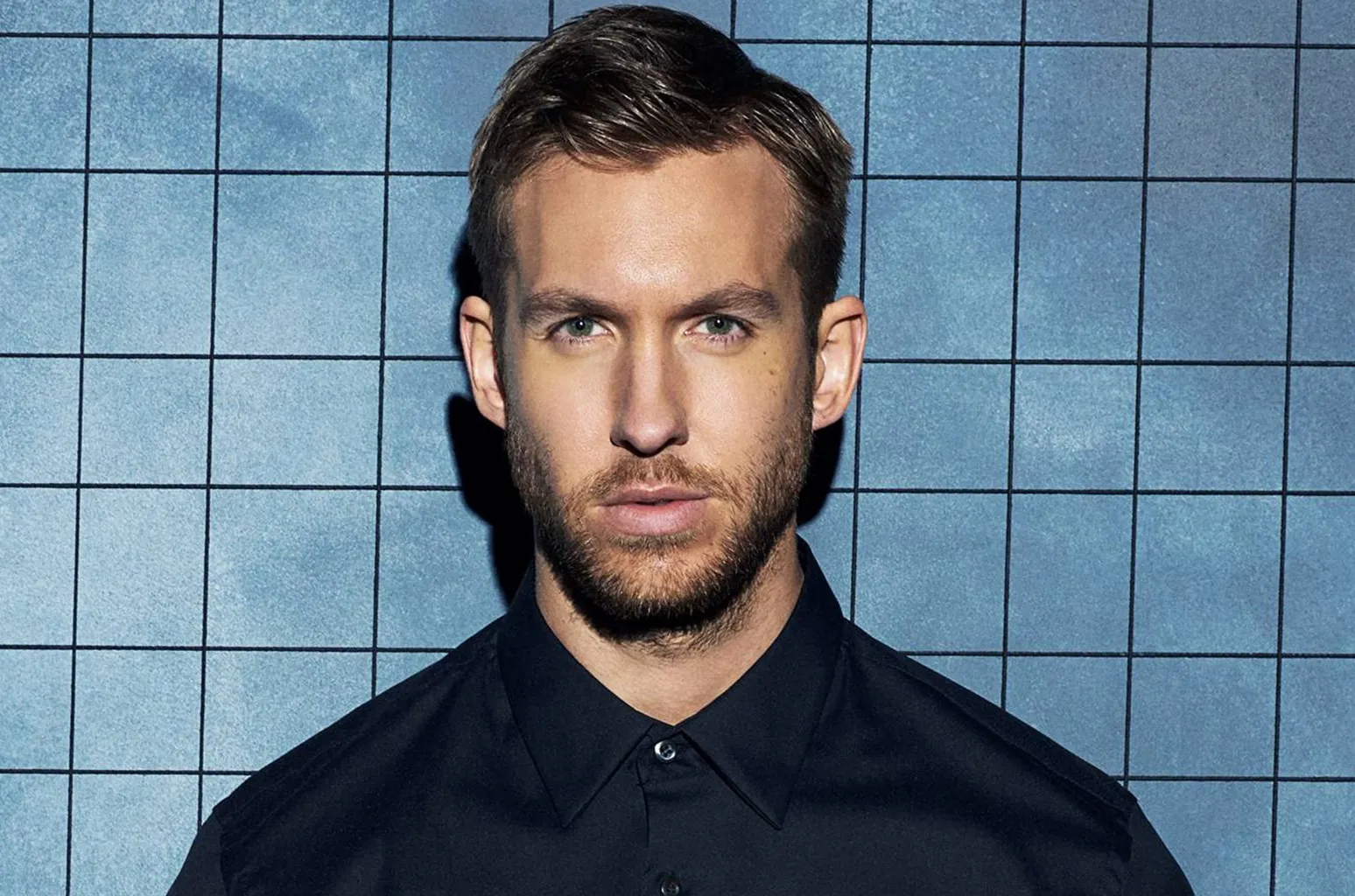
A high-stakes financial dispute between Scottish DJ Calvin Harris and his former business manager has escalated into a bitter war of words, with both sides presenting starkly different versions of a $22.5 million investment gone wrong.
Thomas St. John, whose eponymous accounting firm has managed finances for numerous entertainment industry figures, finds himself at the center of explosive fraud allegations from Harris, born Adam Wiles. The dispute centers on CMNTY Culture Campus, a Hollywood development project that has transformed from what was supposed to be a recording studio complex into a residential apartment development now valued at nearly $1 billion.
Harris, whose electronic dance music has dominated charts worldwide, claims St. John exploited his position as business manager to funnel millions into the real estate venture without proper disclosure. According to the DJ’s legal team, St. John “tricked” Harris into the investment, characterizing the project as a “complete boondoggle” that has yielded no returns while allegedly enriching St. John personally.
The accusations paint a picture of betrayal between longtime business partners, with Harris suggesting his former manager abused privileged access to client accounts to fund what amounts to a personal side venture.
St. John’s representatives vehemently reject these characterizations, describing the allegations as “malicious, bad-faith attacks” that are “entirely without merit.” In a statement released Tuesday, his team emphasized that Harris was one of nine legitimate investors who “knowingly signed investment agreements” to participate in CMNTY Culture.
“Not a single dollar has been misappropriated,” the statement declared, adding that “all investor entitlements remain intact” as the project continues moving through regulatory processes.
The evolution of CMNTY Culture itself tells a complex story. Originally conceived as a recording studio and office space complex targeting Hollywood’s creative community, the project has since pivoted to residential development on the same Hollywood tract. St. John’s representatives frame this shift as strategic rather than problematic, noting the project’s potential $1 billion valuation upon completion.
They acknowledge that the development timeline has stretched longer than initially projected, citing “unprecedented interest, macroeconomic conditions, and significant city red tape.” However, they maintain the project remains “firmly within its promised schedule” and approaches final regulatory approval.
The dispute unfolds against a backdrop of mounting financial pressures for St. John’s business empire. Thomas St. John Group, which operates offices across Los Angeles, London, Amsterdam, and Stockholm, saw its U.S. operations file for bankruptcy protection recently. Court documents reveal hundreds of thousands in unpaid rent and multiple pending legal actions.
The bankruptcy filing also illuminates the project’s broader impact on St. John’s client base. Philip Lawrence, the songwriter and producer known for his collaborations with Bruno Mars, emerges as another casualty. Court records show Lawrence invested $10 million from his catalog sale into CMNTY Culture before filing his own personal bankruptcy case.
This case highlights the delicate trust relationship between entertainment industry professionals and their financial managers. Business managers in Hollywood often wield significant control over their clients’ finances, making the Harris-St. John disputes a cautionary tale about oversight and transparency in these arrangements.
As arbitration proceedings continue behind closed doors, both sides appear entrenched in their positions. For Harris, the stakes involve not just financial recovery but vindication of his claims of betrayal. For St. John, the battle represents an existential fight to preserve both his reputation and his ambitious development project.
The outcome may ultimately hinge on the specific terms of investment agreements and whether St. John adequately disclosed his personal interest in CMNTY Culture Campus when soliciting client investments. As Hollywood watches this high-profile dispute unfold, it serves as a stark reminder of the risks inherent when business relationships blur the lines between fiduciary duty and personal opportunity.
WHAT YOU SHOULD KNOW
Calvin Harris is locked in a $22.5 million legal battle with his former business manager, Thomas St. John, who allegedly misused the DJ’s money to fund a Hollywood real estate project. While Harris claims fraud and demands his investment back from what he calls a “complete boondoggle,” St. John insists the investment was legitimate and transparent.
The dispute exposes the risks celebrities face when their financial managers have broad access to their accounts and highlights how quickly business relationships can turn toxic when personal interests and client money intersect.