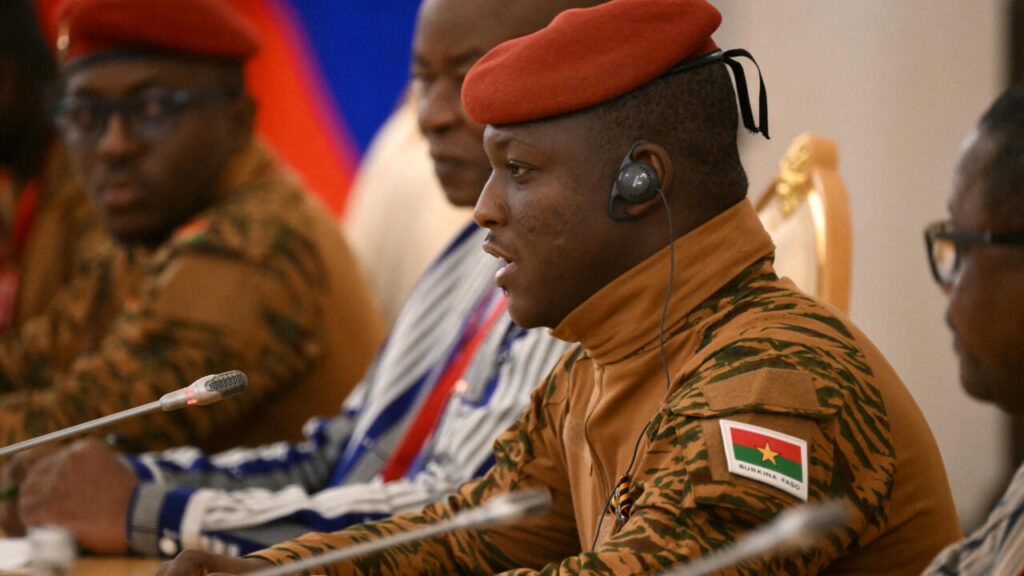
Burkina Faso’s transitional authorities, under the leadership of President Captain Ibrahim Traoré, have approved a far-reaching decree compelling large corporations operating within the country to establish their headquarters locally.
The decision was announced after a Council of Ministers meeting held Thursday in the capital, Ouagadougou.
The directive, adopted during the February 12 cabinet session, targets companies recording an average annual turnover of at least 5 billion CFA francs (approximately $8.8 million) over the past three financial years.
Authorities describe the policy as part of a broader strategy aimed at reinforcing economic sovereignty and consolidating corporate operations within Burkina Faso’s borders.
Revenue-Based Classification
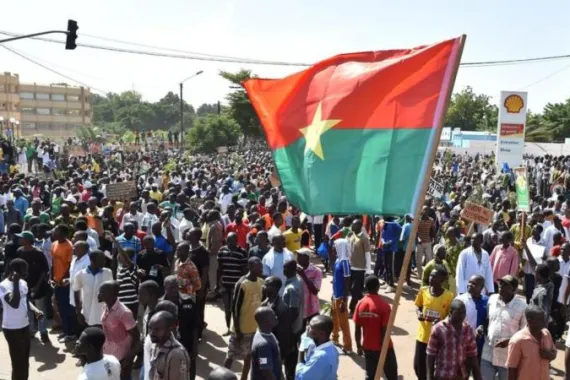
Under the newly approved framework, affected companies will be grouped into four categories based on their annual revenue. Corporations in the highest tier, those generating 100 billion CFA francs or more, must construct headquarters buildings with a minimum of seven floors (R+7).
eThese facilities are required to include both underground and ground-level parking spaces, while also meeting specified energy-efficiency standards.
Enterprises in lower turnover brackets are obligated to erect structures ranging between three and five floors. Each category carries distinct requirements regarding parking capacity and construction specifications.
The decree stipulates that qualifying companies must submit detailed architectural and development plans to a designated government commission within six months. After approval is granted, firms will have a maximum period of 36 months to finalize construction of their headquarters.
Government Incentives to Support Compliance
To mitigate the financial impact of the policy, authorities have outlined several supportive measures. The state plans to grant exemptions on certain building materials and facilitate access to serviced plots of land through the National Urban Land Development Company, SONATUR.
Officials argue that the initiative will stimulate urban infrastructure growth, generate employment opportunities, and strengthen tax collection by ensuring that major economic actors maintain a tangible and permanent presence in the country.
The legislative foundation for the policy was laid in late 2025, when Burkina Faso’s transitional legislative assembly approved the enabling law that empowers the executive to enforce the new requirement.
Economic Sovereignty Drive
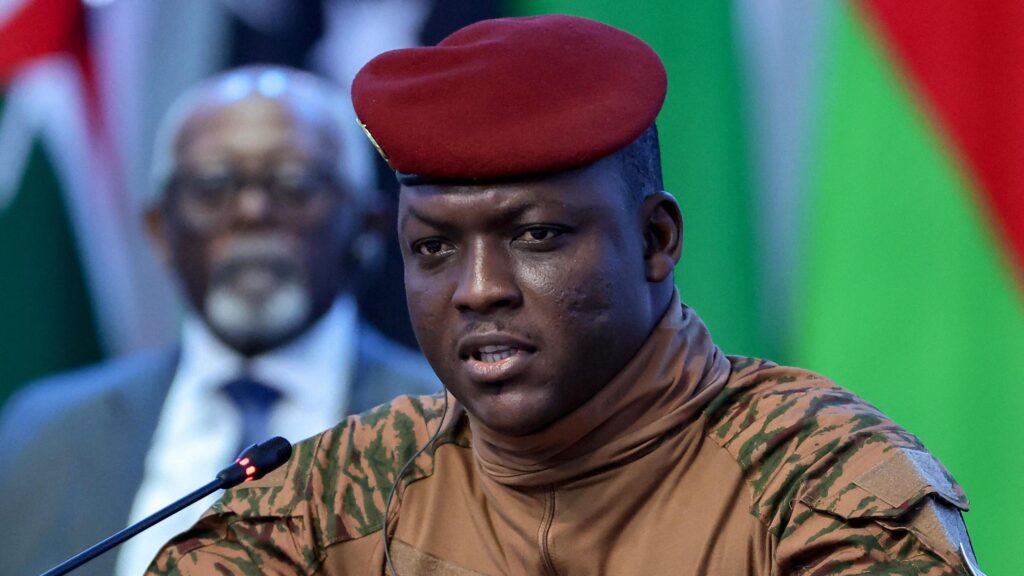
The decree is widely viewed as consistent with President Traoré’s economic vision, which observers say prioritizes greater national oversight of key sectors and domestic value retention.
Supporters contend that anchoring large corporations within Burkina Faso could foster long-term development and reduce capital flight.
However, some critics have voiced reservations about the potential financial strain on foreign investors and the broader implications for the country’s investment climate. Analysts suggest that the effectiveness of the policy will depend largely on its implementation and the balance struck between regulatory enforcement and investor confidence.
In the months ahead, stakeholders will be closely monitoring how authorities execute the new provisions and how companies respond to the ambitious construction timeline.
What you should know
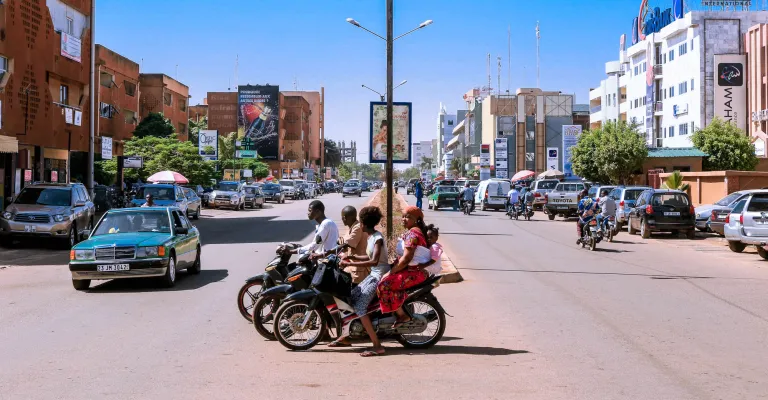
Burkina Faso has introduced a decree requiring major companies operating in the country to build their headquarters locally.
The policy applies to firms with annual revenues of at least 5 billion CFA francs and sets varying construction standards depending on turnover. Companies must submit development plans within six months and complete construction within 36 months.
The government will offer incentives such as exemptions on building materials and access to serviced land through SONATUR.
The move aligns with President Ibrahim Traoré’s economic sovereignty agenda, though concerns remain about its impact on foreign investment and the business environment.