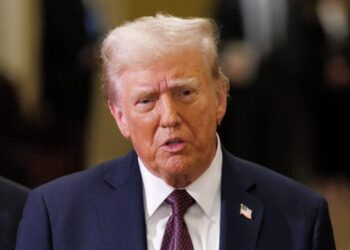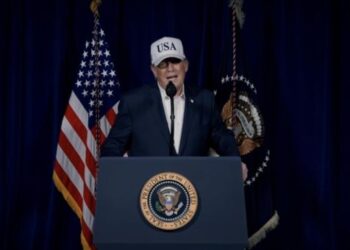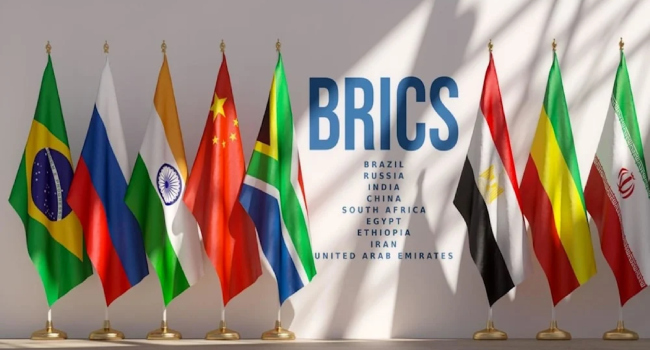
Leaders of the BRICS group of emerging economies are gathering in Rio de Janeiro for a high-stakes summit where they are expected to strongly criticize the protectionist trade policies of US President Donald Trump.
According to a draft communiqué obtained by AFP, the bloc is preparing to denounce the American administration’s increasing use of unilateral tariffs, calling them illegal and harmful to the global economy.
Representing nearly half of the global population and approximately 40 percent of the world’s economic activity, the BRICS nations, comprising Brazil, Russia, India, China, and South Africa, have aligned themselves against what they term “indiscriminate” tariff actions.

Although the draft statement avoids direct reference to either the United States or President Trump, it delivers a clear rebuke of his administration’s aggressive trade stance, which has targeted both allies and competitors since his inauguration in January.
“We voice serious concerns about the rise of unilateral tariff and non-tariff measures which distort trade and are inconsistent with WTO rules,” the statement reads. It warns that these actions could further shrink global trade and have significant negative implications for worldwide economic growth.
The current meeting is part of a broader effort by BRICS to champion multilateralism and resist what they see as destabilizing influences from Western powers. The group has long aimed to provide a counterbalance to traditional G7-dominated global leadership, advocating instead for reforms in international financial institutions and trade systems that would better reflect the voices of developing nations.
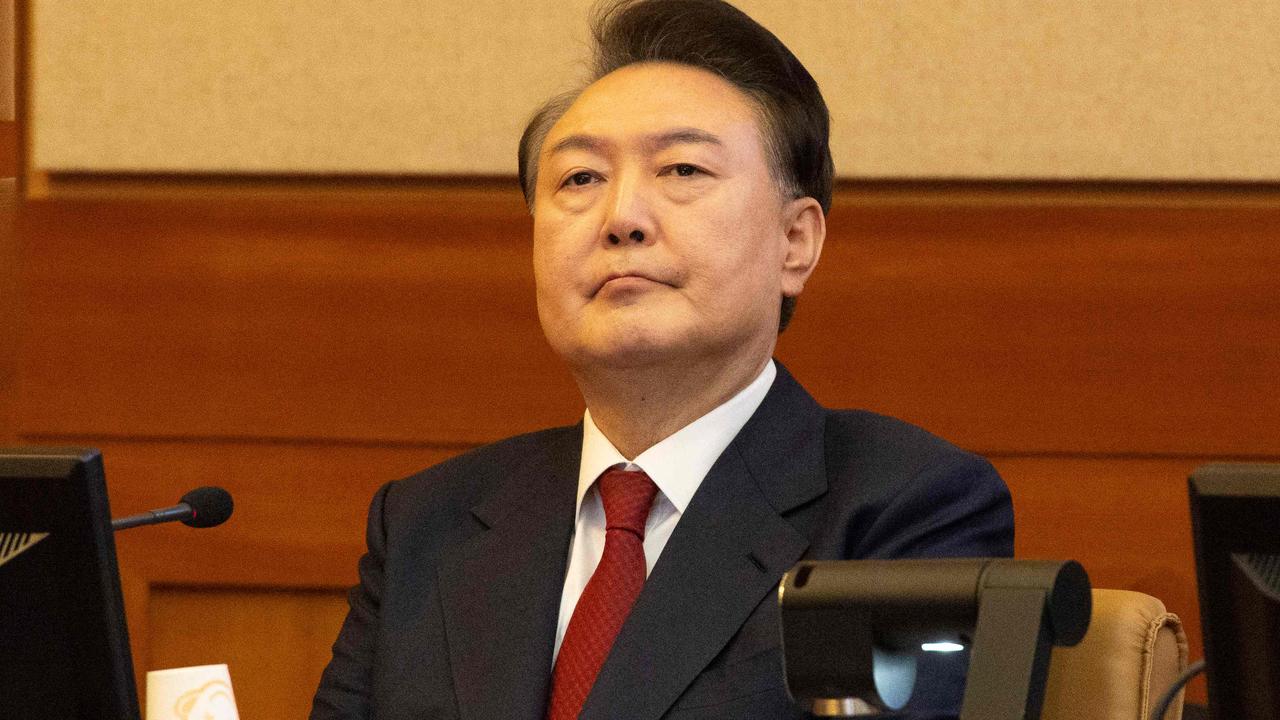
However, this year’s summit in Rio is notably diminished by the absence of two of its most prominent figures, Chinese President Xi Jinping and Russian President Vladimir Putin. Xi’s decision to skip the summit marks the first time in his 12-year presidency that he has missed a BRICS gathering.
Analysts, including Ryan Hass of the Brookings Institution and a former director for China policy at the US National Security Council, suggest that Xi’s absence could stem from a range of diplomatic calculations, including a desire not to be overshadowed by Indian Prime Minister Narendra Modi, who is receiving full state honors in Brazil.
“Xi does not want to appear upstaged by Modi,” Hass noted, especially as Modi is expected to be featured prominently during the summit, including at a formal state luncheon hosted by Brazilian President Luiz Inacio Lula da Silva.
Putin, who remains under an international arrest warrant issued by the International Criminal Court over alleged war crimes, will also not be attending in person. The Kremlin has confirmed he will participate via video link instead.
Despite the absences, host President Lula has continued to emphasize Brazil’s growing diplomatic ambitions. Speaking at a pre-summit business forum on Saturday, Lula welcomed global dignitaries, including China’s Premier Li Qiang, and reiterated the importance of multilateral cooperation.
“Faced with the resurgence of protectionism, it is up to emerging countries to defend the multilateral trade regime and reform the international financial architecture,” he said.
Brazil’s active hosting of key international gatherings, including the G20 summit, the BRICS summit, and the upcoming COP30 climate talks, is seen as part of Lula’s effort to project the country’s leadership on the global stage ahead of what is expected to be a fiercely contested presidential election next year.
Meanwhile, Iran, which was recently inducted into the BRICS group alongside countries such as Saudi Arabia, the UAE, Egypt, Ethiopia, and Indonesia, will not be represented at the presidential level.
President Masoud Pezeshkian has opted out, likely due to ongoing tensions with Israel, and has instead dispatched Foreign Minister Abbas Araghchi. Sources close to the summit indicate that Iran had lobbied for stronger language condemning recent Israeli and US military actions on Iranian soil.
However, diplomatic negotiators have reportedly held firm, keeping the messaging in line with prior BRICS statements that expressed “grave concern” without naming either Israel or the United States.
The summit will also explore issues beyond geopolitics, including discussions on artificial intelligence and global health, areas where BRICS nations hope to expand cooperation and assert influence in shaping emerging global standards.
As the world watches the outcome of this pivotal gathering, the BRICS bloc’s evolving internal dynamics, shaped by both new members and the shifting geopolitical climate, will continue to influence its role as a counterweight to traditional Western powers.
What you should know
BRICS leaders, though missing prominent figures like Xi Jinping and Vladimir Putin, are set to challenge US protectionist policies at their Rio summit.
The group, now expanded to include nations such as Iran and Saudi Arabia, is uniting around a message of defending multilateral trade and reforming global institutions while navigating internal diplomatic nuances and rising international tensions.