Brazil’s government went into emergency mode on Thursday as President Luiz Inácio Lula da Silva convened an urgent cabinet meeting to address President Donald Trump’s announcement of a 50% tariff on imports from Brazil, marking one of the most severe trade measures between the two nations in recent history.
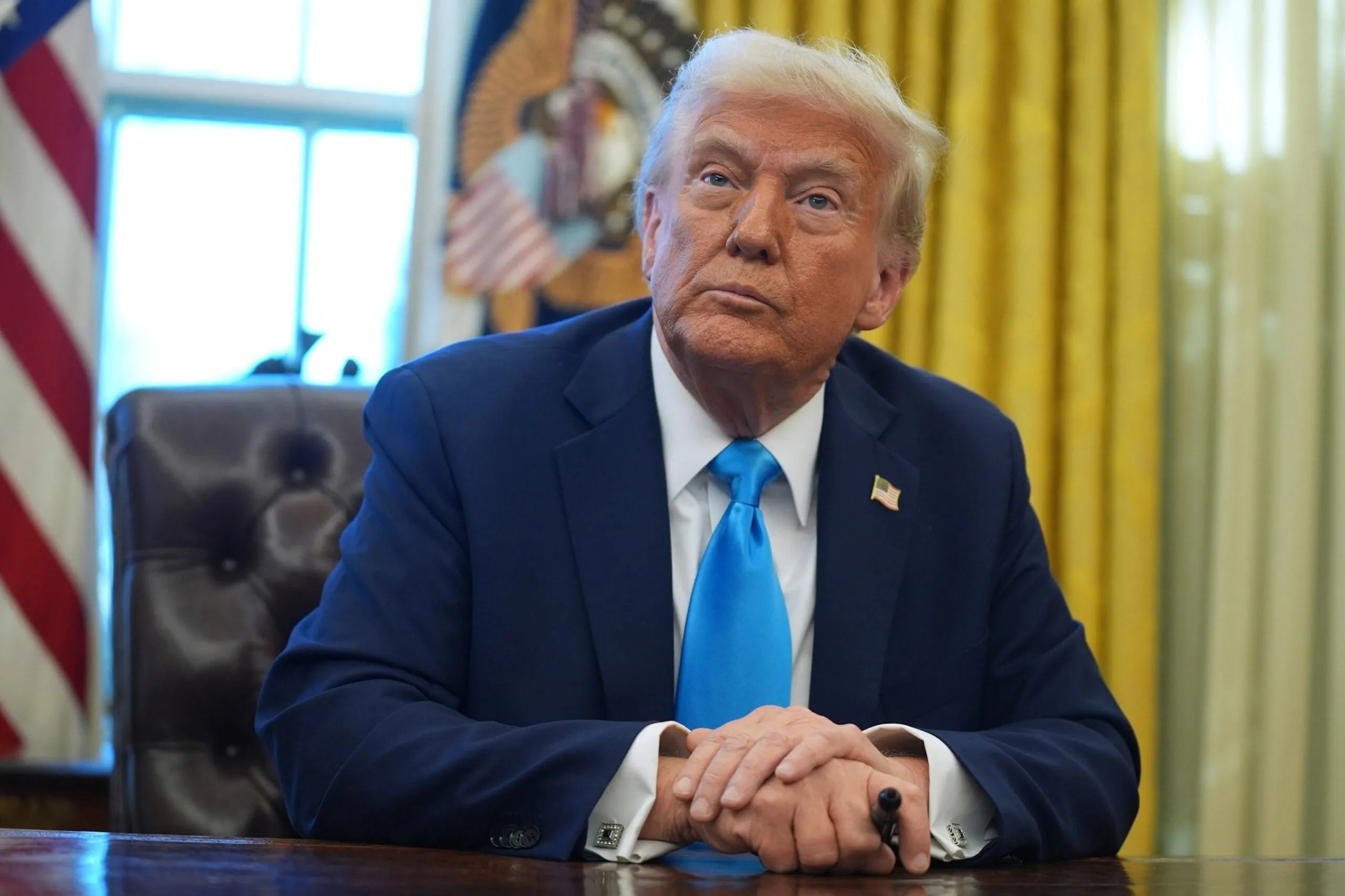
The tariffs, set to take effect August 1, have sent shockwaves through Brazil’s economy and political establishment. “The way Brazil has treated former President Bolsonaro … is an international disgrace,” Trump wrote in justifying the punitive trade measures that directly link economic policy to Brazil’s ongoing prosecution of former president Jair Bolsonaro.
Finance Minister Fernando Haddad struck a measured but firm tone in his response, emphasizing Brazil’s commitment to diplomatic solutions while calling the tariffs fundamentally flawed. “Brazilian diplomacy has always been available to the American government to seek a solution of greater partnership and greater understanding, as we have always done,” Haddad told reporters Thursday, describing the tariffs as “unsustainable.”
The crisis has exposed deep political divisions within Brazil itself. Haddad pointedly blamed domestic political forces for the international fallout, stating that “this blow against Brazil, against national sovereignty, was orchestrated by extremist forces within the country.” He suggested that Brazil’s far-right opposition had effectively undermined the nation’s interests, declaring that “even the far right will have to admit sooner or later that it shot itself in the foot.”
Behind closed doors, Brazilian officials are taking a cautious approach. Two government sources revealed that Lula is carefully calibrating Brazil’s response and is unlikely to announce concrete retaliatory measures immediately. Despite the president’s Wednesday pledge to respond to any tariffs with reciprocal measures, diplomatic efforts appear to be gaining momentum within the government as officials work to prevent a full-scale trade war.
The economic implications are already materializing. Brazil’s real weakened as much as 2% against the U.S. dollar in Thursday trading before recovering slightly, while the benchmark Bovespa stock index fell 0.7%. Major Brazilian companies felt the immediate impact, with aircraft manufacturer Embraer and meatpacker Minerva among the day’s biggest losers.
The timing of the tariffs couldn’t be more significant for American consumers. As the world’s agricultural powerhouse, Brazil exports massive quantities of coffee, orange juice, sugar, beef, and ethanol to the United States. Trade experts warn that the 50% tariffs could substantially impact food prices for American families, creating a potential domestic political challenge for the Trump administration.
The dispute underscores the complex relationship between the world’s two largest economies in the Western Hemisphere. The United States serves as Brazil’s second-largest trading partner after China, and one of the few countries with which the U.S. maintains a trade surplus. This economic interdependence makes the current crisis particularly precarious for both nations.
At the heart of the dispute lies the ongoing legal proceedings against Bolsonaro, who faces charges of plotting a coup to prevent Lula from taking office in 2023. Trump’s decision to weaponize trade policy in defense of his political ally represents an unprecedented intervention in Brazil’s judicial system and has raised questions about the separation of economic and political interests in international relations.
As Brazil’s government forms a working group to determine its response, the coming days will be crucial in determining whether diplomatic channels can defuse the crisis or if the two nations will spiral into a damaging trade war that could affect millions of consumers and workers on both sides of the hemisphere.
The stakes extend far beyond bilateral trade. Both countries are watching closely as this crisis tests the limits of economic diplomacy in an era where trade policy increasingly serves as a tool of political pressure, potentially setting precedents for future international disputes.
WHAT YOU SHOULD KNOW
This isn’t just about trade—it’s about Trump using economic weapons to defend his political ally. The tariffs will likely drive up food prices for American consumers while Brazil carefully considers diplomatic responses over retaliation.
The crisis exposes how domestic Brazilian politics have spilled into international relations, potentially setting a dangerous precedent for mixing trade policy with political interference in other countries’ legal systems.