In a sweeping economic intervention aimed at revitalizing communities devastated by years of insurgency, the Borno State Government on Thursday disbursed one billion naira to small and medium-scale enterprises across five local government areas in the Borno South Senatorial District.
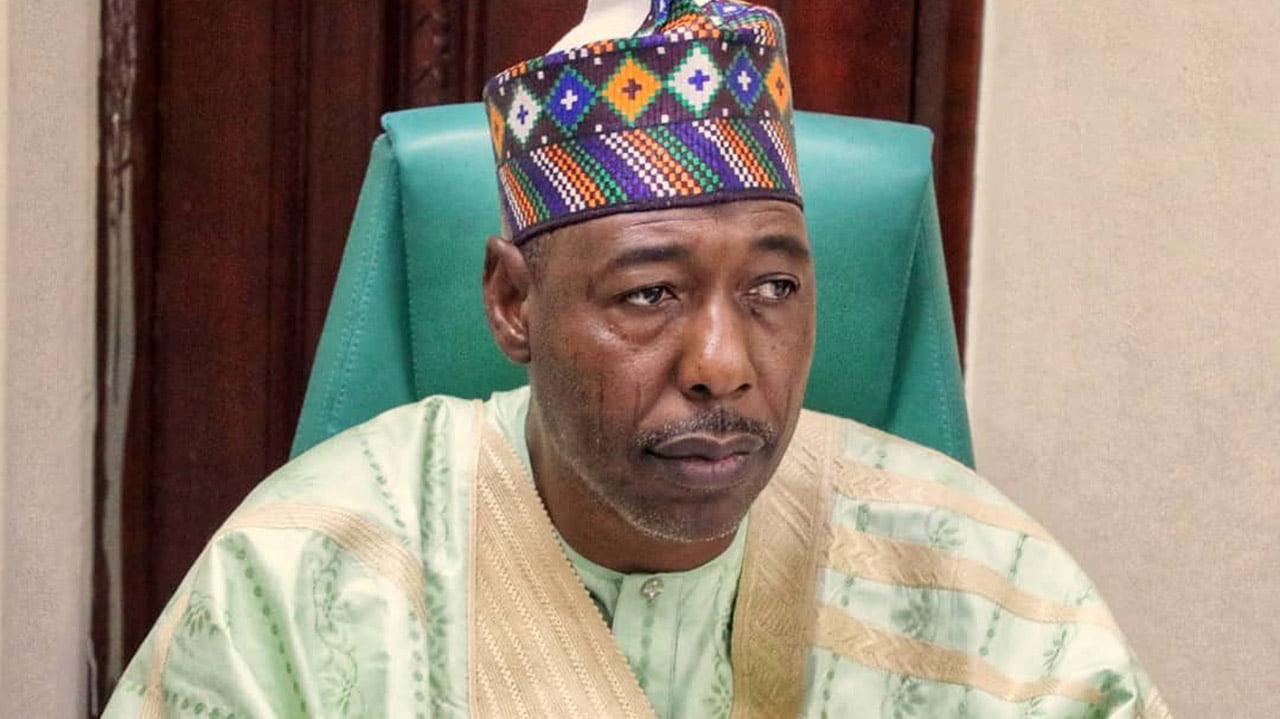
The massive capital injection, unveiled by Governor Babagana Zulum during a ceremony in Biu Local Government Area, targets entrepreneurs in Biu, Hawul, Shani, Bayo, and Kwaya-Kusar council areas—communities that have borne the brunt of Boko Haram’s insurgency and are now struggling to rebuild their economic foundations.
According to the News Agency of Nigeria, the disbursement represents a strategic pivot in the state’s post-conflict recovery efforts, focusing on economic empowerment as a pathway to lasting peace and stability.
“The direct injection of capital into the SME sector is essential for driving grassroots development and fostering self-reliance in the post-insurgency recovery phase,” Governor Zulum stated, emphasizing that sustainable peace cannot be achieved through security operations alone.
The governor outlined a clear economic rationale for the intervention: empowering local entrepreneurs would create much-needed employment opportunities, stimulate dormant rural economies, and strengthen the social fabric of communities where years of violence had eroded traditional livelihoods and economic structures.
The N1 billion SME disbursement is just one component of a broader development package announced during the governor’s working visit to Biu. In what signals an integrated approach to post-conflict reconstruction, Zulum unveiled several complementary initiatives designed to address the interconnected challenges facing rural Borno.
Recognizing that idle youth remain vulnerable to recruitment by extremist groups, the governor announced the immediate employment of 200 young people from Biu—a move explicitly aimed at tackling youth restiveness through economic inclusion.
The governor also inaugurated a remodeled “Second Chance School,” a facility specifically designed to provide vulnerable girls and women with skills training, digital literacy, and basic education. The initiative addresses a critical gap in a region where Boko Haram’s campaign systematically targeted educational institutions and where female education remains a sensitive flashpoint.
During a visit to Biu Specialist Hospital, Governor Zulum formalized the employment of several volunteer health workers who had been providing services without official status—a decision that both improves healthcare delivery and demonstrates the government’s commitment to strengthening essential services in rural areas.
Infrastructure development also featured prominently in the governor’s agenda. Zulum inspected an ongoing 100-unit teachers’ housing estate, a project intended to address the chronic shortage of qualified educators in public schools by making rural postings more attractive to teaching professionals.
Additionally, the governor directed the commencement of rehabilitation work on the Borno State Hotel Annexe in Biu, part of broader efforts to restore public facilities and improve the physical infrastructure that underpins economic activity.
The timing and scope of these interventions underscore the delicate balancing act facing Borno State’s leadership. While security has improved significantly in recent years, the humanitarian and economic devastation left by more than a decade of insurgency remains profound.
According to development experts, small and medium enterprises form the backbone of rural economies in northeastern Nigeria, providing employment and essential goods and services to communities. However, the insurgency disrupted supply chains, destroyed productive assets, displaced populations, and created a climate of uncertainty that made business operations virtually impossible in many areas.
The state government’s decision to target SMEs with direct capital support reflects an understanding that rebuilding these economic foundations is essential not just for prosperity but also for preventing a return to conflict. Young people with economic opportunities are less vulnerable to extremist recruitment, while functioning local economies reduce the grievances and desperation that insurgent groups exploit.
The focus on Borno South is particularly significant. While the state capital, Maiduguri, and areas along major highways have seen more rapid recovery, rural communities in the southern senatorial district have received less attention and resources, despite facing many of the same challenges.
While Thursday’s announcements represent a substantial commitment of resources and political attention, significant challenges remain. Ensuring that disbursed funds reach intended beneficiaries and are used productively requires robust monitoring mechanisms. The success of the SME intervention will depend not just on capital availability but on factors including security stability, access to markets, availability of inputs, and the broader business environment.
Similarly, employing 200 youth addresses only a fraction of the unemployment challenge in a region where an entire generation has seen their education and economic prospects disrupted by conflict.
Nevertheless, Governor Zulum’s integrated approach—combining economic empowerment with education, healthcare, housing, and infrastructure—signals a recognition that post-conflict recovery requires addressing multiple dimensions of community life simultaneously.
As Borno continues its difficult journey from conflict to stability, initiatives like Thursday’s disbursement will serve as critical tests of whether targeted development interventions can help communities rebuild not just their infrastructure, but also their economic futures and social cohesion.
WHAT YOU SHOULD KNOW
Borno State Governor Babagana Zulum has launched a comprehensive N1 billion economic recovery initiative targeting rural entrepreneurs in five local government areas hardest hit by Boko Haram insurgency.
The disbursement to small and medium enterprises, coupled with the immediate employment of 200 youth, education programs for vulnerable women, healthcare worker recruitment, and infrastructure rehabilitation, represents a strategic shift in post-conflict recovery—recognizing that lasting peace requires economic empowerment, not just military solutions.
By injecting capital directly into grassroots businesses and creating employment opportunities, the government aims to reduce youth restiveness, rebuild shattered rural economies, and prevent communities from sliding back into the desperation and vulnerability that extremist groups exploit. The initiative’s success will depend on whether these resources actually reach beneficiaries and translate into sustainable livelihoods in a region still recovering from over a decade of devastating conflict.