A bill proposing an amendment to the 1999 Constitution aimed at tackling multiple taxation and related issues has successfully scaled its second reading in the National Assembly.
The development was announced on Friday by Taiwo Oyedele, Chairman of the Presidential Committee on Fiscal Policy and Tax Reforms, through his official X account. Oyedele explained that the proposed constitutional amendment seeks to clearly define and streamline the taxation powers of the federal, state, and local governments to prevent overlapping jurisdictions and conflicts.
He further stated that the amendment would establish precise limits on the types of taxes and levies that each tier of government can impose, ensuring clarity and legality in tax collection. The bill also seeks to prohibit the unlawful outsourcing of revenue collection activities and introduce a ceiling on the number of taxes that can be levied on income, consumption, and property.
If passed, the law will effectively eliminate nuisance taxes, curb the harassment of citizens in the name of tax enforcement, and promote fiscal responsibility, transparency, and accountability in Nigeria’s tax administration.
Oyedele expressed optimism about the proposed changes, saying, “Once successfully altered, this amendment will ensure that taxes are sustainably harmonised and the burden and related consequences removed once and for all. We are grateful to the National Assembly for this patriotic effort to address a critical problem in our tax system.”
In a related development, the Nigerian government announced that four major tax reform bills have been enacted into law. The newly signed laws—Nigeria Tax Act, 2025; Nigeria Tax Administration Act, 2025; Nigeria Revenue Service (Establishment) Act, 2025; and Joint Revenue Board (Establishment) Act, 2025—represent a major milestone in overhauling the nation’s tax framework.

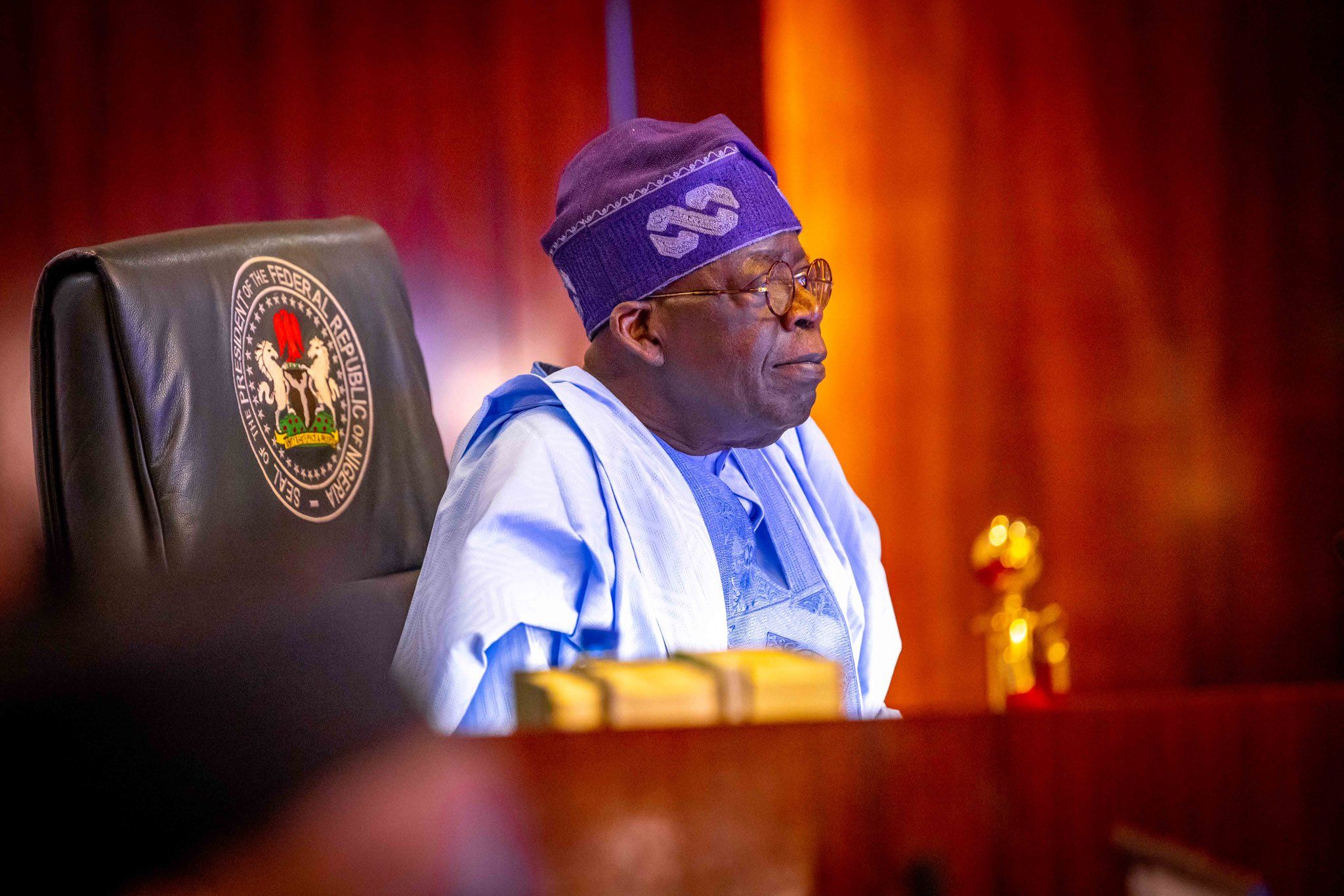
President Bola Tinubu signed the four bills into law on June 26, 2025. Two of the legislations, the Revenue Service Act and the Joint Revenue Board Act, took immediate effect upon signing, while the Nigeria Tax Act and the Tax Administration Act are scheduled to become operational on January 1, 2026.
These reforms mark one of the most comprehensive restructurings of Nigeria’s tax system in decades. Among their key provisions are exemptions for small businesses with annual turnovers below ₦100 million and assets under ₦250 million from corporate tax obligations. Additionally, new income tax thresholds will take effect in 2026, exempting individuals earning below ₦800,000 annually from paying income tax.
The reforms also introduce tighter compliance measures for businesses, including mandatory e-invoicing for VAT-registered entities, stricter record-keeping standards, and more detailed transaction reporting. Furthermore, the laws are designed to harmonise tax administration across federal, state, and local levels, reducing duplication and enhancing the ease of doing business in the country.
What you should know
The constitutional amendment bill and the recently enacted tax reform laws reflect Nigeria’s most ambitious effort yet to simplify and modernise its tax system.
Spearheaded by Taiwo Oyedele and supported by President Bola Tinubu’s administration, these measures aim to eliminate multiple taxation, improve fiscal discipline, and create a more business-friendly economic environment.