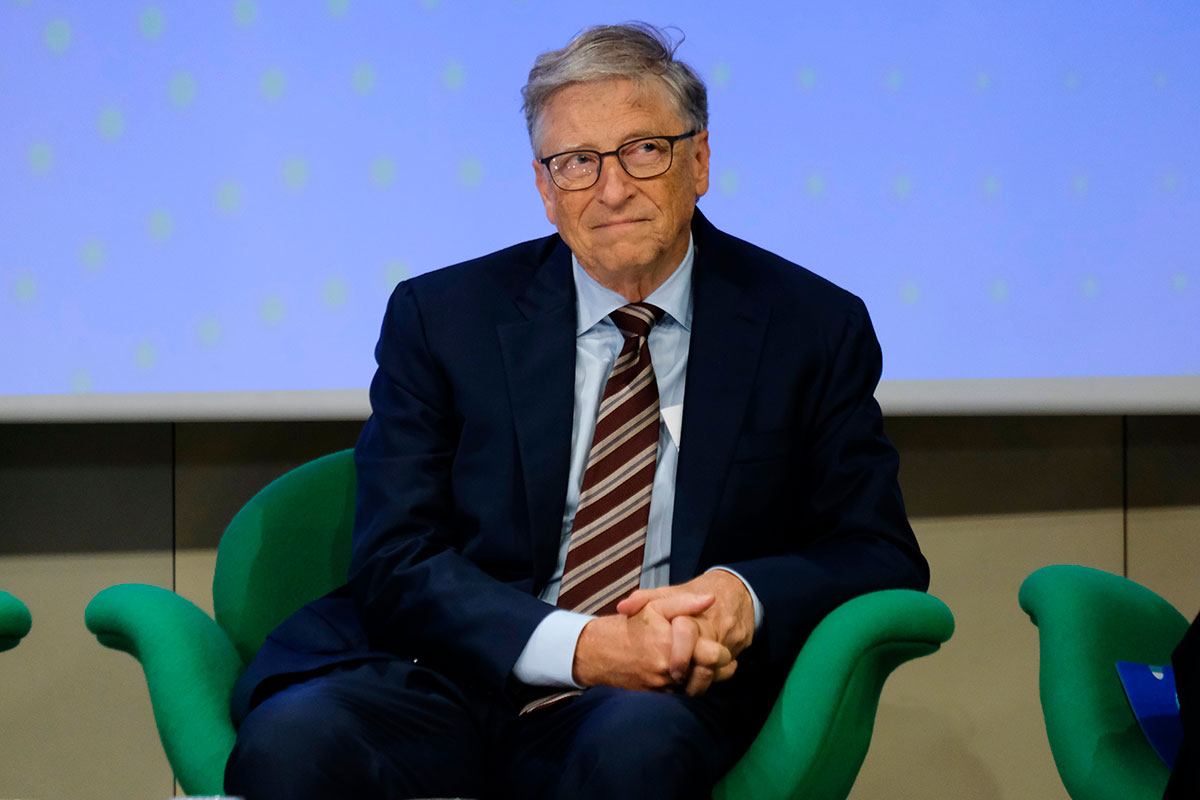
Billionaire philanthropist Bill Gates has asserted that while climate change presents grave challenges, it will not bring about the extinction of humanity.
In a lengthy memo released on Monday ahead of the COP30 Climate Summit in Brazil, Gates urged world leaders to adopt a more realistic and human-centered approach to addressing global warming, one that prioritizes adaptation, development, and overall human welfare.
The Microsoft co-founder, who also funds green innovation through his Breakthrough Energy organization, commended the upcoming summit’s focus on climate adaptation and human progress. He acknowledged that the effects of climate change will be severe but maintained that “people will be able to live and thrive in most places on Earth for the foreseeable future.”
Gates admitted that some environmental advocates may view his position as contradictory given his personal carbon footprint, but he insisted that his emissions are fully offset through “legitimate” carbon credits. He outlined what he described as “Three tough truths about climate”: that climate change will not destroy civilization, that temperature should not be the sole metric for measuring success, and that improved health and prosperity remain humanity’s strongest shields against a warming planet.
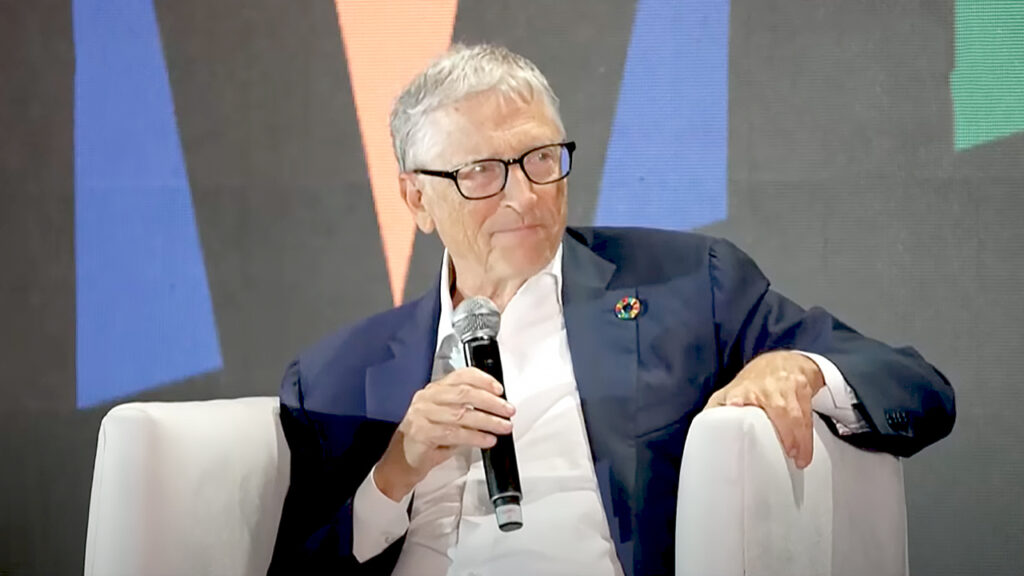
Although the world is still far from achieving the Paris Agreement’s goal of limiting global temperature rise to 1.5°C, Gates argued that progress in cutting emissions should not be dismissed. He suggested that the focus should be less on numerical targets and more on advancing solutions that protect people from the harshest impacts of global warming. For many of the world’s poor, he explained, poverty and disease remain far more immediate threats than temperature changes. “Our chief goal should be to prevent suffering, particularly for those in the toughest conditions who live in the world’s poorest countries,” he said. He added that global efforts should aim not merely to reduce extreme weather events but to ensure that “fewer people live in poverty and poor health so that extreme weather isn’t such a threat to them.”
Looking ahead, Gates identified one of the most crucial strategies as reducing the “green premium,” which refers to the cost difference between clean and conventional production methods, especially in vital industries such as cement, steel, and aviation fuel.
He likened his new memo to one he wrote three decades ago at Microsoft, where he encouraged the company to make the internet a central focus. Similarly, he believes the global climate movement now needs a “strategic pivot” at COP30 and beyond, saying, “Prioritize the things that have the greatest impact on human welfare.”
What You Should Know
Bill Gates, co-founder of Microsoft and founder of Breakthrough Energy, continues to play a major role in global climate discussions.
While acknowledging the dangers of climate change, he emphasizes that humanity’s survival depends more on building resilience, reducing poverty, and improving health than on obsessing over temperature metrics.
His message ahead of COP30 calls for pragmatic climate action centered on human progress and sustainable innovation.