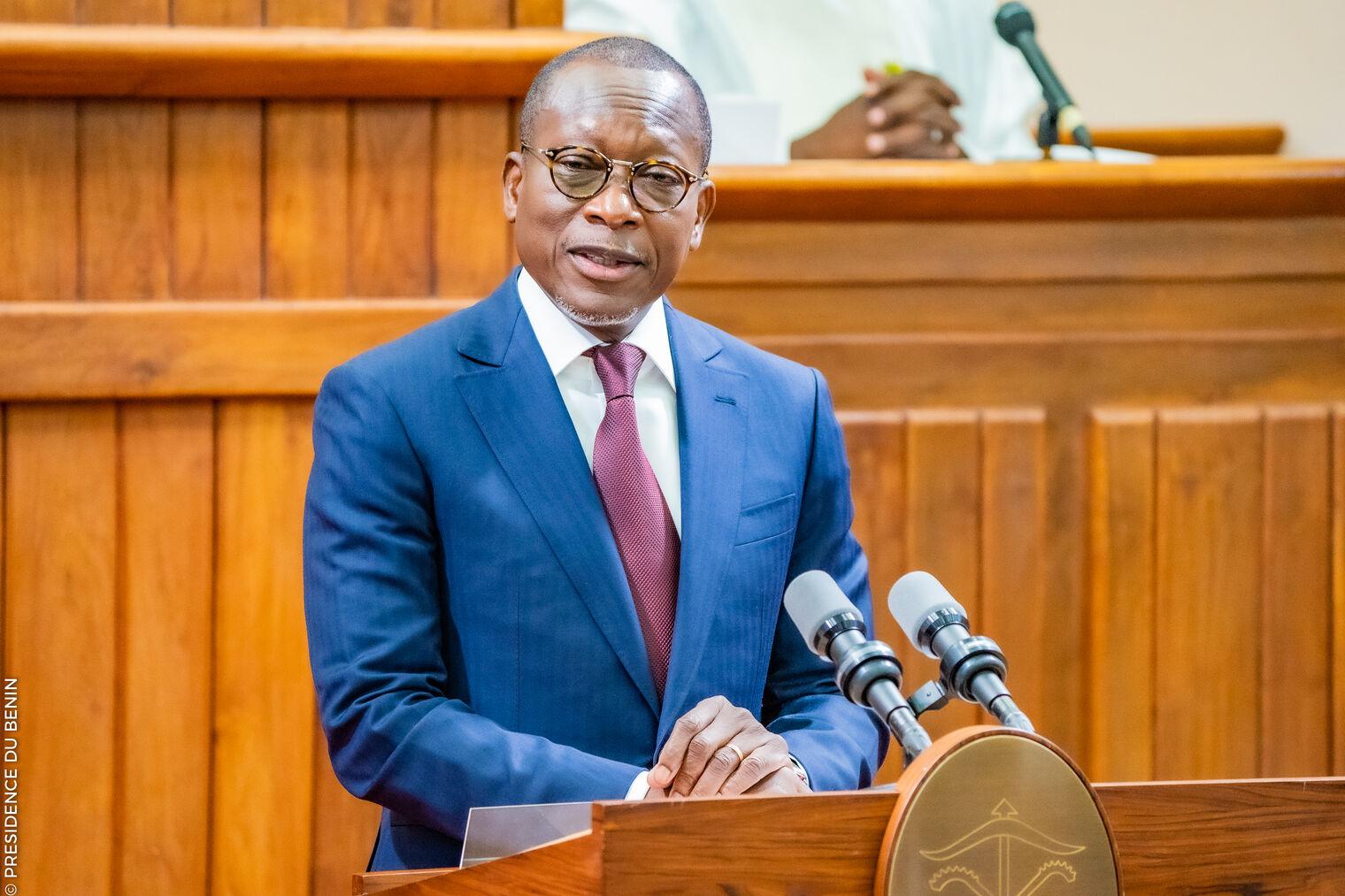
Benin’s leader has declared that the “situation is completely under control” after security forces, backed by Nigerian military support, halted an attempted takeover led by a faction of soldiers.
Earlier on Sunday, a group of troops appeared on national television claiming they had removed President Patrice Talon from power. Their broadcast triggered a rapid and coordinated pushback from loyalist forces, supported by Nigerian air power and military deployments.
Security officials in Benin later confirmed that about a dozen soldiers, including the individuals shown in the televised announcement, had been detained.
The incident adds to a growing list of coups and coup attempts across West Africa in recent years, involving countries such as Niger, Burkina Faso, Mali, Guinea, and, most recently, Guinea-Bissau.
In a message aired Sunday night on Benin TV, Talon reassured citizens, saying the government had regained full control and urging people to resume their daily activities without fear. His two-term presidency, which ends in April 2026, has seen strong economic expansion but has also coincided with rising extremist attacks in the northern part of the country.
Regional Support
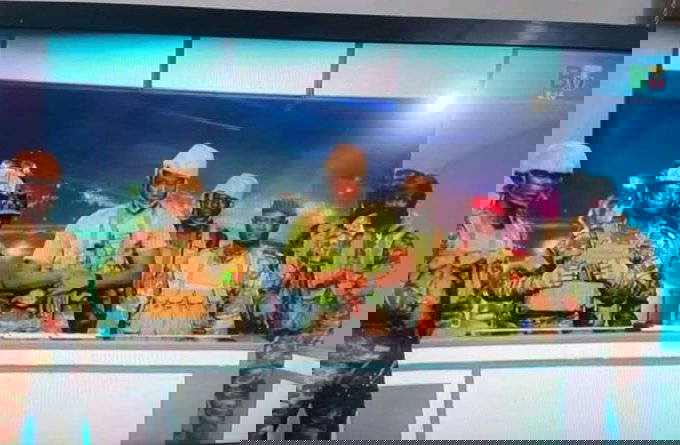
Earlier in the day, soldiers identifying themselves as the “Military Committee for Refoundation” (CMR) announced on state television that they had convened and decided that “Mr Patrice Talon is removed from office as president of the republic”.
Moments after the declaration, however, a source close to the president informed AFP that Talon remained safe. The source described the perpetrators as “a small group of people who only control the television”.
The source added that loyal forces were reclaiming strategic locations, noting that “The regular army is regaining control. The city (Cotonou) and the country are completely secure.”
“It’s just a matter of time before everything returns to normal. The clean-up is progressing well,” the source continued.
Interior Minister Alassane Seidou later announced on state television that the “Beninese Armed Forces and their leadership maintained control of the situation and foiled the attempt”.
By Sunday evening, Nigerian fighter jets had launched strikes on undisclosed locations while Beninese forces conducted countercoup operations, according to a Nigerian presidency source.
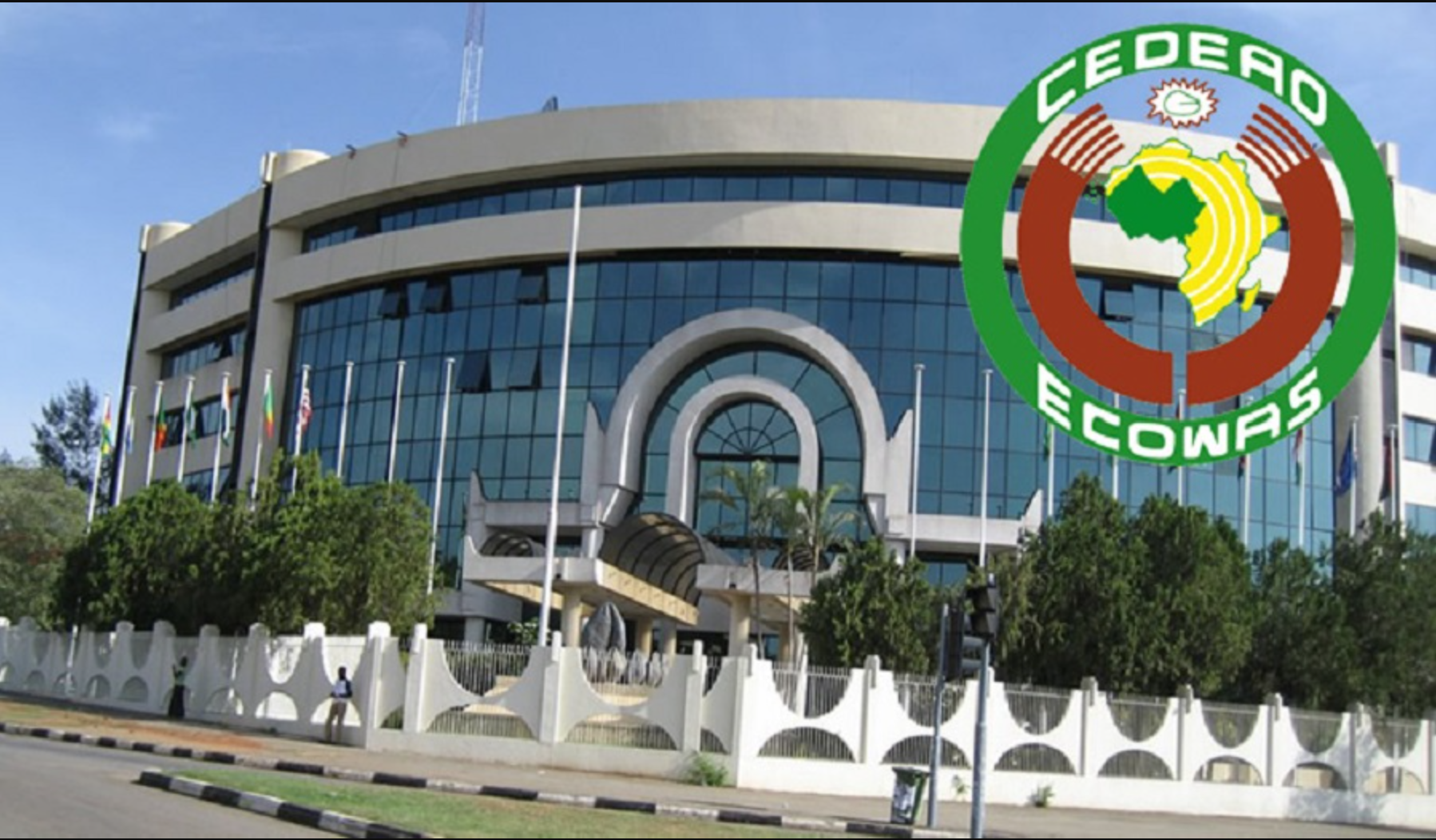
The West African bloc ECOWAS stated that personnel from Ghana, Ivory Coast, Nigeria, and Sierra Leone were being deployed to support Benin in “preserve constitutional order”. Nigeria’s presidency also confirmed that Nigerian troops and air support had been deployed at Benin’s request.
Situation ‘Under Control’
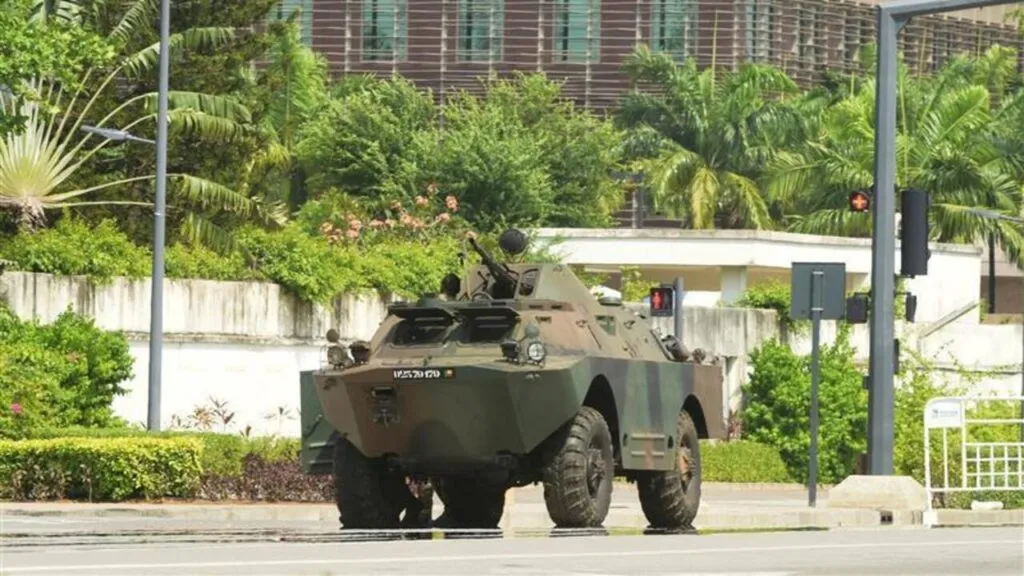
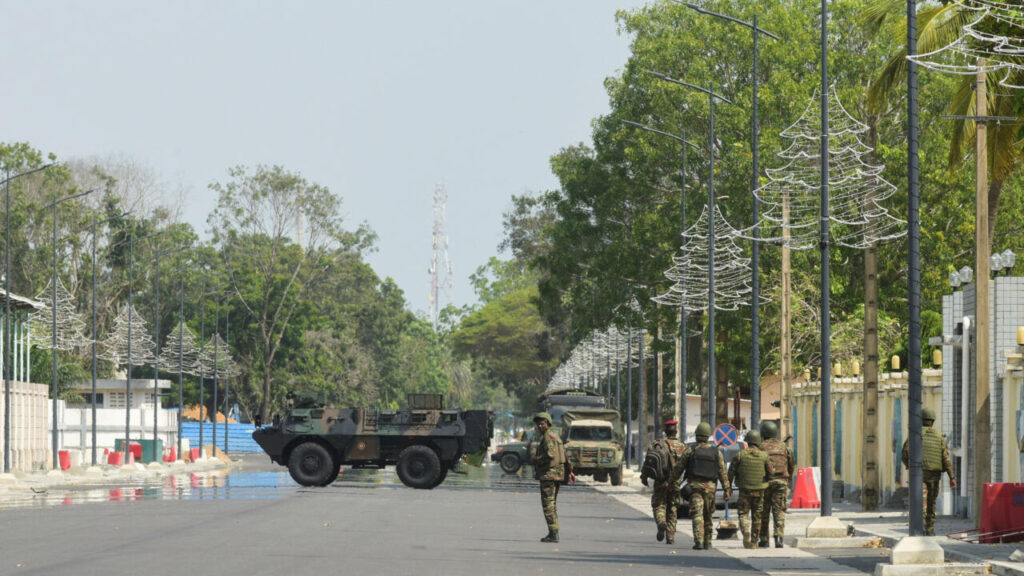
AFP reporters heard bursts of gunfire in parts of Cotonou on Sunday morning, with soldiers restricting access to the presidential offices and state broadcaster headquarters. Despite the tense atmosphere, many residents carried on with their routine activities.
A street trader, Adam Aminou, told AFP, “The coup was foiled, thank God. But we have to think about what to do so this kind of thing doesn’t happen again.”
A retired teacher, Jennifer Adokpeto, recalled the tense hours following the military broadcast. “We had a few scary moments,” she said. “We really thought, seeing the statement being repeated on a loop on TV, that it was really a coup d’etat and that our country was going to go the way of some of our neighbours.”
A military source also confirmed that loyalist forces had secured the situation and that the plotters never gained control of the presidential residence or offices. However, AFP could not independently verify this due to restricted access around major government areas, luxury hotels, and sections of Cotonou hosting international organisations.
Condemnation
Eight rebel soldiers who appeared in the broadcast wore varied military berets and carried assault rifles. They named Lieutenant Colonel Pascal Tigri as “president” of their “refoundation” committee and justified their actions by citing “continuous deterioration of the security situation in northern Benin”.
They also complained about the “neglect of soldiers killed in action and their families left to fend for themselves” and “unjust promotions at the expense of the most deserving”.
The African Union issued a statement saying it “unequivocally condemns” the attempted power grab. UN Secretary-General Antonio Guterres expressed that he was “deeply concerned by the attempt to unconstitutionally seize power in Benin”, warning that such actions risk worsening instability across the region.
France, Benin’s former colonial ruler, and the Organisation Internationale de la Francophonie also denounced the coup attempt.
Benin’s political history has been marked by repeated coups and coup attempts since it gained independence from France in 1960.
President Talon, a 67-year-old entrepreneur often referred to as the “cotton king of Cotonou”, assumed office in 2016. He is credited with boosting economic growth but is frequently criticised by opponents who accuse him of authoritarian governance. His second and final term, as stipulated by the constitution, ends in 2026.
What You Should Know
Benin narrowly escaped a coup attempt after a small group of soldiers tried to remove President Patrice Talon from power through a televised announcement.
Loyalist forces, supported by Nigerian military jets and troops, quickly regained control and arrested the coup plotters. The incident highlights growing instability in West Africa, where coups have become increasingly common.
President Talon reassured citizens that the situation has been fully contained. Regional bodies, including ECOWAS and the African Union, condemned the attempted takeover. Talon, known for economic reforms and criticised for authoritarian tendencies, is scheduled to leave office in 2026.