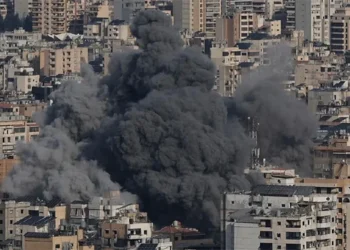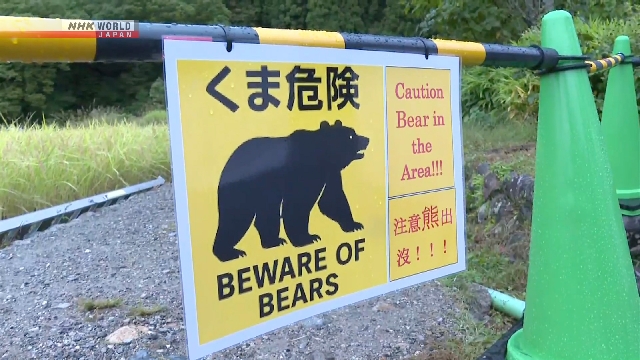
A Spanish tourist was attacked by a bear on Sunday in Shirakawa-go, a UNESCO World Heritage village in Japan’s Gifu Prefecture, local authorities confirmed.
The incident occurred just days after another bear attack in northern Japan left one woman dead and another missing.
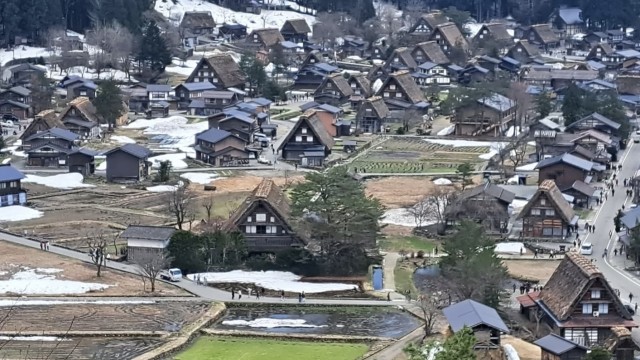
According to village official Kazunari Takashima, the 44-year-old tourist was walking to a bus stop when a juvenile black bear, about one metre (3.3 feet) long, pounced on him from behind. “He was injured with a scratch on his right arm, then he walked to a tourist information office nearby and requested an ambulance,” Takashima said. The man was treated in hospital and discharged the same day.
In response, officials closed nearby hiking trails and increased patrols in the area. Takashima warned visitors against ignoring safety restrictions, noting, “There are some tourists who take photos in off-limit areas. It’s dangerous. We urge people not to do that.”
Japan has seen a steady rise in bear sightings and attacks in recent years, a trend experts attribute to a shrinking rural population and climate change affecting the animals’ food sources.
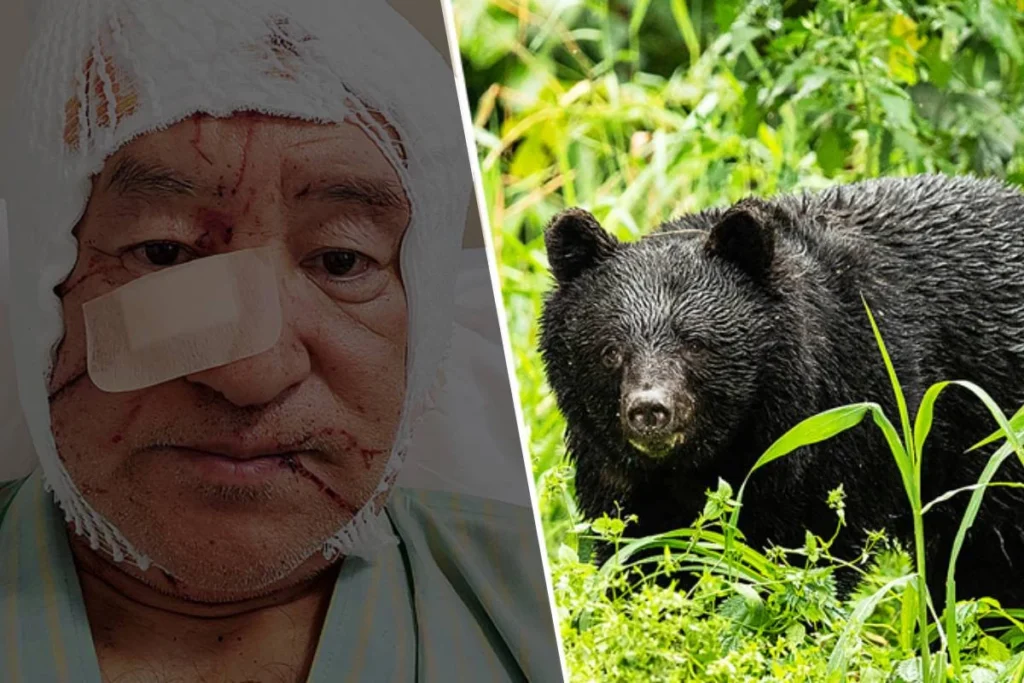
Last week’s fatal attack in northern Japan and the latest incident in Shirakawa-go have heightened public concern. In response to the growing threat, Japan recently eased gun control rules to allow hunters to use rifles more easily in populated areas.
Between April and August this year, NHK reported 69 bear-related injuries across Japan, including five fatalities. Government data also showed 85 attacks resulting in three deaths in the year ending March 2025, compared with 219 attacks and six deaths the previous year.
What you should know
Bear attacks in Japan have surged due to environmental shifts and rural depopulation, bringing the animals closer to towns and tourist areas.
Shirakawa-go’s incident underscores growing safety concerns as authorities work to balance conservation with public protection.