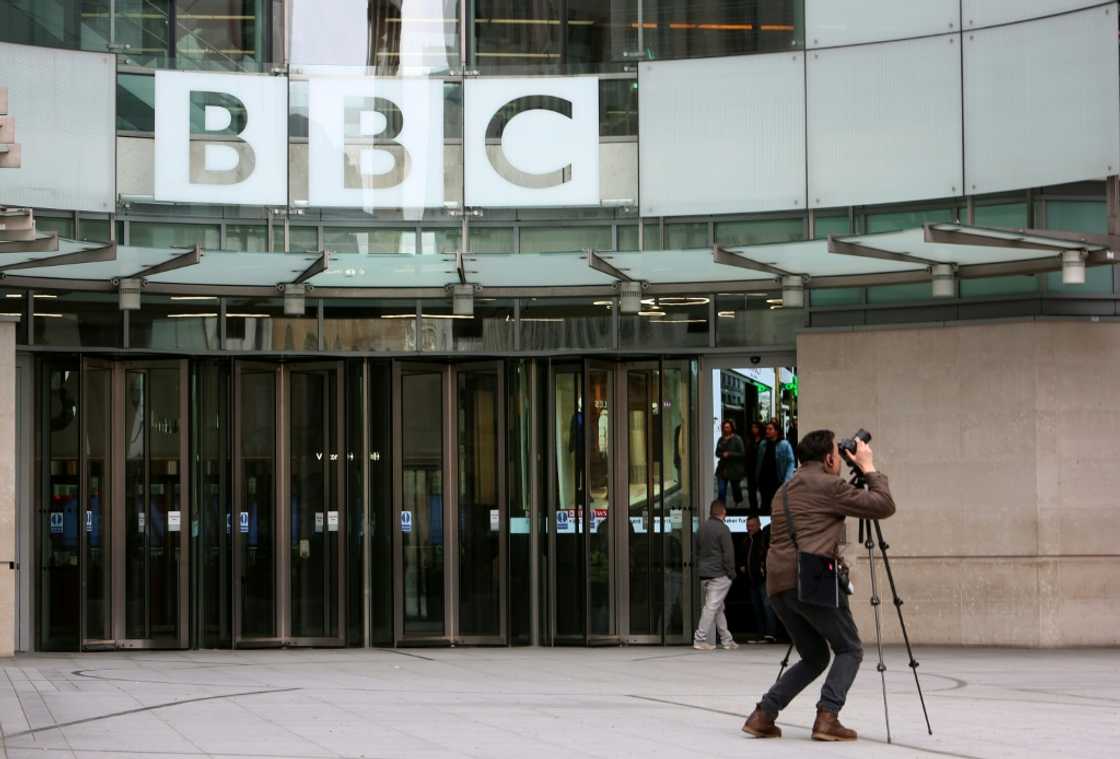
The BBC is set to issue a formal apology on Monday following the uproar over a controversial edit of US President Donald Trump’s speech, which implied he directly provoked the attack on the US Capitol.
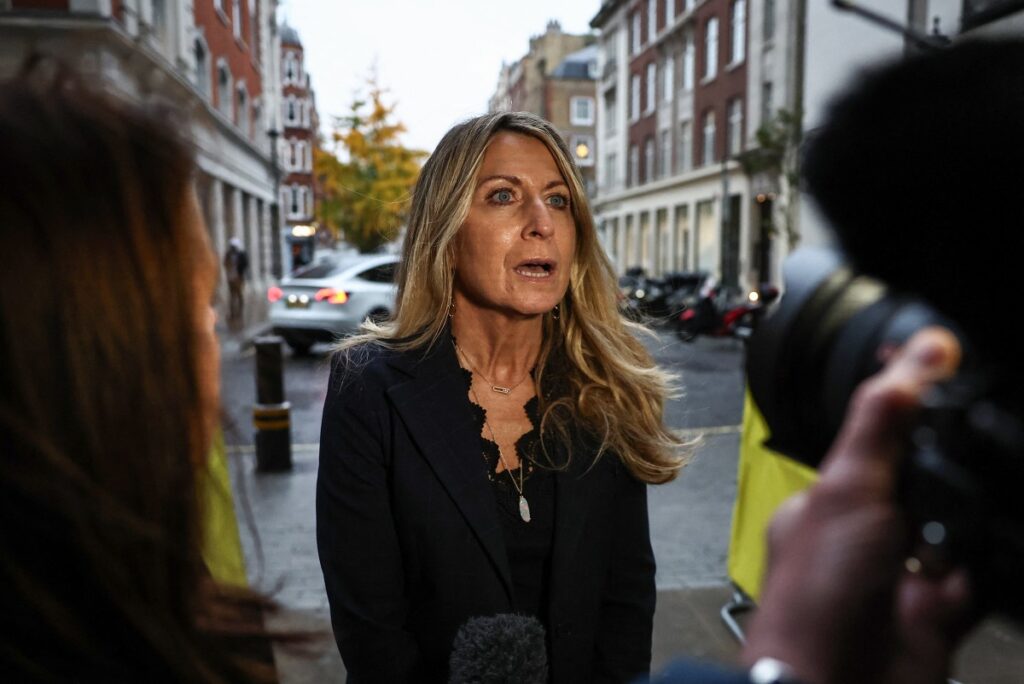
The fallout from the scandal has led to the dramatic resignations of Director General Tim Davie and BBC News Cc.
The broadcaster’s Returning Officer, Samir Shah, who also serves as the BBC chair, described the development as a “sad day for the BBC.” Shah is expected to face lawmakers on Monday, providing explanations to the UK parliament’s culture, media, and sport committee about the broadcaster’s handling of the incident.
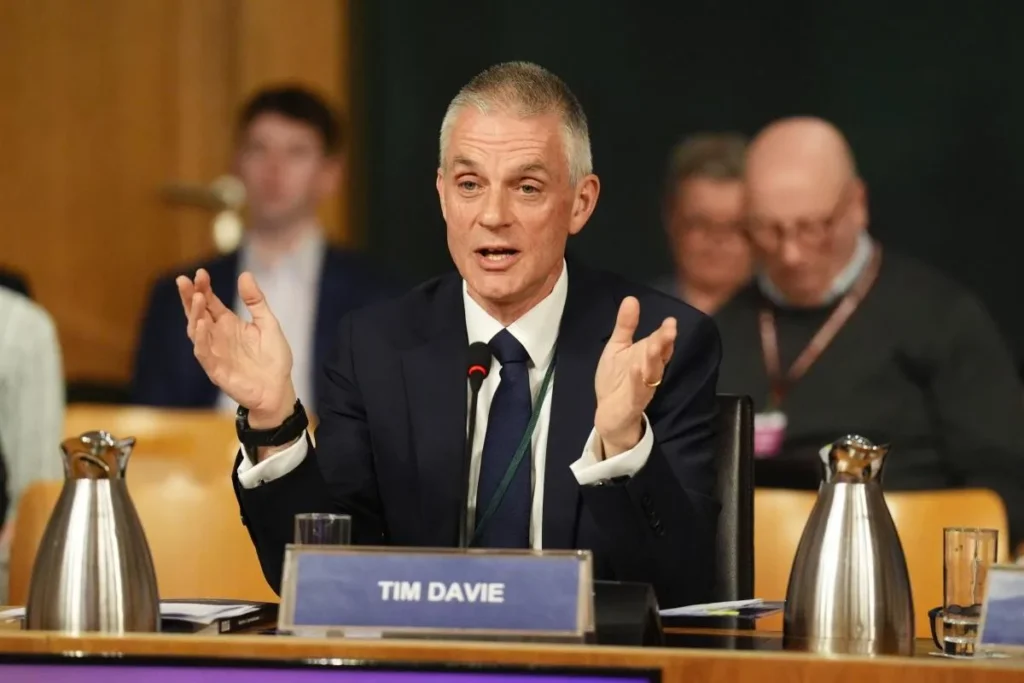
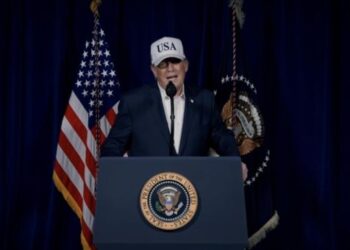
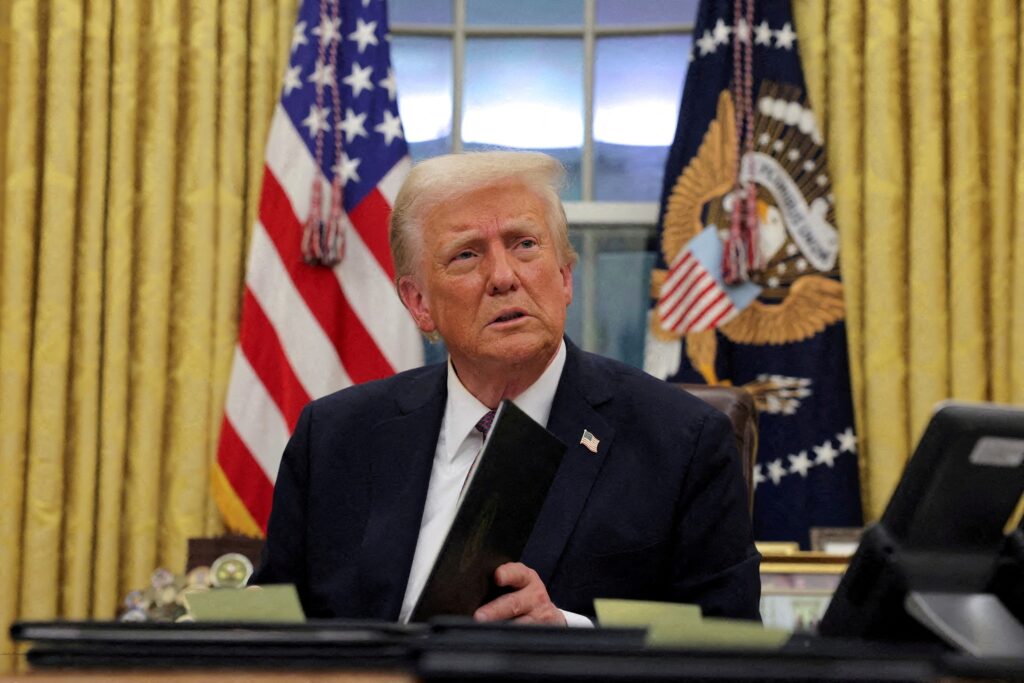
The controversy centers on a Panorama documentary accused of misleading editing. Critics say the program spliced together sections of Trump’s January 6, 2021 speech in a way that falsely suggested he had urged his supporters to “fight like hell” and march to the US Capitol with him. The original, unedited clip revealed that Trump had actually told the crowd they would “cheer on our brave senators and congressmen and women.”
Trump quickly celebrated the resignations, calling BBC journalists “corrupt” and “dishonest.” Meanwhile, Turness defended the organization in her parting note, asserting that “allegations that BBC News is institutionally biased are wrong.”
The state-funded broadcaster, already under scrutiny for its coverage of politically sensitive topics such as the Gaza conflict, has faced increasing accusations of bias from across the political spectrum. The resignations come at a particularly delicate moment, as the UK government prepares to review the BBC’s Royal Charter, which defines its mission, governance, and public service mandate.
The current charter expires in 2027, and discussions over its renewal are expected to be contentious. Davie, in his final statement, expressed hope that his successor would “positively shape” the corporation’s future and ensure it secures the necessary funding for long-term stability.
Culture Secretary Lisa Nandy described the incident as “incredibly serious,” emphasizing that the upcoming charter review would help the BBC “adapt to this new era.”
While some critics have hailed the resignations as overdue accountability for a public institution that has lost credibility, others suggest the leadership shake-up reflects external pressure—particularly from conservative and US-based critics.
Former British Prime Minister Boris Johnson publicly threatened to stop paying his BBC licence fee, while current Conservative Party leader Kemi Badenoch applauded the departures, citing a “catalogue of serious failures.” In contrast, Liberal Democrat leader Ed Davey called on Prime Minister Keir Starmer to tell Trump to “keep his hands off” the BBC, warning that “it’s easy to see why Trump wants to destroy the world’s number one news source. We can’t let him.”
The search for Davie’s replacement could take several months. Despite earning the nickname “Teflon Tim” for his resilience in past controversies, this latest scandal proved too damaging to overcome.
Reports from The Daily Telegraph revealed that internal concerns over editorial impartiality had been flagged in a memo by Michael Prescott, a former external adviser to the BBC’s editorial standards committee. Prescott specifically criticized how the Panorama team had stitched together clips from Trump’s speech, undermining the network’s credibility at a time when its impartiality was already being questioned.
This is not the BBC’s first controversy this year. Earlier in 2025, the organization apologized for “serious flaws” in its documentary “Gaza: How To Survive A Warzone,” after it was found to contain misleading representations. In October, the UK’s media watchdog sanctioned the broadcaster for another “materially misleading” program, which critics said reflected bias in the BBC’s reporting on Israel. Pro-Palestinian demonstrators have since staged protests outside the BBC’s London headquarters, accusing the network of distorted coverage of the Israel-Hamas war.
As the BBC faces renewed scrutiny over its editorial integrity, the leadership crisis marks one of the most turbulent periods in the broadcaster’s recent history—with political, financial, and reputational stakes all hanging in the balance.
What You Should Know
The BBC is undergoing a major leadership shake-up after a Panorama documentary misleadingly edited a Trump speech linked to the January 6 Capitol attack.
The scandal forced Director General Tim Davie and BBC News CEO Deborah Turness to resign amid growing political pressure and accusations of institutional bias.
The controversy comes just as the UK government begins reviewing the BBC’s Royal Charter, which defines its public mission and funding structure.