Bangladesh’s caretaker administration has officially ended the controversial practice of referring to female government officials as “sir,” a holdover from the previous regime of ousted Prime Minister Sheikh Hasina.
The decision, announced Thursday evening by the government’s press wing, is part of a broader effort to dismantle protocols seen as symbolic of Hasina’s authoritarian leadership.
The directive, which had been in place for years under Hasina’s rule, reportedly began with a requirement for public officials to refer to the former prime minister herself as “sir.” Over time, this language extended to other high-ranking women in government, regardless of their position or preference.
The caretaker government described the protocol as an “odd” tradition, disconnected from contemporary norms and respect for gender identities.
“During Sheikh Hasina’s nearly 16-year-long autocratic rule, a directive was reportedly issued requiring public officials to address her as ‘sir’,” the statement read. “This practice extended to other high-ranking women officials, who were—and still are—being called ‘sir’, which is clearly odd.”
The press statement emphasized that the order has now been annulled and that a committee has been formed to reassess other protocol norms introduced during Hasina’s time in power. The review is expected to cover honorifics, administrative titles, and bureaucratic customs that may reflect outdated or authoritarian policies.
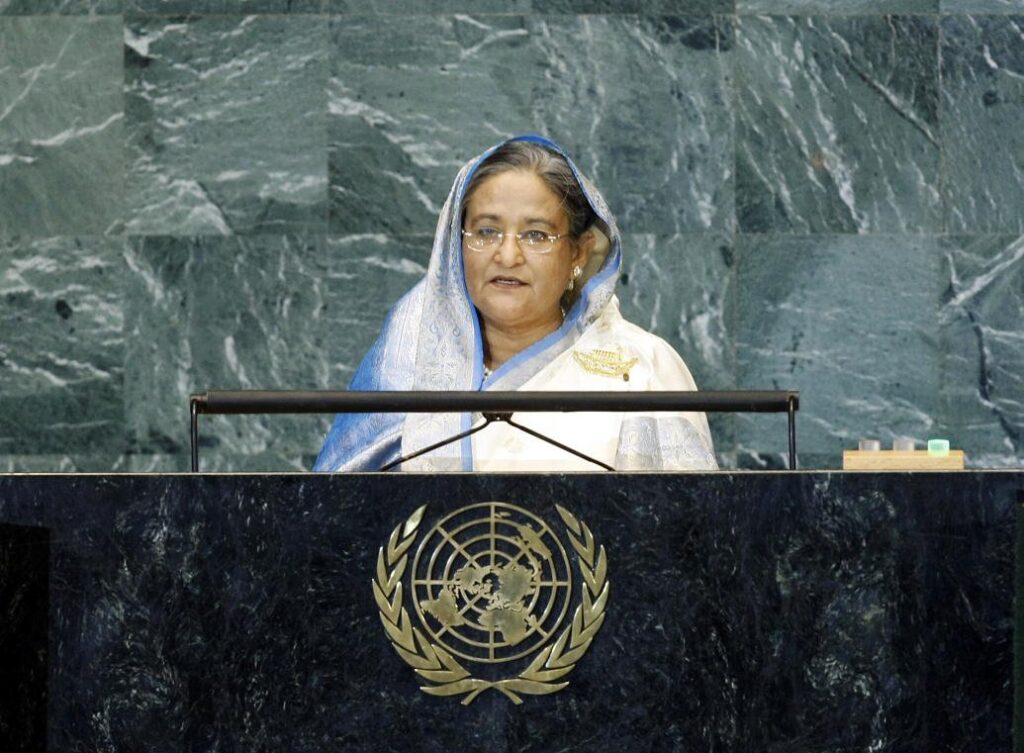
Though the directive marks a clear shift in tone and symbolism from the previous administration, it has not gone without criticism. A senior woman bureaucrat, speaking anonymously to AFP, noted that while the practice may have had unusual origins, many female officers viewed it as a functional, even empowering, form of address.
“The tradition began during Sheikh Hasina’s tenure, but many women officers supported it, finding the address gender-neutral,” she said. The official added that the caretaker government made the decision unilaterally, without consultation with female civil servants.
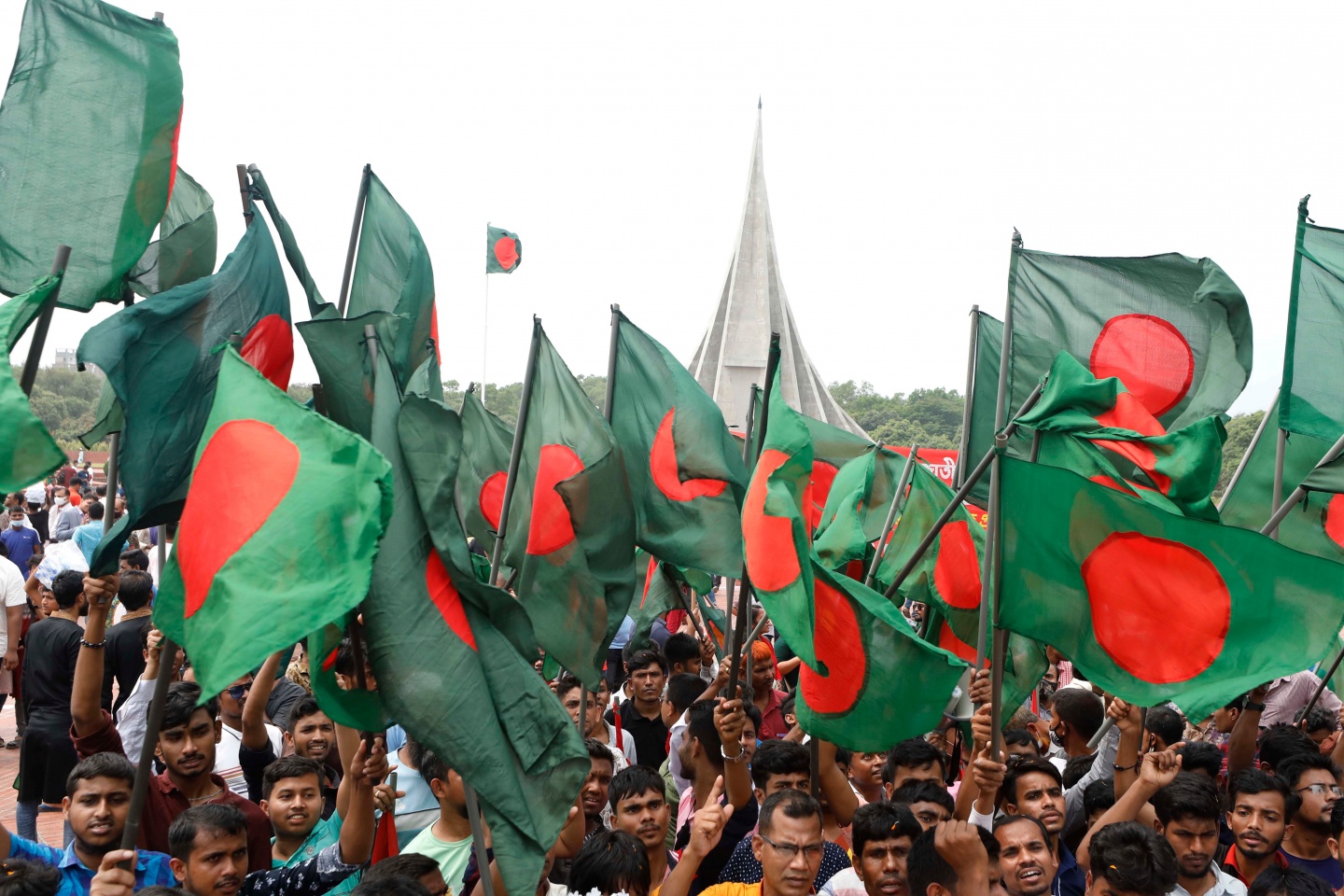
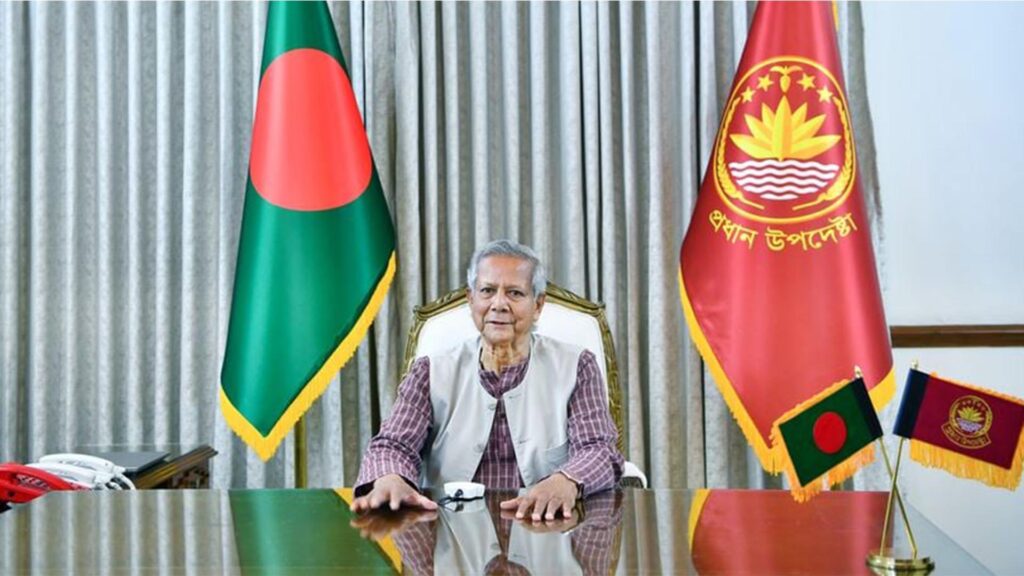
The backdrop to this symbolic shift is the political upheaval that saw Hasina removed from power in late 2024. Her ousting followed a dramatic student-led uprising that swept across Bangladesh, culminating in her flight to neighboring India. Since then, Nobel Peace Prize laureate Muhammad Yunus has led the interim government with a focus on democratic reform and institutional restructuring.
Hasina, now 77, remains in exile and is facing multiple charges before Bangladesh’s International Crimes Tribunal. The charges stem from her alleged involvement in the state’s violent crackdown on protesters during the uprising that led to her ouster.
The United Nations has reported that approximately 1,400 people were killed during the unrest between July and August 2024, placing Hasina under intense international scrutiny. Prosecutors argue that as head of state at the time, she bears overall command responsibility for the violence and deaths.
As the caretaker government continues its efforts to distance itself from the past, the scrapping of the “sir” title is being framed as both a symbolic and administrative move toward gender equity, civilian oversight, and democratic values. Whether these changes will hold in the face of future elections remains to be seen, but for now, Bangladesh is undergoing a thorough protocol reset.
What you should know
The practice of calling women officials “sir” in Bangladesh has been abolished by the caretaker government led by Muhammad Yunus. The move is part of a broader shift away from the controversial legacy of former Prime Minister Sheikh Hasina, who remains in exile and faces charges for her role in a deadly crackdown on protests in 2024.